

 Amara Okoye
Table of Contents
2025-2030 Dietary Guidelines For Americans
Kennedy and Rollins Unveil Historic ‘Real Food’ Reset: The 2025-2030 U.S. Dietary Guidelines Overhaul
2025-2030 Dietary Guidelines for Americans have officially launched, marking a historic shift away from processed foods toward nutrient-dense protein and full-fat dairy.
By: Amara Okoye (@AmaraReports)
The Great Nutrition Reset: Kennedy and Rollins Shatter Decades of Dietary Dogma
In a move that has sent shockwaves through the medical establishment and the aisles of every American grocery store, NewsBurrow Network can confirm that HHS Secretary Robert F. Kennedy Jr. and USDA Secretary Brooke Rollins have officially dismantled the status quo. The newly released 2025-2030 Dietary Guidelines for Americans aren’t just an update—they are a declaration of independence from the corporate-sponsored food pyramid that has defined the American plate for nearly forty years.
A Paradigm Shift: Why the 2025-2030 Guidelines Change Everything
On January 7, 2026, the federal government performed what many are calling a “surgical strike” on traditional nutrition policy. Gone are the days of the carbohydrate-heavy base and the vilification of dietary fats. Instead, the 2025-2030 Dietary Guidelines for Americans introduce a “Real Food” mandate designed to address what Secretary Kennedy describes as a national health emergency. With nearly 90% of U.S. healthcare spending currently directed toward diet-related chronic diseases, the administration has decided that the only way to “Make America Healthy Again” is to return to the ancestral basics of human nutrition.
This reset represents a fundamental departure from the low-fat, high-carb dogmas that dominated previous decades. By prioritizing nutrient-dense whole foods over processed alternatives, the guidelines aim to reverse the tide of obesity, which now affects over 70% of American adults. The shift is not just about what we eat, but how we view food—transitioning from a model of pharmaceutical intervention to one of nutritional prevention. The NewsBurrow Press Team has noted that the document has been slashed from the 164-page 2020 edition to a punchy, 10-page manifesto, ensuring it is readable for the average household, not just the laboratory scientist.
Secretary Kennedy stated that these guidelines “reestablish food—not pharmaceuticals—as the foundation of health.” This rhetoric has ignited a firestorm of debate, as it directly challenges the multi-billion dollar influence of industrial food giants. For the first time in history, the federal government is explicitly telling citizens that their chronic ailments may be solved at the farm and the ranch, not at the pharmacy counter. It is a populist approach to public health that bypasses the traditional gatekeepers of nutrition science who have long been accused of being too close to “Big Food.”
The Inverted Pyramid: Visualizing the New American Plate
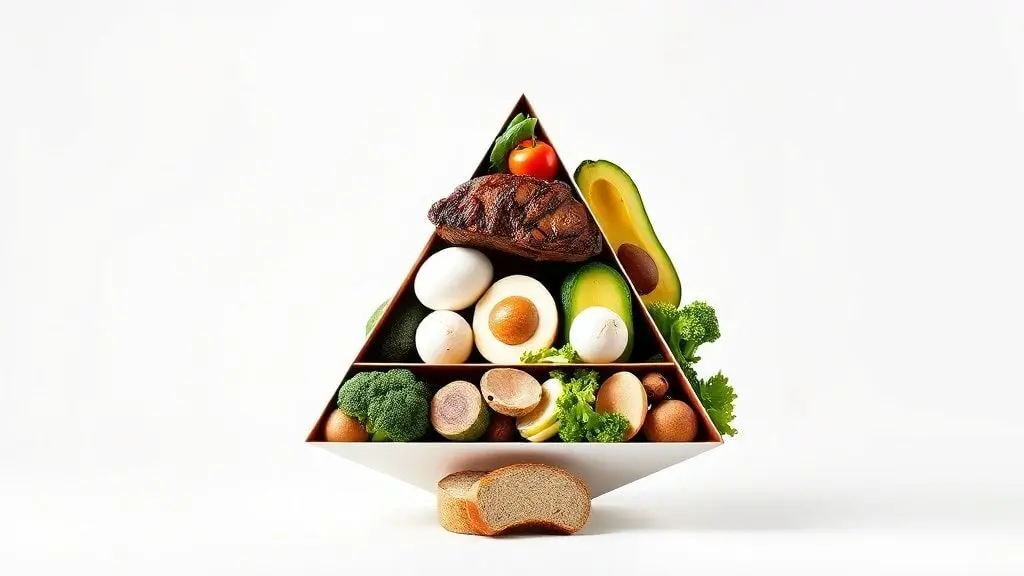
The most striking feature of the 2026 reset is the visual replacement of the “MyPlate” graphic with a bold, redesigned food pyramid. In this new hierarchy, high-quality proteins, full-fat dairy, and healthy fats share the spotlight with vegetables and fruits. Whole grains, once the bedrock of the American diet, have been relegated to a much smaller section at the base. This visual reorientation is intended to simplify complex nutritional choices for the average consumer who has long been confused by shifting scientific consensus.
Critics from institutions like Harvard and Stanford argue that this inversion is a “giant step back,” but the USDA maintains that it reflects the actual metabolic needs of a population struggling with insulin resistance. By placing proteins and fats at the forefront, the guidelines suggest a more satiating diet that naturally reduces the craving for the refined carbohydrates that have long occupied the largest portion of the American diet. This “shock factor” has left traditional dietitians reeling, as the government effectively endorses meat and eggs as the new “superfoods” of the decade.
The table below highlights the dramatic shift in food group prioritization between the previous guidelines and the new 2026 standard observed by the NewsBurrow Press Team:
| Food Group | 2020 Priority (MyPlate) | 2026 Priority (Inverted Pyramid) | Key Philosophical Change |
|---|---|---|---|
| Grains | Primary (6-11 servings) | Minimal (2-4 servings) | Elimination of refined “empty” carbs. |
| Proteins | Secondary (Lean only) | Primary (Animal & Plant) | Targets increased to 1.2g-1.6g/kg. |
| Dairy | Low-fat or Fat-free | Full-fat (Unsweetened) | Focus on satiety and brain health. |
| Fats | Avoid (Saturated fat war) | Essential (Whole food fats) | Endorsement of butter and beef tallow. |
This visual reset is already being integrated into federal education materials. The goal is to make the “Real Food” message inescapable, from elementary school cafeterias to the digital dashboards used by SNAP recipients. It is a visual cue for a cultural revolution in how we fuel our bodies, moving from “counting calories” to “counting nutrients.”
The War on ‘Ultra-Processed’: Defining the New Public Health Enemy
For years, the term “ultra-processed” was a niche academic concept. In the RFK Jr nutrition policy reset, it has become public enemy number one. The guidelines now explicitly warn against “highly processed” products—defined as foods laden with refined carbohydrates, industrial seed oils, and artificial additives. This is the first time federal guidance has so aggressively targeted the middle aisles of the supermarket, where 60% of American calories are currently sourced.
The administration’s stance is clear: if it comes in a box with a dozen unpronounceable ingredients, it isn’t “Real Food.” This shift is personal for Secretary Kennedy, who has long blamed ultra-processed foods (UPFs) for the rise in childhood neurodevelopmental issues and the prediabetes epidemic currently affecting nearly 1 in 3 adolescents. By labeling these products as a driver of a “national health emergency,” the government is setting the stage for future regulatory battles over food labeling and advertising to children.
To visualize the consumption crisis, consider the current caloric makeup of the average American’s diet versus the new 2030 target goals suggested by NewsBurrow.com research:
Current American UPF Consumption: [######################----------] 60%
New 2030 Target Goal:             [####----------------------------] 10%
The 2026 guidelines don’t just recommend avoidance; they provide a blueprint for substitution. Instead of energy drinks, the government suggests water. Instead of packaged snacks, it suggests nuts and seeds. This “clean sweep” approach aims to starve the chronic disease epidemic by removing its primary fuel source: the hyper-palatable, nutrient-poor convenience foods that have dominated the modern lifestyle for two generations.
The Protein Power-Up: Why Recommended Intake Just Doubled
One of the most controversial elements of the protein-centric dietary guidelines 2026 is the significant increase in recommended protein intake. The new standard suggests that adults consume between 1.2 and 1.6 grams of protein per kilogram of body weight—nearly double the previous minimum of 0.8 grams. The rationale provided by the NewsBurrow Press Team is that protein is the most essential macronutrient for metabolic health, muscle preservation, and long-term satiety.
This “Protein Power-Up” emphasizes high-quality sources, specifically encouraging animal-based proteins like red meat, poultry, seafood, and eggs. While plant-based proteins like beans and lentils are still included, they have been moved from the “vegetable” category into the “protein” category to reflect their primary nutritional role. This change has drawn both praise from the American ranching community and intense skepticism from environmental and vegan advocacy groups.
Secretary Rollins has been vocal about how this realignment supports American farmers and ranchers. By encouraging more protein on every plate, the USDA is effectively subsidizing the production of “real food” rather than the refined grain commodities that have been the staple of federal farm policy since the 1970s. It is a rare moment where nutritional advice and economic nationalism align in a way that prioritizes the local ranch over the international grain conglomerate.
Full-Fat Dairy and the Return of Whole Milk to Schools
In a move that has moms across America cheering and school nutritionists scrambling, the 2026 guidelines have ended the federal war on whole milk. The 2025-2030 Dietary Guidelines for Americans now elevate full-fat dairy as a primary recommendation, citing its role in brain development and its superior satiety. This is a direct reversal of the policy that has restricted school lunches to skim or 1% milk since 2010.
The “Whole Milk for Healthy Kids Act” is the legislative muscle behind this change. By exempting liquid milk from the 10% saturated fat cap in school meals, the government is ensuring that children have access to nutrient-dense dairy without penalizing the rest of their daily intake. Secretary Rollins highlighted that full-fat dairy, provided it contains no added sugars, is an essential tool for “putting our families and children first.”
The impact on the dairy industry is expected to be massive. After years of declining demand for whole milk, farmers are preparing for a resurgence. The guidelines argue that the fat in dairy helps with the absorption of fat-soluble vitamins like A and D, making it a more complete nutritional package than the “blue water” versions previously promoted. However, NewsBurrow.com notes that the guidelines have received pushback for not adequately addressing the 75% of the global population that is lactose intolerant, raising questions about equity in nutrition guidance.
Ending the War on Healthy Fats: The Butter and Tallow Revival
Perhaps the most culturally disruptive change in the real food nutrition policy USA is the rehabilitation of animal fats. For the first time in nearly half a century, butter and beef tallow are being mentioned alongside olive oil as preferred cooking fats. The guidelines encourage Americans to incorporate healthy fats from whole foods—including meats, eggs, and avocados—while shunning industrial “seed oils” like soybean and canola oil.
This shift is based on the emerging view that naturally occurring fats in whole foods are metabolically superior to chemically refined oils produced through high-heat industrial processes. By focusing on the *source* of the fat rather than just the calorie count, the 2026 reset seeks to stabilize the American microbiome and reduce systemic inflammation. The message from the NewsBurrow Press Team is simple: if your great-grandmother didn’t cook with it, you probably shouldn’t either.
To help consumers navigate this “richness revival,” the USDA has provided a list of recommended fats versus those to be reduced:
- PRIORITIZE: Butter, Beef Tallow, Olive Oil, Avocado Oil, Ghee, Lard.
- REDUCE: Soybean Oil, Corn Oil, Canola Oil, Margarine, Cottonseed Oil.
- AVOID: Partially Hydrogenated Oils (Trans Fats) and Artificial Substitutes.
The “shock factor” here is the direct contradiction of decades of American Heart Association (AHA) advice. While the AHA still warns that saturated fats drive cardiovascular disease, the 2026 guidelines suggest that when fat comes from “real food,” it is not the primary enemy. This debate is far from over, but the federal government has officially picked a side, and that side is surprisingly savory.
The 10-Gram Rule: Cracking Down on the Sugar Epidemic
If the guidelines are “pro-fat” and “pro-protein,” they are undeniably “anti-sugar.” The Make America Healthy Again diet plan introduces the most restrictive sugar policy in U.S. history. The new “10-Gram Rule” suggests that no single meal should contain more than 10 grams of added sugars—roughly two teaspoons. For context, a single can of soda often contains nearly 40 grams, effectively making many popular beverages “off-limits” under the new federal standard.
The guidelines also take a hard line against non-nutritive sweeteners, including Xylitol and artificial sweeteners like aspartame. The administration argues that no amount of added sugar or artificial sweetener is considered part of a healthy diet, especially for infants and children. This “Zero Sugar” rule for early childhood is being hailed as a major win for pediatric health, potentially preventing the early onset of prediabetes that now disqualifies many young Americans from military service.
This crackdown is expected to trigger a massive reformulation wave in the food industry. Manufacturers will have to find ways to reduce sugar without relying on the chemical substitutes that the new guidelines also discourage. For consumers, it means a significant adjustment in palate, as the “Standard American Diet” has historically been one of the sweetest in the world. The NewsBurrow Network anticipates that this will be the most difficult pill for the food industry to swallow.
From Pharmacy to Farm: Reclaiming Food as Medicine
The philosophical heart of the 2026 U.S. food pyramid overhaul is the “Food is Medicine” movement. Secretary Kennedy has been clear that the current health crisis cannot be solved with a pill for every ill. By refocusing federal policy on “Real Food,” the administration is attempting to lower the disqualification rate of American youth for military service—a statistic that currently stands as a national security risk due to obesity and poor metabolic health.
This approach involves a realignment of the entire food system. Secretary Rollins announced that the USDA will rewrite the “stocking” rule for the 250,000 merchants who accept SNAP benefits. Stores will be expected to tighten eligibility for sugar-sweetened beverages and candy while increasing the availability of fresh protein and vegetables. This is a direct attempt to ensure that “real food” is not just for the wealthy, but for every American neighborhood.
The “shock factor” here is the potential for government-mandated inventory shifts in convenience stores. Critics fear overreach, while advocates worry about the affordability of these nutrient-dense foods. However, the NewsBurrow Press Team points out that the administration is betting on long-term savings: by spending more on real food now, we spend trillions less on chronic disease treatments later. It is a story of returning to our roots, but with the full force of 2026 federal policy behind it.
The Final Verdict: A New Chapter for American Vitality
As we move further into 2026, the 2025-2030 Dietary Guidelines for Americans will begin to influence everything from the back of cereal boxes to the trays in nursing homes and veteran hospitals. While the scientific community remains divided on the nuances of saturated fat and protein levels, there is an undeniable public appetite for the “Real Food” message. Americans are tired of chronic disease and are looking for a way out that doesn’t involve more prescriptions.
The Kennedy-Rollins reset is more than a list of “eat this, not that.” It is a cultural signal that the “American Way” of eating is being radically redefined. Whether you are a fitness enthusiast, a concerned parent, or just someone trying to navigate the grocery store on a budget, these guidelines will impact your life. The question remains: can we truly “Make America Healthy Again” one plate at a time? Only time—and our collective waistlines—will tell.
We want to hear from you. Do you think the return to full-fat dairy and animal fats is a long-overdue common-sense move, or a dangerous rejection of modern heart science? Is the “10-Gram Rule” for sugar too restrictive, or exactly what we need to save the next generation? Join the conversation below and share your thoughts on the new food pyramid. Your plate, your health, your choice.
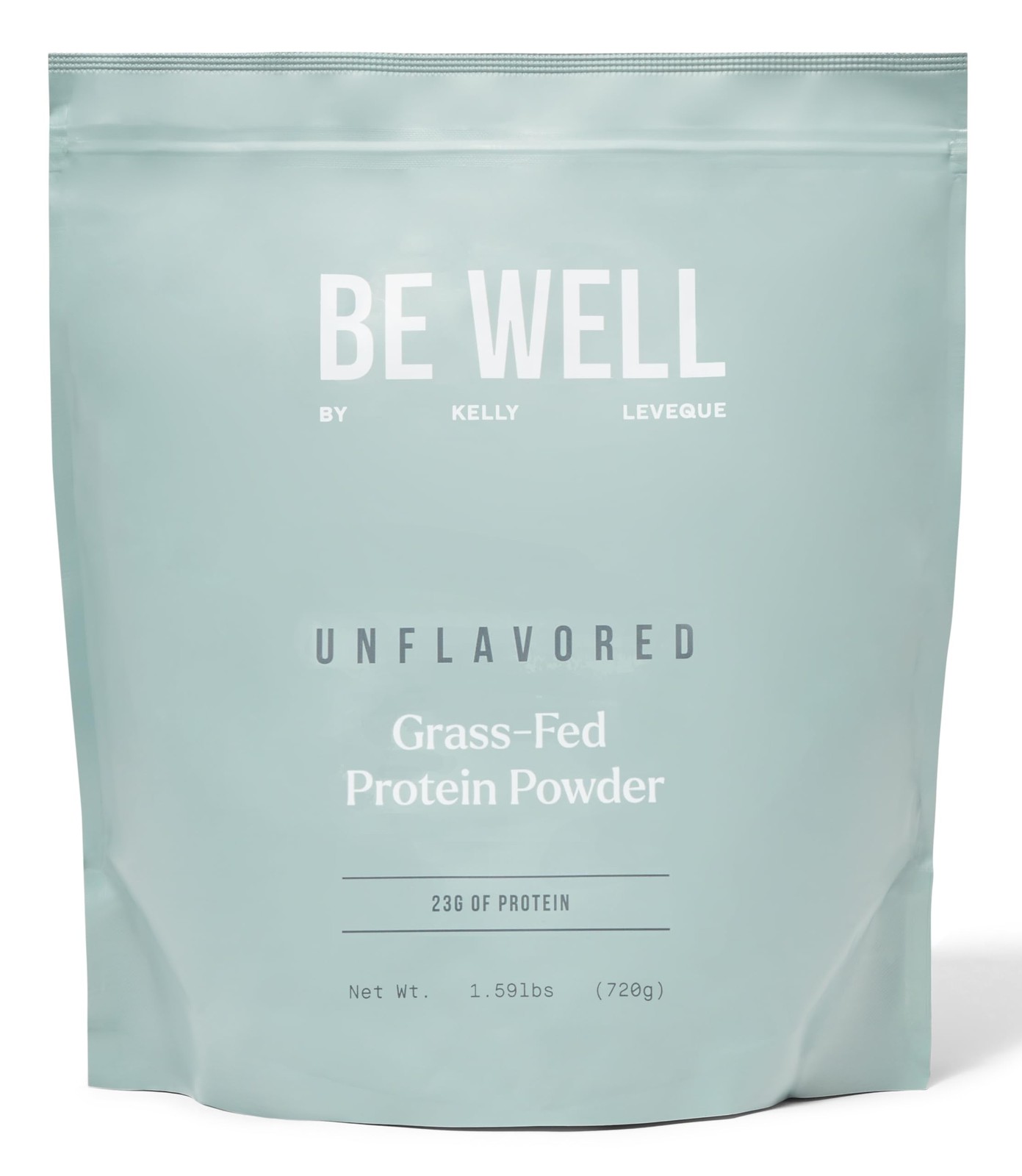
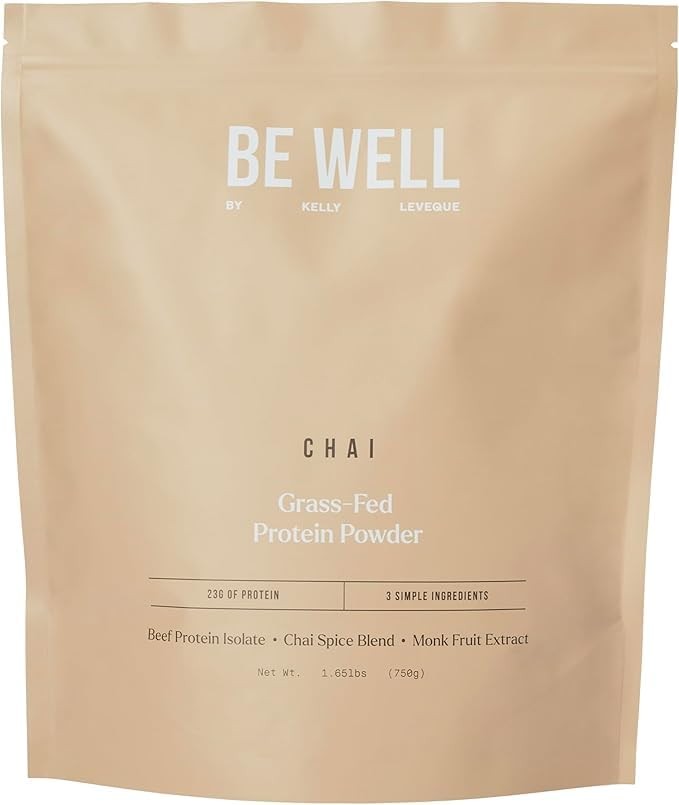
With the new federal mandate nearly doubling recommended protein targets, many Americans are finding it a logistical challenge to hit their daily goals through traditional meals alone. Reaching the suggested 1.2 to 1.6 grams of protein per kilogram of body weight requires more than just a larger dinner portion; it demands a strategic approach to supplementation that aligns with the “Real Food” philosophy. This shift has ignited a surge in interest for high-quality, animal-based supplements that can bridge the nutritional gap without introducing the inflammatory additives or hidden sugars often found in conventional meal replacements.
For those looking to adhere to the 2025-2030 Dietary Guidelines for Americans while maintaining a busy lifestyle, grass-fed beef protein has emerged as the gold standard. Unlike highly processed plant proteins or dairy-based powders that can cause digestive distress and bloating, pure beef isolate provides the complete amino acid profile of a steak in a highly bioavailable, easily digestible form. It perfectly captures the administration’s goal of returning to nutrient-dense, ancestral sources of vitality, offering a clean label that avoids the industrial seed oils and artificial sweeteners now blacklisted by federal health experts.
As we navigate this historic reset in national nutrition policy, staying informed and properly fueled is more important than ever. We invite you to join the NewsBurrow community by subscribing to our newsletter for the latest health breakthroughs and policy updates that affect your kitchen table. If you have already begun adjusting your daily protein intake to meet the new standards, we want to hear from you—leave a comment below and share your experience with the “Real Food” revolution. Explore our curated selection of top-tier protein solutions to find the perfect match for your metabolic health journey.
Shop Products On Amazon
Shop Products on Ebay



Trending Similar Stories in the News
Kennedy, Rollins Unveil Historic Reset of U.S. Nutrition Policy, Put Real Food Back at Center of Health USDA (.gov)...
WHAT THEY ARE SAYING: Trump Administration Puts Real Food First in Dietary Guidelines The White House (.gov)...
Trending Videos of 2025-2030 Dietary Guidelines For Americans



GIPHY App Key not set. Please check settings