

 Chief Editor
Table of Contents
Missouri Church Arson
9+ Years! Missouri Church Arsonist Sentenced
Missouri Church Arson resulted in a nine-year prison sentence and millions in restitution for the perpetrator.
9+ Years! Missouri Church Arsonist Sentenced: A Community Reels
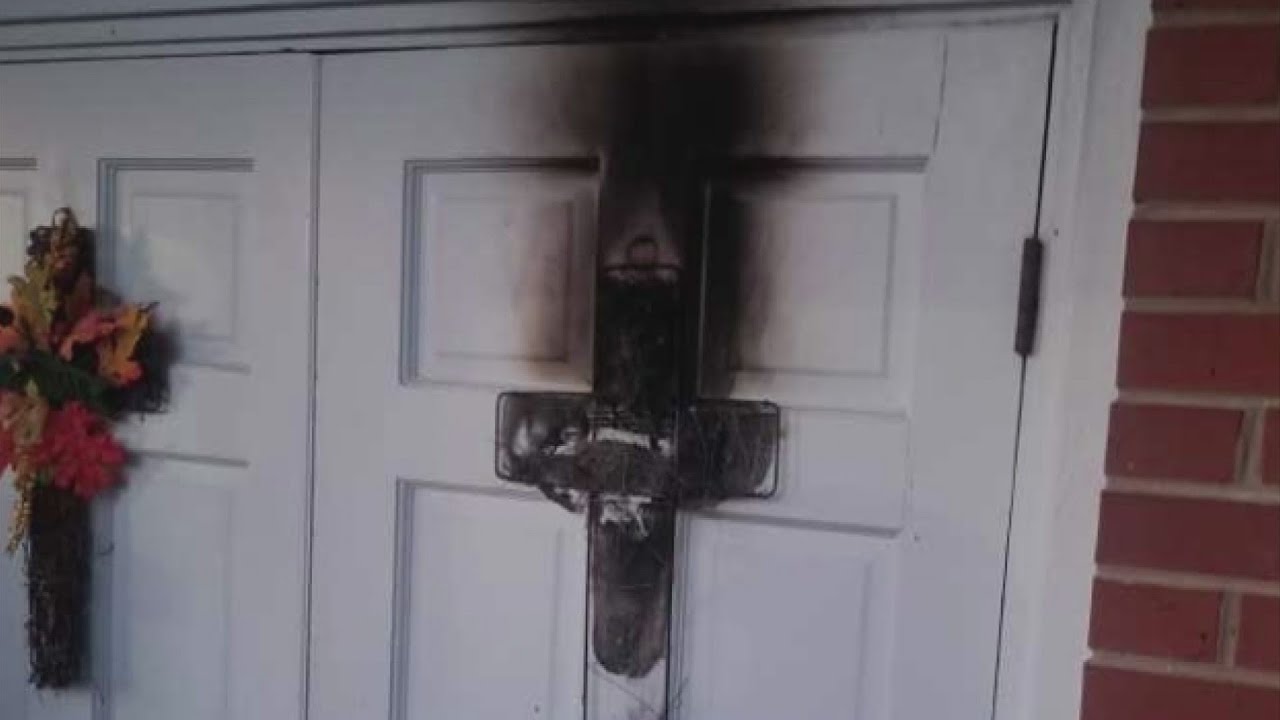
The quiet town of Cape Girardeau, Missouri, is grappling with the aftermath of a devastating act of arson that targeted a place of worship. Christopher Scott Pritchard, a 49-year-old man, has been sentenced to over nine years in federal prison for setting fire to a Church of Jesus Christ of Latter-day Saints. The sentence, handed down by U.S. District Judge Matthew T. Schelp, also includes an order for Pritchard to pay nearly $7 million in restitution. This landmark case brings to the forefront the vulnerability of religious institutions and the severe consequences faced by those who commit such heinous crimes.
The impact of this Missouri Church Arson extends far beyond the physical damage. It has shaken the faith community, disrupted religious activities, and left a scar on the collective psyche of the town. As Pritchard begins his lengthy prison term, the community now faces the arduous task of rebuilding, both physically and emotionally, while grappling with questions of motive and prevention.
Cape Girardeau Church Arson: The Night the Church Burned
April 18, 2021, is a date that will forever be etched in the memory of Cape Girardeau residents. On that fateful night, flames engulfed the Church of Jesus Christ of Latter-day Saints, casting an eerie glow against the night sky. The fire, intentionally set, caused extensive damage to the building, leaving behind a scene of devastation and despair. First responders raced to the scene, battling the blaze and working to contain the damage, but the destruction was already done.
News of the Cape Girardeau church fire spread quickly, sending shockwaves through the community. Residents gathered, their faces etched with disbelief and sorrow, as they watched their beloved place of worship succumb to the inferno. The fire not only destroyed a building but also shattered a sense of security and sanctity that the church had long provided.
The immediate aftermath saw an outpouring of support from neighboring communities and various faith organizations. People offered prayers, donations, and practical assistance, demonstrating the resilience and solidarity that often emerge in the face of tragedy. Yet, amidst the unity, questions lingered: Who would commit such an act, and why?
Christopher Pritchard: From Threat to Arsonist
Christopher Scott Pritchard was hardly an unknown figure in the narrative leading up to the Missouri Church Arson sentencing. Just two days before the fire, Pritchard had made explicit threats against a church bishop, ominously declaring his intent to “burn the church down.” These threats, reportedly stemming from a dispute with the bishop, foreshadowed the catastrophic events that would soon unfold. Authorities were soon on the lookout for the suspect.
Following the fire, law enforcement swiftly apprehended Pritchard approximately 1.5 miles from the burning church. His capture yielded critical evidence: a backpack containing over $1,000 worth of stolen church property, including a laptop and an assortment of tools. Adding to the incriminating circumstances, officers noted that Pritchard reeked of smoke, further solidifying his connection to the arson.
The discovery of 21 apples among the stolen items added a bizarre twist to the narrative, sparking curiosity and speculation about Pritchard’s state of mind and motivations. Was this a calculated act of malice, or the result of a disturbed individual acting out of desperation? These are questions that would later be explored in the legal proceedings.
Inside the Courtroom: The Arson Trial and Sentencing
The courtroom became the stage for a somber chapter in the story of the Missouri Church Arson. In December 2024, Christopher Pritchard stood before the court and pleaded guilty to one felony count of arson and another felony count related to arson of a structure used in interstate commerce, specifically under the Church Arson Prevention Act. This admission of guilt set the stage for his sentencing, which would ultimately determine the consequences of his actions.
On May 21, 2025, U.S. District Judge Matthew T. Schelp presided over the sentencing hearing, carefully considering the gravity of the crime and its impact on the community. The prosecution presented evidence of Pritchard’s pre-arson threats, the extensive damage caused by the fire, and the emotional toll on church members. The defense, meanwhile, offered arguments for leniency, perhaps highlighting Pritchard’s personal circumstances or mental state.
Ultimately, Judge Schelp delivered a sentence that reflected the seriousness of the offense. Pritchard was ordered to serve nine years and three months (111 months) in federal prison, a term that exceeded the five-year mandatory minimum for the interstate commerce-related arson charge. In addition, he was ordered to pay nearly $7 million in restitution to the church, a sum intended to compensate for the extensive damages caused by the fire.
Nine Years and $7 Million: Understanding the Sentence
The severity of Pritchard’s sentence underscores the gravity with which the justice system views acts of arson against religious institutions. The nine-year prison term, exceeding the mandatory minimum, sends a clear message that such crimes will not be tolerated. The court considered the premeditation involved, as evidenced by Pritchard’s prior threats, as well as the significant damage and disruption caused by the fire.
The nearly $7 million restitution order further emphasizes the financial consequences of Pritchard’s actions. This sum is intended to cover the costs of rebuilding the church, repairing the damage, and replacing the lost property. It represents a significant financial burden on Pritchard, who will likely spend years, if not decades, working to repay this debt.
Moreover, the restitution order serves as a reminder of the extensive financial resources required to recover from acts of arson. Religious organizations often rely on donations and community support to operate, and a devastating fire can cripple their ability to serve their members and fulfill their mission.
A Community’s Loss: The Impact on the Church of Jesus Christ of Latter-day Saints
The Missouri Church Arson has left an indelible mark on the Church of Jesus Christ of Latter-day Saints in Cape Girardeau. Beyond the physical destruction, the fire has had a profound emotional and spiritual impact on the congregation. The church served as more than just a building; it was a place of worship, a center of community, and a source of solace and support.
The disruption of religious activities has been particularly challenging for church members. Regular services, gatherings, and events were forced to relocate, disrupting routines and creating a sense of displacement. The loss of familiar spaces and cherished objects has added to the emotional toll, leaving many feeling a deep sense of grief.
However, amidst the loss and disruption, the church community has demonstrated remarkable resilience and unity. Members have come together to support one another, offering comfort, prayers, and practical assistance. They have also begun the long and arduous process of rebuilding, determined to restore their place of worship and reclaim their sense of community.
Church Arson Prevention Act: Federal Protection for Religious Institutions
The prosecution of Christopher Pritchard under the Church Arson Prevention Act highlights the federal government’s commitment to protecting religious institutions from violence and hate crimes. Enacted in 1996, this law makes it a federal crime to intentionally deface, damage, or destroy any religious real property because of the race, ethnicity, or religious beliefs of any person associated with that property.
The Church Arson Prevention Act reflects a recognition that attacks on religious properties are not just isolated incidents of vandalism or arson; they are acts of intimidation and hate that can have a chilling effect on entire communities. By making these crimes a federal offense, the government sends a strong message that such behavior will not be tolerated and that perpetrators will be held accountable.
In the case of the Missouri Church Arson, the application of the Church Arson Prevention Act underscores the federal government’s determination to protect the rights of religious communities to worship freely and without fear of violence or intimidation. It also provides a framework for investigating and prosecuting these crimes, ensuring that justice is served and that affected communities receive the support they need to recover.
The Broader Trend: Attacks on Religious Properties in America
The Missouri Church Arson is not an isolated incident, but rather part of a disturbing trend of attacks on religious properties across the United States. From vandalism and theft to arson and even violence, religious institutions have become increasingly vulnerable to a variety of threats. These attacks can be motivated by hate, bigotry, or simply a desire to cause chaos and disruption.
Data from the FBI shows that hate crimes targeting religious institutions have been on the rise in recent years. These crimes can have a devastating impact on affected communities, creating a climate of fear and distrust. They can also lead to significant financial losses, as religious organizations struggle to repair damaged properties and implement enhanced security measures.
In response to this growing threat, law enforcement agencies, community organizations, and religious leaders are working together to develop strategies for preventing and responding to attacks on religious properties. These strategies include increasing security, improving communication, and fostering greater understanding and tolerance among different faith communities.
Rebuilding and Recovery: The Church’s Path Forward
For the Church of Jesus Christ of Latter-day Saints in Cape Girardeau, the path to rebuilding and recovery is a long and challenging one. The physical damage caused by the fire is extensive, requiring significant financial resources and construction expertise to repair. The emotional and spiritual wounds, however, may take even longer to heal.
The church community has launched a fundraising campaign to help cover the costs of rebuilding. Members have organized events, solicited donations, and sought grants from various organizations. They have also received support from other faith communities, who have offered their time, resources, and prayers.
In addition to the financial and logistical challenges, the church must also address the emotional needs of its members. Counseling services, support groups, and spiritual guidance are being offered to help those who are struggling to cope with the trauma of the arson. The church is also working to strengthen its sense of community, fostering a welcoming and inclusive environment for all.
Arson Motives: Unpacking the ‘Why’ Behind the Crime
One of the most perplexing aspects of the Missouri Church Arson is the question of motive. Why would Christopher Pritchard target this particular church? What drove him to commit such a destructive and hateful act? While Pritchard’s pre-arson threats suggest a personal grievance, the full story remains shrouded in mystery.
The reported dispute with the church bishop may offer some clues, but it is unclear what exactly transpired between the two men. Was it a disagreement over church policy? A personal conflict? Or something else entirely? Without a statement from Pritchard, it is difficult to know for sure.
The absence of a public apology or expression of remorse from Pritchard further complicates the picture. His silence leaves the community to grapple with unanswered questions and lingering doubts. It also raises concerns about his potential for future violence and the need for ongoing monitoring and supervision.
Lessons Learned: Strengthening Security and Community Bonds
The Missouri Church Arson serves as a stark reminder of the vulnerability of religious institutions and the importance of taking proactive measures to protect them. Strengthening security is essential, but it is not enough. Building stronger community bonds and fostering greater understanding and tolerance are also crucial.
Religious organizations should consider implementing a range of security measures, including installing surveillance cameras, improving lighting, and training staff and volunteers to recognize and respond to potential threats. They should also work closely with law enforcement agencies to develop emergency plans and protocols.
However, security measures alone cannot prevent all attacks. Building stronger relationships with neighbors, community organizations, and other faith communities can help to create a more welcoming and inclusive environment. Fostering greater understanding and tolerance can help to break down barriers and reduce the risk of hate crimes and violence.
Conclusion: A Community United in Resilience
The Missouri Church Arson was a devastating event that shook the community of Cape Girardeau to its core. However, amidst the loss and destruction, the community has demonstrated remarkable resilience and unity. The Church of Jesus Christ of Latter-day Saints is committed to rebuilding its place of worship and restoring its sense of community. Law enforcement agencies are working to prevent future attacks on religious properties, and community organizations are fostering greater understanding and tolerance.
While the scars of the arson may never fully disappear, the community is determined to move forward, stronger and more united than ever before. The sentencing of Christopher Pritchard brings a measure of justice, but the real work of healing and rebuilding lies ahead. As the community embarks on this journey, it can draw strength from its shared values, its unwavering faith, and its commitment to creating a safe and welcoming environment for all.
The story of the Missouri Church Arson is a reminder that religious freedom is a precious right that must be protected. It is also a reminder that hate and violence have no place in our society. By working together, we can build a world where all people can worship freely and without fear.
What are your thoughts on the sentencing? Share your opinions and join the conversation below.
In the wake of the Missouri Church Arson, communities across the nation are re-evaluating the safety and security of their religious institutions. The vulnerability exposed by this crime has sparked a critical conversation about proactive measures to protect places of worship and ensure the safety of congregants. As we reflect on the lessons learned from this tragic event, it’s essential to consider actionable steps that can be taken to fortify our churches and safeguard our communities.
Given the increasing concerns about the security of religious institutions, many are now exploring options to enhance their protective measures. From advanced surveillance technology to comprehensive security protocols, a range of solutions are available to help deter potential threats and respond effectively in the event of an emergency. Want to explore how you can bolster your church’s defenses? Discover a variety of church security systems and solutions designed to provide peace of mind and protect what matters most. Your insights and experiences are invaluable – share your thoughts in the comments below and subscribe to the NewsBurrow newsletter for more updates on community safety and security.
Shop Products On Amazon
Shop Products on Ebay


Trending Similar Stories in the News
A man who burned down a Missouri church has been sentenced to more than 9 years in prison ABC News...



GIPHY App Key not set. Please check settings