

 Ryan Chen
Table of Contents
Ai Optimism And Us Stock Market
7 Tech Giants Fueling the 2026 Market Surge: Is This an AI Bubble or the New Normal?
AI optimism and US stock market trends continue to redefine investor expectations as mega-cap tech giants propel major indices toward record-breaking heights.
7 Tech Giants Fueling the 2026 Market Surge: Is This an AI Bubble or the New Normal?
By Ryan Chen | @RChenNews
The Billion-Dollar Pulse: How AI Optimism and US Stock Market Trends Collided in 2026
The air in the New York Stock Exchange floor this morning didn’t just feel electric; it felt digital. As the opening bell rang, the screens flashed a familiar green hue, driven not by traditional manufacturing or retail, but by the invisible hand of artificial intelligence. We are witnessing a historic synchronization where AI optimism and US stock market trajectories have become one and the same.
For those of us tracking the pulse of the Silicon Valley-Wall Street corridor, 2026 has become the year the “experiment” ended and the “infrastructure” began. Investors are no longer betting on what AI *might* do; they are betting on the companies that own the picks, the shovels, and the very ground the digital gold is buried in. This isn’t just a rally; it is a fundamental re-weighting of global value.
However, beneath the surface of record-breaking highs, a tension is brewing. Is the market’s heart beating too fast? While indices soar, seasoned analysts are whispering about the “velocity of expectations.” When the entire world’s financial health is tethered to a handful of server farms, the stakes for the average retail investor have never been higher—or more precarious.
The Heavy Lifters: Decoding the Magnificent Seven’s 2026 Dominance
If the S&P 500 were a ship, the “Magnificent Seven” are no longer just the sails; they are the nuclear engines. In the first quarter of 2026 alone, companies like Microsoft, NVIDIA, and Alphabet have accounted for an eye-watering percentage of the index’s total gains. This concentration of power is unprecedented, turning the broader market into a high-stakes mirror of Big Tech’s quarterly earnings reports.
NVIDIA continues to defy gravity, with its H200 and Blackwell-series chips becoming more valuable than some nation-states’ GDPs. Meanwhile, Microsoft’s integration of autonomous agents across its enterprise suite has turned “productivity” into a high-margin subscription service. We aren’t just seeing growth; we are seeing a total capture of the technological stack by a select few.
Critics argue that this “tech giants driving S&P 500” narrative creates a dangerous illusion of a healthy economy. If you strip away the top seven performers, the “Other 493” companies in the index are often found to be treading water. This divergence is the “shock factor” that many mainstream outlets are ignoring—the reality that your 401k might be a tech hedge fund in disguise.
2026 Market Weight Distribution (Estimated)
| Stock Grouping | Share of S&P 500 Gains | Average P/E Ratio | 2026 Sentiment |
|---|---|---|---|
| Magnificent Seven | 68% | 42.5x | Hyper-Bullish |
| Top 50 (Non-Tech) | 15% | 19.2x | Cautious |
| Remaining 443 | 17% | 16.5x | Stagnant |
The Half-Trillion Dollar Bet: Mapping the AI Capex Explosion
Follow the money, and it leads to a very expensive pile of silicon. Goldman Sachs recently dropped a bombshell report suggesting that AI companies may invest more than $500 billion in 2026 alone. This isn’t just “research and development”; it is the largest construction project in human history, consisting of massive data centers and energy grids designed to feed the insatiable hunger of Large Language Models.
This massive “capital expenditure” (capex) is the ultimate vote of confidence—or the ultimate gamble. Tech giants are spending money today that they don’t expect to see a full return on for years. For the markets, this creates a secondary boom in sectors like power generation and specialized cooling systems, creating a “halo effect” that stretches far beyond the software world.
But here is the twist: what happens if the software doesn’t get smart enough, fast enough? The market is currently pricing in a world where AI solves everything from cancer to supply chain bottlenecks. If these half-trillion-dollar investments don’t yield “God-like AI” by 2027, the write-downs could be catastrophic enough to shake the foundations of the global banking system.
The Great Debate: Is This a Dot-Com Echo or a Structural Shift?
The “AI bubble vs boom” debate has reached a fever pitch in the 2026 session. Skeptics point to the 1999 tech crash, noting that the “irrational exuberance” of the past looks eerily similar to today’s AI-adjacent rallies. They argue that when grandma starts asking which AI chipmaker to buy, it’s time to head for the exits. The term “bubble” is no longer a warning; it’s a label used by those who feel they’ve missed the boat.
However, the “New Normal” camp has a potent counter-argument: cash flow. Unlike the dot-com era, where companies with zero revenue were valued in the billions, today’s AI leaders are among the most profitable entities to ever exist. Microsoft and Meta aren’t just selling dreams; they are printing billions in real-world currency every single month. This is a boom built on a bedrock of gold, not just eyeballs and clicks.
The real danger may not be a sudden crash, but a “slow bleed” of enthusiasm. If AI becomes as mundane as the microwave—useful but not revolutionary—the “AI optimism” that currently inflates these stocks could evaporate, leaving investors with high-priced shares in companies that are simply “efficient” rather than “disruptive.”
AI Market Sentiment Trend (2024-2026)Level of Hype
  ^
  |          /--\
  |         /    \      (2026 Current Peak)
  |        /      * <--- You are here
  |  /----/
  | /
  |/
  +------------------------------> Time
    2024      2025      2026
The Data Gap Dilemma: Flying Blind Through a Government Shutdown
In a bizarre twist of fate, as machines get smarter, our visibility into the human economy is getting murkier. Periodic government data pauses and shutdowns in 2026 have left a “blackout” in official labor and inflation statistics. This has forced the market to rely on “private-sector signals”—essentially, the earnings reports of the tech giants—as the only reliable barometer for economic health.
This creates a dangerous feedback loop. When the Fed can’t see the official inflation numbers, they look to market sentiment. When the market is blinded, it clings to the biggest, safest-looking tech stocks. This “AI optimism” is, in some ways, a survival mechanism for a market that has lost its traditional navigation tools. We are flying a Boeing 747 through a storm using nothing but a smartphone app.
For the retail investor, this means the risk of “flying into a mountain” is high. Without official macro data, a sudden shift in corporate guidance from a company like Amazon can cause a 500-point swing in the Dow. This volatility is the hidden tax on 2026’s prosperity, and it requires a level of stomach that many newcomers simply don’t possess.
The Hardware Moat: Why Chips are the New Oil
If you want to understand the 2026 market surge, stop looking at code and start looking at copper and silicon. The “Hardware Moat” has become the defining competitive advantage of this decade. Companies that secured long-term contracts for advanced GPUs in 2024 are the ones winning today. In this environment, “investment trends in artificial intelligence” have shifted toward physical infrastructure and energy security.
- GPU Sovereignty: Nations and corporations are stockpiling chips like they used to stockpile oil.
- Energy Arbitrage: The cost of running an AI model is now largely the cost of the electricity used to cool it.
- The “Foundry” Bottleneck: With only a few facilities capable of making 2nm chips, the entire global economy has a single point of failure.
This physical reality is the ultimate check on the AI boom. You can’t “code” your way out of a power shortage or a semiconductor supply chain break. If a geopolitical event disrupts the flow of chips from Taiwan, the “AI optimism” will vanish overnight, replaced by a cold, hard realization that the digital world is entirely dependent on a few square miles of physical geography.
Portfolio Survival: How to Play the AI Surge Without Getting Burned
So, how does the average person navigate this? The first rule of 2026 is acknowledging concentration risk. Most passive index funds are now so heavily weighted toward tech that “diversification” is an illusion. To truly protect yourself, you must look for the “AI-enabled” companies—those in boring sectors like agriculture, logistics, and manufacturing that are using AI to slash costs, rather than just selling AI tools to others.
The “Magnificent Seven stock performance” of 2026 has been a blessing for many, but it is also a siren song. Smart money is starting to move into the “Beta” of AI—the companies that build the power plants and the cooling systems. These are the “picks and shovels” of the second wave. They might not be as glamorous as a generative video startup, but they have physical assets and long-term contracts that provide a safety net during volatility.
Remember: in every gold rush, the people who made the most money weren’t the miners; they were the ones selling the jeans and the tents. In 2026, the “jeans” are the energy and the cooling systems. If you’re only holding the “gold” (the software), you’re vulnerable to the next shift in sentiment. Diversify into the infrastructure that makes the intelligence possible.
The 2027 Horizon: From Infrastructure to Reality
As we look toward the end of 2026, the narrative is shifting from “What can AI build?” to “What did AI actually do?” The market’s patience is not infinite. By 2027, the hundreds of billions in capex will need to show up as improved margins in non-tech sectors. If a grocery chain isn’t more profitable because of AI, or if a law firm isn’t more efficient, the valuation premiums for the tech giants will begin to erode.
The “New Normal” is a world where AI is invisible—a background utility like electricity. We are currently in the “installation phase,” which is always characterized by high drama, massive spending, and intense speculation. The “deployment phase,” where the real wealth is created across the whole of society, is still a few years away. The winners of 2026 are those who can survive the volatility of the installation to reap the rewards of the deployment.
Are you a believer in the boom, or are you waiting for the bubble to pop? The answer likely depends on your time horizon. For the long-term investor, the 2026 surge is just the opening chapter of a much longer story. For the day trader, it’s a minefield of “extreme overbought” signals and macro uncertainty. One thing is certain: the US stock market will never look the same again.
What’s your take? Is your portfolio ready for an AI-led future, or are you hedging for a correction? Join the conversation in the comments below and let us know your strategy for the 2026 surge!
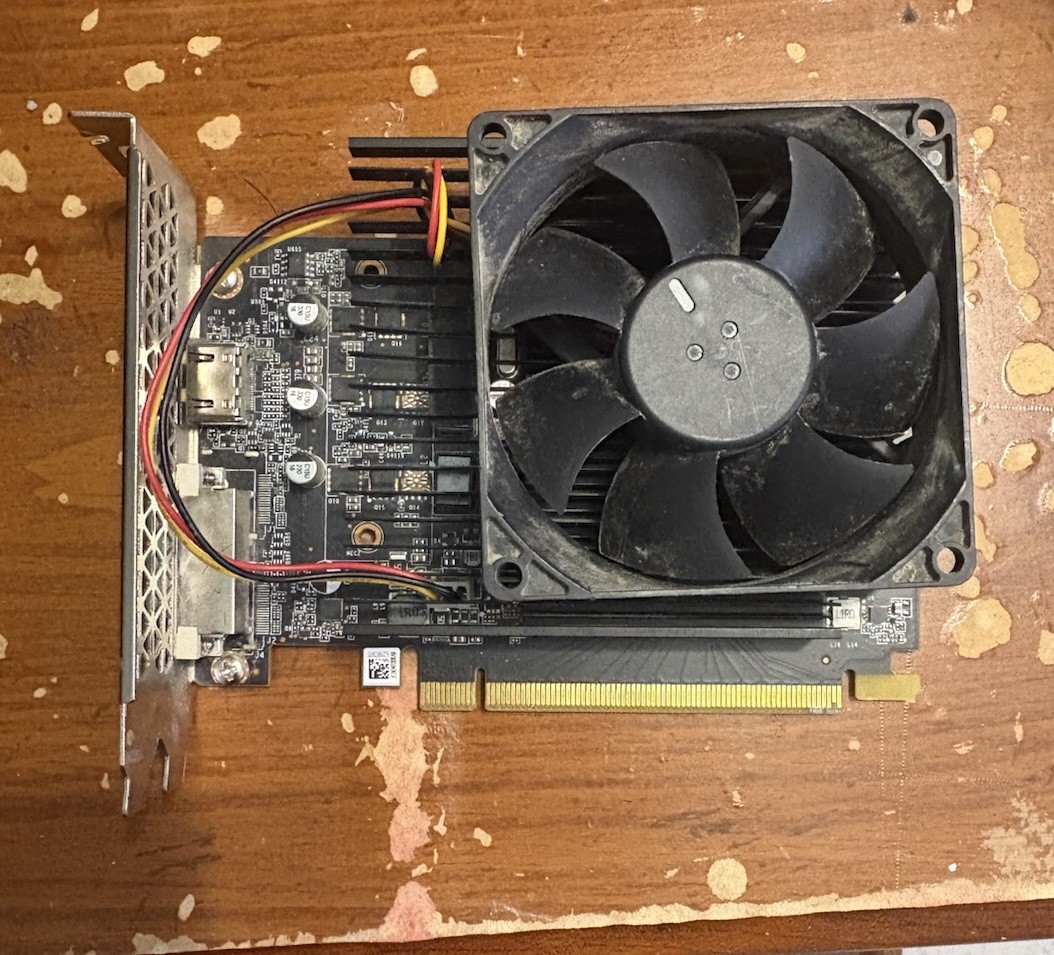
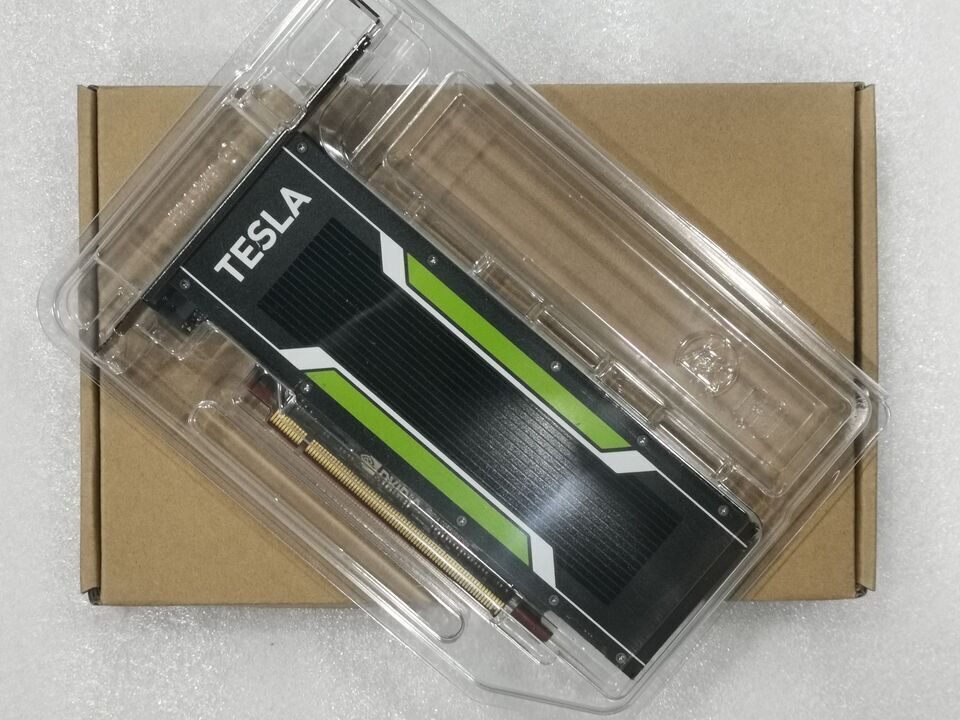
As the “Hardware Moat” continues to dictate which firms lead the 2026 rally, the physical reality of AI has become the market’s ultimate arbiter. While software innovations capture the headlines, the true power rests in the high-performance silicon that makes deep learning possible. For investors and tech enthusiasts alike, owning the underlying infrastructure is no longer just a luxury—it is a strategic necessity for staying ahead of the curve.
Whether you are looking to build a local workstation to test proprietary models or seeking to understand the sheer engineering scale that fuels the Magnificent Seven, having the right hardware at your fingertips is a game-changer. The performance gap between standard components and enterprise-grade architecture is widening, and positioning yourself on the right side of that divide can redefine your technical capabilities. High-end processing power remains the most valuable currency in this new digital economy.
To help you navigate this high-stakes environment, we have curated a selection of the world’s most powerful hardware currently driving the AI revolution. Explore these top-tier components to see how you can harness the same processing speed that is currently reshaping global indices. Don’t forget to join the conversation in our community forums and subscribe to the NewsBurrow newsletter for daily insights into the technology and stocks moving the world today.
Shop Products On Amazon
Shop Products on Ebay





Trending Similar Stories in the News
Indian shares log weekly gains as earnings optimism fuels banks Reuters...
Stock Market Today, Feb. 9: Oracle Climbs on AI Optimism Despite Software Sector Weakness The Motley Fool...
Trending Videos of Ai Optimism And Us Stock Market



GIPHY App Key not set. Please check settings