

 Ryan Chen
Table of Contents
Aurora Driverless Trucking Network
Aurora Triples Driverless Trucking Network: 1,000-Mile Autonomous Routes Hits the Sun Belt
Aurora driverless trucking network expansion marks a historic shift in global logistics as the company triples its commercial routes to dominate the U.S. Sun Belt.
The 1,000-Mile Ghost Run: Aurora Shatters Trucking Limits Across the Sun Belt
By Ryan Chen (@RChenNews) | Tech and Innovation Reporter
The asphalt stretching between Phoenix and Fort Worth has long been a grueling test of human endurance, a 1,000-mile ribbon of desert and highway that consumes a human driver’s legal clock. But in a move that signals the “dawn of superhuman logistics,” Aurora Innovation, Inc. has officially pulled the safety observer out of the equation. This week, the tech giant announced it has tripled its driverless trucking network, expanding to 10 commercial routes that effectively redraw the map of American commerce.
This isn’t just another pilot program or a tech demo in a parking lot. Aurora’s autonomous fleet is now hauling real freight for heavyweights like FedEx, Uber Freight, and Hirschbach Motor Lines. By leveraging its fourth major software release since April 2025, Aurora has unlocked a contiguous 2,000-mile corridor across the Sun Belt—a region housing over half of the U.S. population. The industry is watching with bated breath as the “robot relay race” shifts from experimental to essential.
Breaking the 15-Hour Barrier: Logistics Without a Pulse
In the world of traditional trucking, the Federal Motor Carrier Safety Administration (FMCSA) is the ultimate timekeeper. A human driver is capped at 11 hours of driving within a 14-hour window, followed by a mandatory 10-hour rest period. A 1,000-mile journey from Arizona to Texas typically takes a human operator nearly two days to complete when factoring in these legal safety breaks. Aurora’s “Aurora Driver” doesn’t need to sleep, eat, or stretch its legs.
The result is a logistical “cheat code.” Aurora’s autonomous rigs are completing the Phoenix-to-Fort Worth run in roughly 15 hours—cutting transit times nearly in half. This “superhuman” asset utilization means a single truck can now do the work of two, operating 20 hours a day with only brief pauses for fuel and inspections. For carriers operating on razor-thin margins, this shift is the difference between surviving and dominating the market.
| Metric | Human-Operated (Single) | Aurora Driverless (2026) |
|---|---|---|
| Driving Limit | 11 Hours / Day | ~20 Hours / Day |
| Phoenix to Fort Worth Time | ~28–32 Hours (inc. rest) | ~15 Hours |
| Mandatory Rest Breaks | 10 Hours Daily | Zero |
| Asset Utilization | Low (45%) | High (85%+) |
The Sun Belt Blueprint: Why the South is Going Driverless First
The choice of the Sun Belt isn’t accidental. It is a masterstroke of geographic and regulatory strategy. From the dry, predictable stretches of I-10 in New Mexico to the high-volume freight hubs of Texas, Aurora has built a fortress of autonomy where the climate is generally favorable and the state-level regulations are the most welcoming in the nation. This region serves as the perfect laboratory for a system that thrives on consistency.
However, the expansion to 10 routes—including new lanes like Dallas to Laredo and El Paso to Phoenix—introduces fresh challenges. To conquer the Sun Belt, Aurora had to prove its AI could handle more than just sunshine. The 2026 software stack was specifically “hardened” to manage the unpredictable: sudden dust storms in the Arizona desert, heavy fog in East Texas, and the brutal crosswinds that plague high-profile trailers on open plains. By conquering these “edge cases,” Aurora is proving that its ghost trucks are more resilient than the skeptics ever imagined.
The “Verifiable AI” Breakthrough: Rapid Mapping for the Modern Era
One of the biggest bottlenecks in autonomous deployment has historically been the “mapping problem.” Traditionally, creating a high-definition map for a self-driving truck required months of manual data collection and painstaking human labeling. Aurora has flipped the script with what they call “Verifiable AI.” This system allows the company to map a new route or a specific customer endpoint after just a single manual drive.
- Automated Semantic Labeling: Cloud-based algorithms now identify lane markers, signs, and curbs with 90% less human intervention.
- Direct-to-Customer Lanes: Aurora can now navigate the “last mile” into specific warehouses, moving beyond simple hub-to-hub operations.
- Dynamic Updating: The maps evolve in real-time; if a construction zone appears on I-20, the entire fleet knows within minutes.
This rapid iteration is what allowed Aurora to triple its network in such a short window. By the time you finish reading this, their AI has likely simulated another million miles of “what-if” scenarios, preparing for the next route expansion into states like Nevada and Louisiana later this year.
Uptime Evolution: Engineering a Truck That Never Quits
Last year, inclement weather constrained autonomous operations in Texas roughly 40% of the time. For a business model built on reliability, that was unacceptable. Aurora’s latest hardware-software fusion, integrated into the International LT Series platform, features a proprietary sensor-cleaning system that is nothing short of a mechanical marvel. High-pressure air and fluid nozzles blast camera and LiDAR lenses clear in milliseconds, allowing the truck to “see” through mud and spray.
AURORA UPTIME GROWTH (Projected 2024-2026)
|
|          _ [2026: 95% Uptime - All-Weather Release]
|        /
|      /|    / [2025: 60% Uptime - Early Texas Pilot]|  /
|/__________________
2024    2025    2026
This “step-change” in uptime is the silver bullet for the logistics industry. Carriers aren’t just buying a tech product; they are buying guaranteed capacity. As of February 2026, Aurora reports that its commercial truck capacity is fully committed through Q3, showing that the market’s hunger for autonomous freight is far outstripping the current supply of 200 planned trucks.
Safety vs. Scrutiny: The 250,000-Mile Perfect Record
The “shock factor” for the general public remains the sight of an 80,000-pound Class 8 tractor-trailer barreling down the highway with an empty driver’s seat. It is a vision that sparks either awe or terror. To combat the latter, Aurora has leaned heavily into transparency. As of January 2026, the company has logged over 250,000 driverless miles on public roads with zero at-fault collisions. This isn’t just luck; it’s the result of over four million virtual tests conducted before every software release.
Critics, however, point out that as the network scales to 200+ trucks and moves into more complex urban environments, the probability of “interesting and unexpected” roadway encounters increases. The conversation is shifting from “can they do it?” to “how will they handle the first inevitable incident?” Aurora’s response is a “redundant everything” approach—dual steering, dual braking, and dual compute systems designed to bring the truck to a “safe stop” if any single component fails.
The Great Shift: What Happens to the Human Driver?
As a reporter for NewsBurrow, I’ve spoken to drivers who fear this technology is the “extinction event” once predicted in 2016. However, the data suggests a more nuanced transition. The “driver shortage” has morphed into a “retention crisis.” Long-haul trucking is grueling, keeping parents away from families for weeks at a time. Aurora’s model focuses on these “middle-mile” long-haul stretches, potentially leaving the complex, human-centric “first and last mile” work to local drivers.
- Hub-to-Hub Transformation: Autonomous trucks handle the boring interstate miles.
- Local Empowerment: Human drivers focus on navigating tight city streets and loading docks, allowing them to sleep in their own beds every night.
- New Job Classes: A massive need for autonomous vehicle technicians, remote “Command Center” specialists, and terminal managers is already emerging.
Conclusion: The Dawn of the $800 Billion Disruption
Aurora Innovation is no longer a “self-driving startup”; it is a transportation-as-a-service powerhouse. With plans to achieve positive free cash flow by 2028 and a fleet expected to reach tens of thousands of trucks by 2027, the era of “superhuman logistics” is officially here. The Sun Belt expansion is just the first domino. As the technology proves itself on the 1,000-mile run from Phoenix to Fort Worth, the traditional trucking industry must adapt or be left in the dust of a driverless rig.
What do you think about sharing the highway with an 80,000-pound robot? Is the increased safety worth the displacement of traditional roles, or are we moving too fast into an automated future? Join the conversation in the comments below and let us know your thoughts on the driverless revolution.
The remarkable strides made by the Aurora driverless trucking network underscore a transformative shift in how we perceive road safety and technological precision. At the heart of this “superhuman” capability is a sophisticated fusion of hardware and software, where light-based detection systems act as the primary eyes for these massive autonomous rigs. As Aurora pushes the boundaries of the Sun Belt with its 1,000-mile runs, the underlying technology—once reserved for high-budget aerospace projects—is becoming increasingly accessible to innovators, engineers, and tech enthusiasts alike.
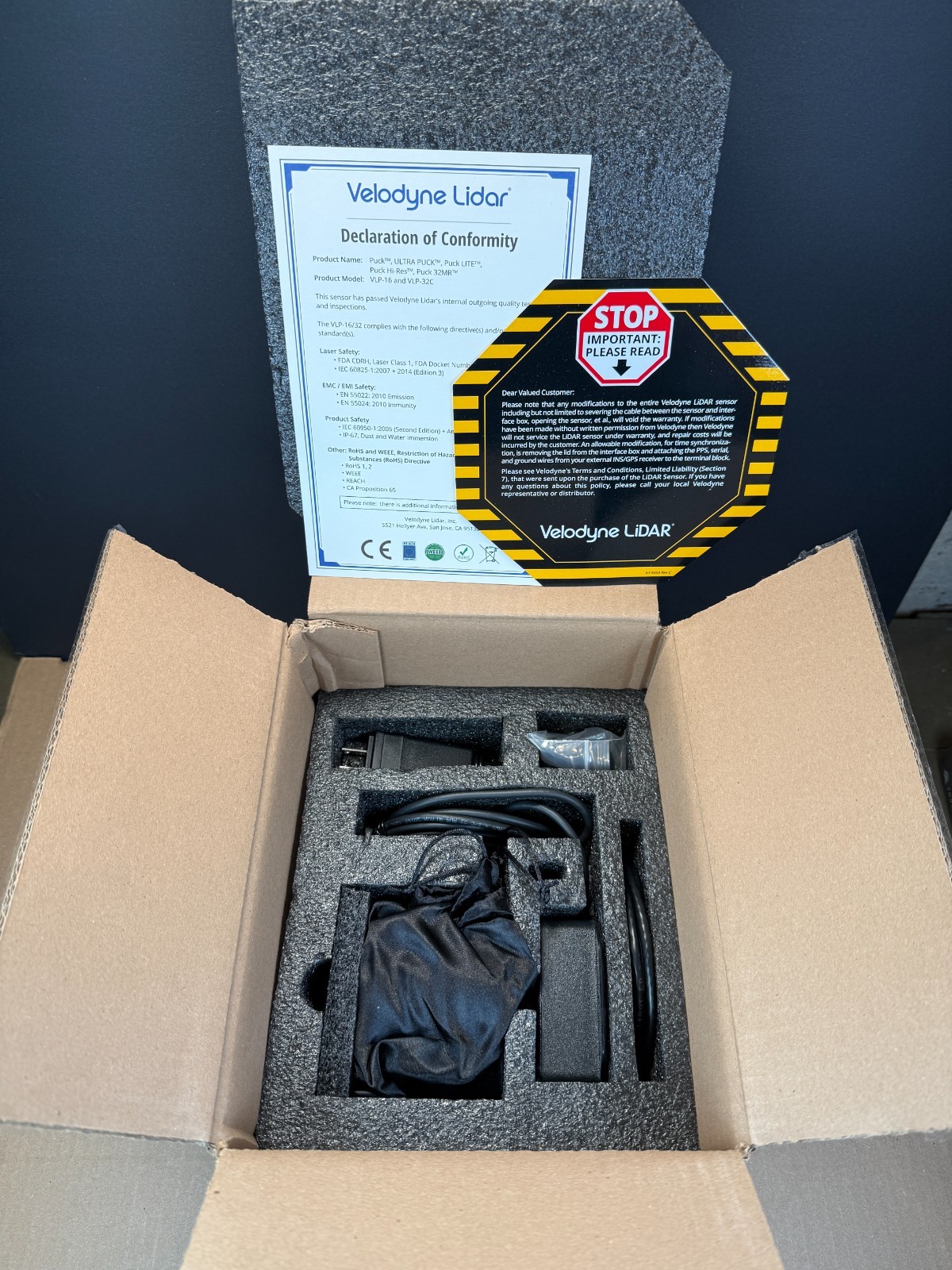
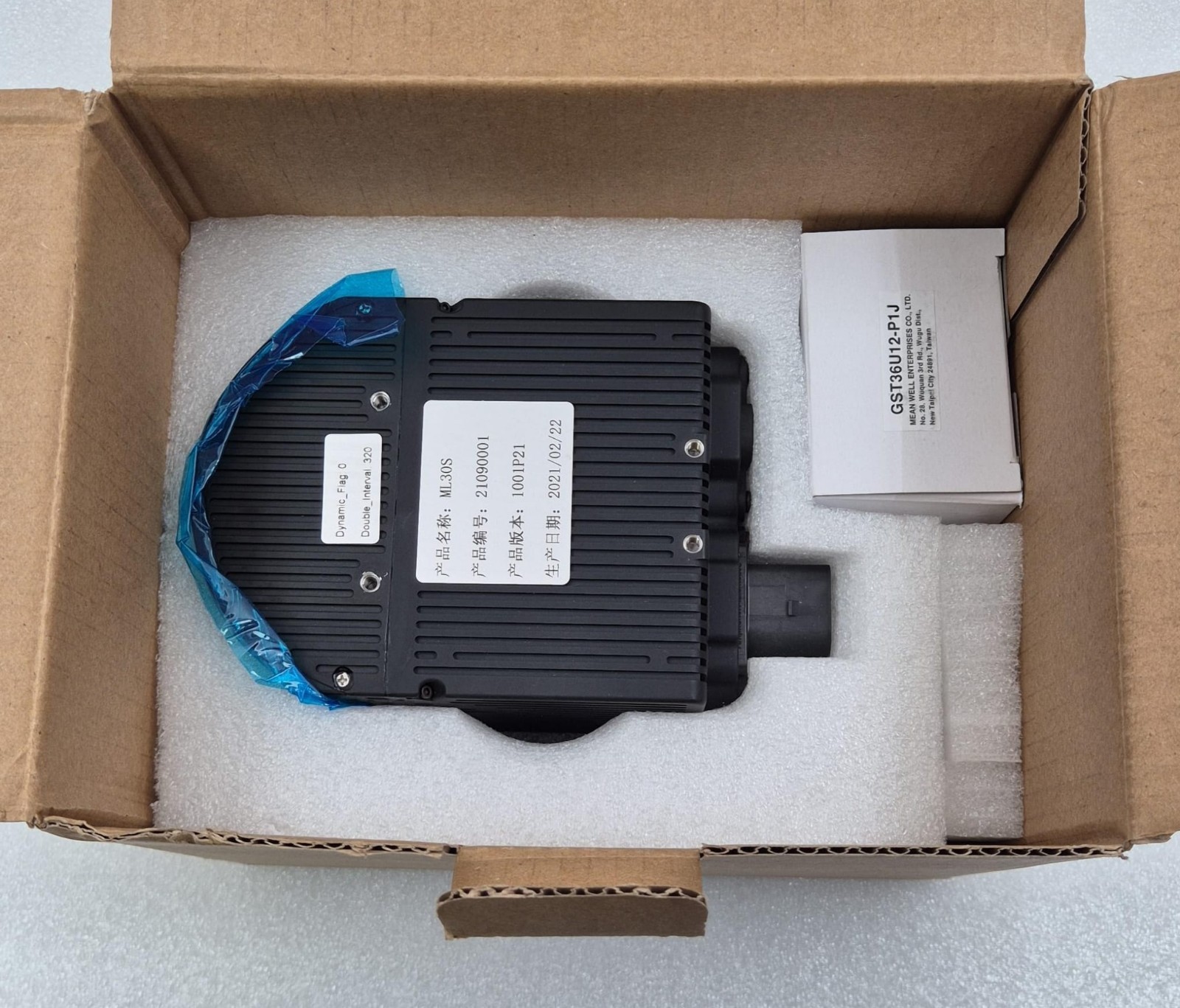
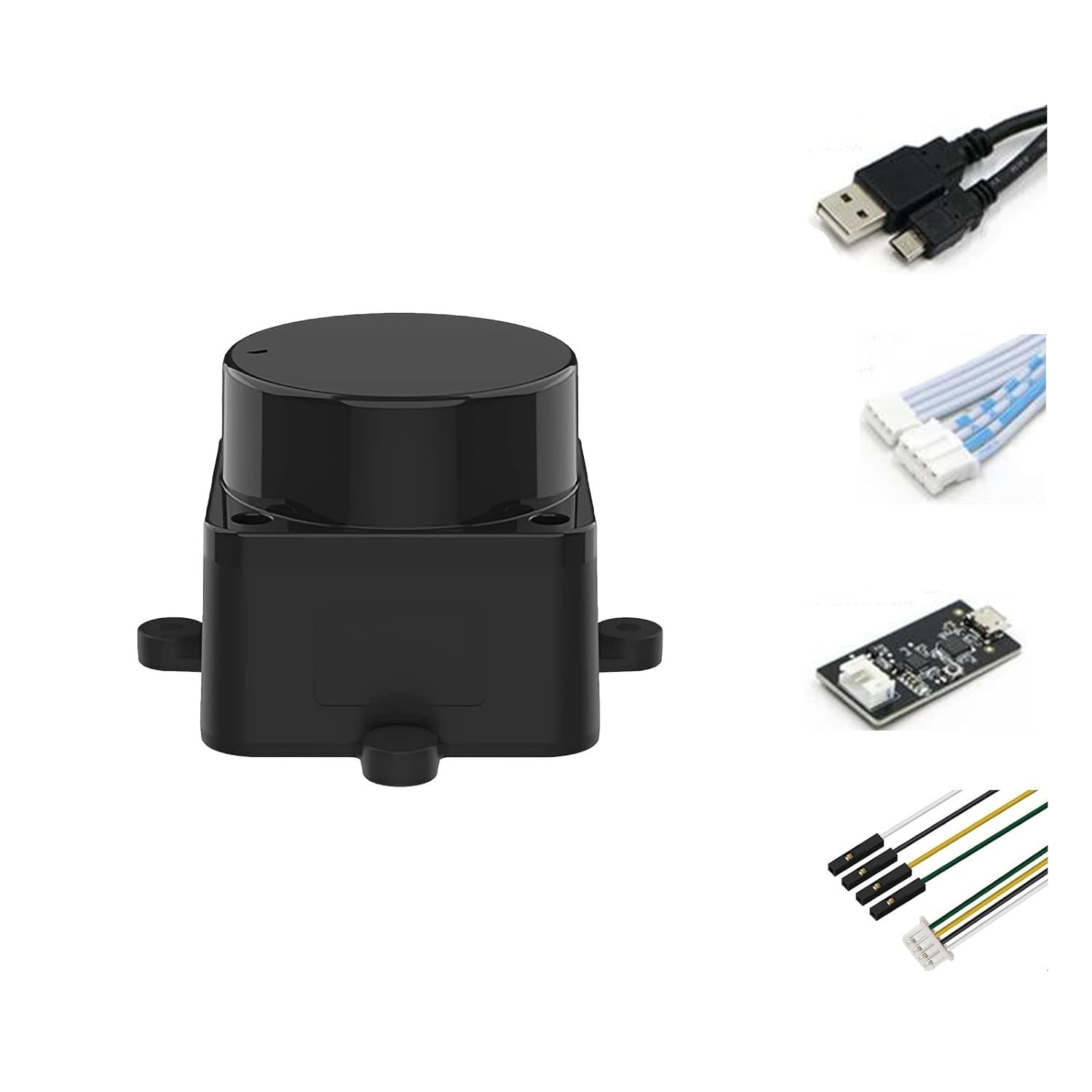
For those looking to understand or even replicate the spatial awareness that allows a 40-ton truck to navigate a desert gale at highway speeds, exploring the hardware behind the magic is the first step. The evolution of precision sensing has opened up a world where high-fidelity environment mapping is no longer a futuristic dream but a tangible reality for developers and hobbyists. By integrating professional-grade sensing components, anyone from robotics students to logistics researchers can begin to master the art of digital perception and 3D environment reconstruction.
Are you ready to dive deeper into the tech that is redrawing the map of American commerce? We invite you to explore our curated selection of high-performance sensing tools that bring industrial-grade precision to your own projects and experiments. Don’t forget to share your thoughts on the autonomous revolution in the comments below and subscribe to the NewsBurrow newsletter to stay ahead of the curve with the latest breakthroughs in AI and transport innovation.
Shop Products On Amazon
Shop Products on Ebay




Trending Similar Stories in the News
Aurora triples driverless trucking network to 10 routes and targets Sun Belt expansion Intelligent CIO...
Aurora Triples Driverless Truck Network Across the Sun Belt, Plans 200+ Autonomous Trucks by 2026 Electric Cars Report...
Trending Videos of Aurora Driverless Trucking Network



GIPHY App Key not set. Please check settings