

 Ryan Chen
Table of Contents
Inclusive Digital Learning Trends 2026
2026 EdTech Revolution: How Inclusive Digital Learning is Closing the Education Gap
Inclusive digital learning trends 2026 are shifting the educational landscape from mere high-tech novelty to a mandatory ‘Accessibility First’ framework for global learners.
By Ryan Chen (@RChenNews)
NewsBurrow News Network
The chalkboard era hasn’t just been erased; it has been overwritten by a digital manifesto that refuses to leave any child behind. As we cross into 2026, the global education sector is witnessing a seismic shift—a revolution where “inclusion” is no longer a buzzword in a policy binder but the very code upon which new learning ecosystems are built. At NewsBurrow, we’ve tracked the rise of EdTech for years, but 2026 feels different. The focus has pivoted from the “flashy” to the “functional,” moving beyond the novelty of high-tech gadgets to a mandatory “Accessibility First” framework that is finally beginning to close the stubborn inequality gaps of the past decade.
The April 2026 Mandate: Why “Accessibility First” is the New Law of the Land
The primary catalyst for this year’s massive shift is the looming legal convergence. With the April 2026 Title II deadline in the United States and the expansion of the European Accessibility Act, schools and universities are facing unprecedented pressure to meet rigorous digital inclusion standards. But rather than viewing these as bureaucratic hurdles, forward-thinking institutions are leveraging AI to turn federal mandates into measurable student progress. We are seeing a transition from static, manual accessibility audits to continuous, AI-powered testing that predicts user experience barriers before a student even logs in.
Inclusive mobile and voice interfaces have become the standard for 2026. For students with motor challenges or visual impairments, the curriculum now speaks back. Haptic feedback, gesture alternatives, and voice-operable navigation are no longer “premium features”—they are the bedrock of the 2026 digital classroom. This shift represents a move from mere technical compliance to genuine usability, ensuring that every digital asset, from a simple quiz to a complex simulation, is perceivable and operable by every learner, regardless of their physical or cognitive starting point.
Solving the Access Paradox: How Low-Bandwidth AI Reaches the Unreachable
The “Digital Divide” has long been the Achilles’ heel of online learning, but 2026 is seeing the rise of ingenious workarounds for rural and low-resource settings. One of the most significant breakthroughs is the deployment of offline-capable AI platforms. Organizations like UNICEF and various regional resource centers are now utilizing solar-powered devices and AI models that require zero active internet to function. These tools allow students in regions with unreliable connectivity to record lessons, access audio-converted textbooks, and engage with adaptive curricula that sync only when a brief signal is available.
Below is a snapshot of the infrastructure gap being bridged in 2026:
| Region/Context | Primary Barrier (Pre-2026) | The 2026 Inclusive Solution | Impact Metric |
|---|---|---|---|
| Rural Africa & Asia | Unstable Connectivity | Solar-powered Offline AI Edits | 45% Increase in Participation |
| Low-Income Urban Centers | Device Affordability | Mobile-First BYOD Optimization | 30% Higher Course Completion |
| Special Needs Education | Rigid Content Formats | Real-time AI Audio/Text Conversion | 88% Improved Mastery Scores |
The Era of Agentic AI: The Autonomous Tutor That Never Sleeps
If 2024 was the year of the chatbot, 2026 is the year of the Agentic AI. Unlike its predecessors that waited for a prompt, Agentic AI possesses “educational agency.” It is proactive, not reactive. These systems sit as an adaptive middleware between the student and the content, scanning for micro-behaviors like hesitation on a specific paragraph or multiple attempts at a physics formula. When the AI detects a “frustration wall,” it doesn’t just offer a hint; it intervenes with a personalized case study or a different media format—perhaps switching from a text explanation to an interactive simulation—to bypass the mental block.
This proactive personalization has been a game-changer for student retention. By predicting a student’s risk of dropping out three to four weeks before the student even considers it, these AI agents trigger “predictive safety nets.” This might involve an automated nudge to the teacher or an instant adjustment of the learning path to rebuild the student’s confidence. The data is clear: proactive AI support has successfully reduced average dropout rates in online higher education by nearly 15% this year alone.
Neuroeducation and Universal Design: Engineering the “Brain-Friendly” Classroom
2026 marks the full integration of cognitive neuroscience into EdTech through the Universal Design for Learning (UDL) framework. We’ve moved past the myth of the “average brain.” Instead, learning environments are now engineered to accommodate predictable learner variability. By providing multiple means of engagement (the “why”), representation (the “what”), and action (the “how”), digital platforms are effectively eliminating the “disability of instruction” rather than focusing on the disability of the learner.
2026 Mastery Growth: UDL-Based vs. Traditional Online LearningMastery %
^
90|          ________ [UDL-Optimized AI Platforms]
80|         /
70|        /
60|   ____/
50|  /       -------- [Standard Digital Curricula]
40| /
+-------------------------------------------->
Month 1    Month 3    Month 6    Month 12
The impact of this “brain-based” design is most visible in complex subjects like STEM. AI-powered simulations have replaced abstract lectures, allowing students to “shrink” to the size of a cell or manipulate mathematical variables in a 3D virtual space. These simulations are no longer considered “extra” resources; they are the core of lesson design, proving to increase conceptual understanding by 25% compared to traditional video-based instruction.
The Ethical Sandbox: Guarding Privacy in an Age of Hyper-Personalization
With great data comes great responsibility—and 2026 has introduced the “Ethical Sandbox.” As AI personalization deepens, institutions are under fire to ensure that student data isn’t being used for predatory marketing or biased profiling. At NewsBurrow, we’ve observed a rise in “Sovereign Data” models, where students (or their parents) own their learning data on encrypted blockchain ledgers. This allows for credential portability—carrying micro-badges and skill certifications from one school to another—without exposing sensitive personal history.
However, the shock factor of 2026 remains the “Bias Audit.” We’ve seen instances where generic AI tools inadvertently favored certain cultural linguistic patterns, effectively penalizing migrant and refugee students. This has led to the “Teacher-First AI” movement. Successful schools are now ensuring that AI never acts in a vacuum; instead, it serves as an “orchestration layer” that teachers supervise. The human-centric approach is the only way to ensure that the “personalized” path doesn’t become a “segregated” one.
Microlearning and the “Atomic” Education Movement
The traditional 60-minute lecture is officially on life support. In 2026, the dominant trend is Atomic Learning—short, 3-to-10 minute targeted bursts of content designed for modern attention spans and mobile-first lifestyles. This isn’t just about brevity; it’s about spaced repetition. AI engines now deliver “knowledge nudges” to a student’s smartphone at scientifically optimized intervals to ensure that information moves from short-term to long-term memory.
- Short-form Videos: Replacing long-form recordings with interactive, choice-based snippets.
- Gamified Nudges: Using XP and achievement badges to turn the “drudgery” of practice into a narrative journey.
- Bite-sized Quizzing: Instant feedback loops that identify gaps immediately rather than at the end of a semester.
The Human Verdict: Can Technology Truly Replace the Heart of a Teacher?
The 2026 EdTech revolution has brought us to a profound realization: technology is the bridge, but the teacher is the destination. We are seeing a massive shift in the role of educators from “content deliverers” to “learning architects.” By offloading 5 to 10 hours of weekly administrative and grading work to AI assistants, teachers are finally finding the time to do what they do best—mentor. The human-centric anchor is what prevents the digital classroom from becoming a cold, algorithmic void.
As we look toward 2030, the question is no longer whether digital learning can be inclusive, but whether we have the collective will to keep it that way. The tools are here, the laws are in place, and the data is undeniable. Education is finally opening its doors to everyone, everywhere, all at once. At NewsBurrow, we believe this is just the beginning. What do you think? Is the AI-driven classroom the ultimate equalizer, or are we trading human connection for high-tech efficiency? Join the conversation in the comments below!
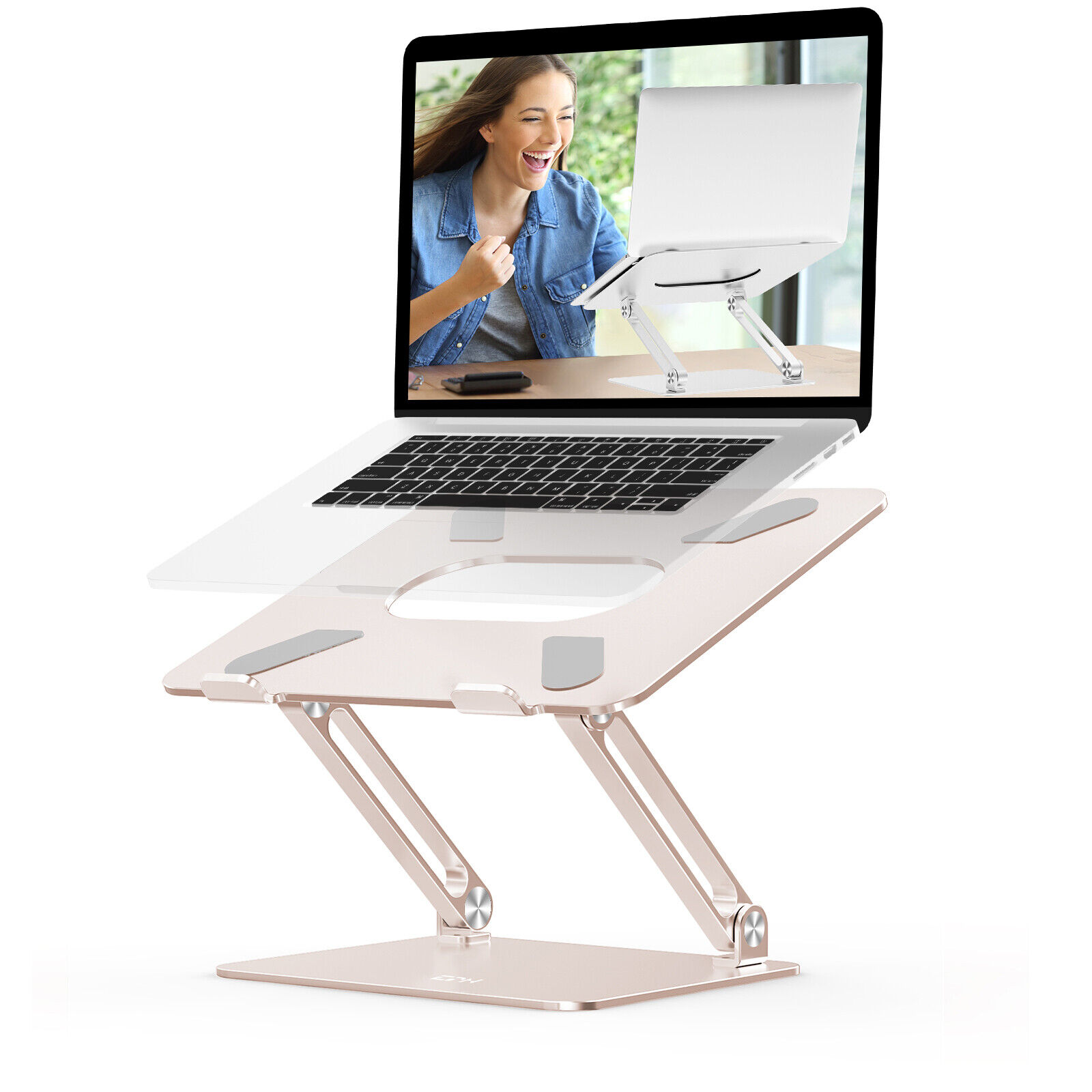
As we navigate this massive shift toward a more inclusive and digital-first education system, the physical environment where learning happens has become just as critical as the software itself. The 2026 revolution isn’t only about virtual accessibility; it is about ensuring that the human body can keep up with the demands of long-term digital engagement. For students, educators, and professionals alike, maintaining proper posture and comfort during these intense learning sessions is the foundation of sustainable success.
To truly thrive in an era of hyper-personalized education, we must optimize our physical workspace to prevent the fatigue that often accompanies the “always-on” digital world. Investing in the right tools can bridge the gap between struggling with screen strain and achieving peak cognitive performance. By prioritizing your physical well-being today, you ensure that you remain focused and energized as the EdTech landscape continues to evolve around you.
Explore our top recommendations below to find the perfect additions to your digital learning setup and take the first step toward a more comfortable, productive future. We also invite you to join our growing community by sharing your thoughts in the comments and subscribing to the NewsBurrow newsletter for the latest insights on education and innovation. Your journey to a smarter, healthier workspace starts right here.
Shop Products On Amazon
Shop Products on Ebay




Trending Similar Stories in the News
#BizTrends2026 | Reddam's Mark Hayter: Inclusive digital learning will define education’s next decade Bizcommunity...
What Bitcoin Price Trends Reveal About Digital Inclusion and Exclusion Modern Diplomacy...
Trending Videos of Inclusive Digital Learning Trends 2026




GIPHY App Key not set. Please check settings