

 Ryan Chen
Table of Contents
Nvidia Investment In Openai
Nvidia to Inject $30 Billion into OpenAI: The Rise of an AI Super-Monopoly?
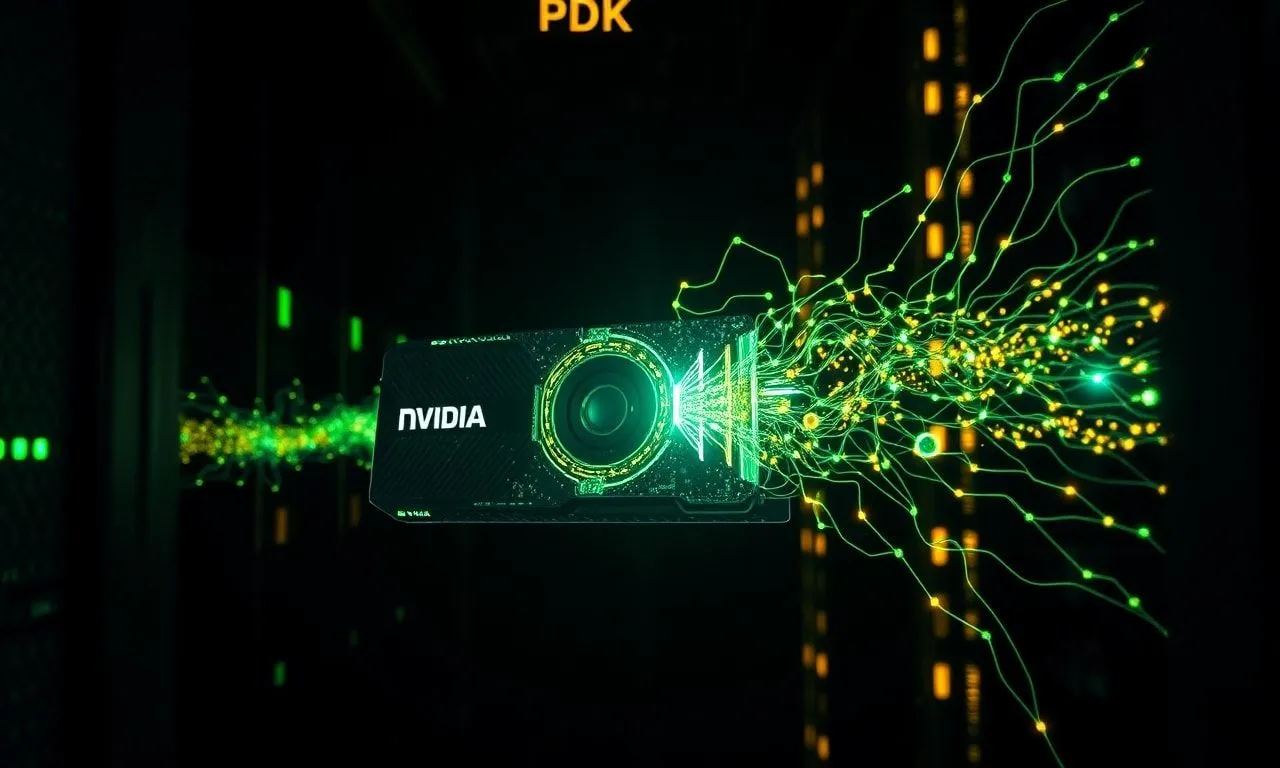
Nvidia investment in OpenAI is set to redefine the artificial intelligence landscape by bridging the gap between massive compute power and cutting-edge model development.
By Ryan Chen | @RChenNews
The $30 Billion Handshake: Silicon Valley’s New Power Dynamic
In a move that has sent shockwaves from the glass towers of Palo Alto to the trading floors of Wall Street, Nvidia is reportedly finalizing a staggering $30 billion investment into OpenAI. This isn’t just another venture capital round; it is a seismic shift in the tectonic plates of the digital age. Sources close to the negotiations suggest that this deal, expected to close as early as this weekend, marks a departure from previous infrastructure-only commitments, evolving into a direct equity injection that reshapes the future of computation.
The numbers are as dizzying as they are definitive. This $30 billion infusion effectively replaces or dramatically scales a previous $100 billion “soft” commitment made in late 2025. While that earlier deal was largely a letter of intent centered on supplying chips, this new agreement represents hard cash and direct ownership. It is the moment the “arms dealer” of the AI revolution officially becomes a co-commander of the most powerful AI army on Earth.
For the average observer, $30 billion might seem like an abstract figure. However, in the context of the 2026 tech landscape, it is the price of admission to a future where intelligence is the primary commodity. By moving from a supplier relationship to a strategic partner, Nvidia isn’t just selling the shovels for the gold rush; they are now claiming a massive stake in the mine itself.
A Stratospheric Ascent: The $830 Billion Valuation Mystery
OpenAI’s valuation history reads like a fever dream of exponential growth. In late 2024, the company was valued at a then-shocking $157 billion. Fast forward to today, and the current funding round—bolstered by Nvidia’s billions—is catapulting OpenAI toward a post-money valuation exceeding $830 billion. To put that in perspective, OpenAI is now worth more than the entire GDP of many developed nations, all while operating with a relatively lean workforce compared to industrial-era giants.
This valuation isn’t just based on current revenue; it is a bet on the total displacement of traditional software. Investors are looking at a “winner-takes-most” scenario where OpenAI’s models become the operating system of the world. With other titans like SoftBank contributing $30 billion and Amazon dangling up to $50 billion, the capital concentration is unprecedented. This is the first time in history we have seen a private startup approach a trillion-dollar market cap before even considering an IPO.
Critics argue that these numbers are detached from reality, but the market disagrees. The demand for generative intelligence has proven to be inelastic—companies simply cannot afford to be left behind. Below is a breakdown of the valuation trajectory that has left the world breathless:
| Timeline | Valuation (USD) | Key Lead Investor |
|---|---|---|
| October 2024 | $157 Billion | Thrive Capital |
| March 2025 | $300 Billion | SoftBank |
| February 2026 | $830+ Billion | Nvidia / Amazon |
Vera Rubin’s Shadow: The Silicon Foundation of Intelligence
The technical heartbeat of this deal is Nvidia’s “Vera Rubin” platform. Named after the pioneering astronomer who discovered dark matter, the platform is designed to handle the “dark matter” of data—the massive, unorganized datasets required to train the next generation of reasoning models. The original $100 billion infrastructure deal was contingent on OpenAI completing its first gigawatt of computing power using this specific architecture. Now, the investment ensures that OpenAI remains the first in line for every chip that rolls off the line.
This relationship creates a nearly insurmountable technical moat. While other labs struggle with supply chain delays and chip shortages, OpenAI is effectively building its house inside the chip factory. The Vera Rubin platform represents a leap in energy efficiency and processing speed that makes previous H100 and B200 chips look like relics of a bygone era. It is the high-octane fuel for the AI engine, and Nvidia has just handed OpenAI the only key to the pump.
OpenAI has already announced plans to purchase between 4 to 5 million of these next-gen chips. This isn’t just a purchase order; it is a declaration of war against latency. By integrating the hardware design so closely with model training, the “compute dividend” will likely manifest as AI that can think, reason, and act in real-time, leaving competitors trailing in a cloud of digital dust.
The Feedback Loop: Engineering an AI Super-Monopoly
What we are witnessing is the birth of the most sophisticated feedback loop in economic history. Nvidia gives OpenAI $30 billion. OpenAI then uses that $30 billion to buy Nvidia chips. Nvidia records record-breaking revenue from those sales, which drives their stock price higher, allowing them to invest even more into OpenAI. It is a closed-circuit economy that sidesteps traditional market competition and concentrates power in a way that would make the Gilded Age barons blush.
This “Super-Monopoly” goes beyond mere market share. It is a vertical integration of the entire intelligence stack. When the entity that makes the brains (software) is the same entity that makes the neurons (hardware), the speed of iteration becomes terrifyingly fast. This synergy allows for “co-design,” where chips are literally built to optimize the specific mathematical weights of OpenAI’s latest GPT models, and vice-versa.
The shock factor here is the sheer audacity of the consolidation. We aren’t just looking at two companies cooperating; we are looking at the fusion of the world’s most valuable hardware company with the world’s most influential software laboratory. The “AI Monopoly” isn’t coming—it’s here, and it’s $830 billion strong.
AI MARKET CONCENTRATION INDEX (PROJECTED 2026)
High
^
|          [X] OpenAI/Nvidia Alliance (68% Market Control)
|
|
|    [ ] Google/DeepMind (15%)
|
| [ ] Meta (8%)
|
| [ ] Others/Open Source (9%)
+------------------------------------------------------->
2024      2025      2026
Wall Street’s Adrenaline Shot: Why Nvidia Stock is Primed for a Surge
For investors, the $30 billion investment is a masterstroke of financial engineering. By securing OpenAI as a captive, high-volume customer for the next decade, Nvidia has effectively “de-risked” its future revenue. Analysts are already revising their 2026 price targets for Nvidia (NVDA), suggesting that the stock is poised for a significant rally as the deal nears its final signature. This isn’t just about the $30 billion leaving the bank; it’s about the hundreds of billions in chip sales it guarantees.
The market loves certainty, and there is no more certain bet in 2026 than the continued expansion of data centers. OpenAI’s commitment to spend $600 billion on infrastructure by 2030 acts as a massive “Buy” signal for Nvidia. When the world’s most advanced AI lab says it needs more power, and the world’s most advanced chipmaker says it has the money to build it, the resulting synergy is a magnet for institutional capital.
However, there is a darker side to this optimism. As Nvidia’s stock price surges, the cost of entry for any other company trying to build an AI infrastructure becomes prohibitively expensive. We are entering an era where only those with “Nvidia-level” capital can participate in the top-tier AI race. The stock market may be cheering, but the diversity of the tech ecosystem is at stake.
The David vs. Goliath Dilemma: Is There Room for Startups?
While the giants dance, the smaller AI startups are finding the floor increasingly cramped. The impact of the Nvidia-OpenAI deal on the broader ecosystem is profound. When a single lab has $30 billion in fresh cash and a direct line to the world’s best chips, how does a garage-based startup compete? The “compute tax” is becoming the most significant barrier to innovation in the 21st century.
We are seeing a trend of “acqui-hires” and consolidation, where promising startups are swallowed up not for their products, but for their talent and their existing chip allocations. The message from the Nvidia-OpenAI alliance is clear: if you aren’t part of the core ecosystem, you are fighting for scraps. This concentration of power threatens to stifle the very disruptive spirit that gave birth to the AI revolution in the first place.
- The Talent Drain: Top-tier researchers are gravitating toward the entities with the most compute power.
- The Capital Gap: VC funding is centralizing around “safe bets” that are allied with Nvidia.
- Hardware Hunger: Small players are forced to use previous-generation chips, creating a two-tier AI society.
Antitrust and the $600 Billion Infrastructure Reset
As the “AI Super-Monopoly” takes shape, the world’s regulators are beginning to wake up. The deepening ties between Nvidia and OpenAI have already caught the eye of antitrust bodies in the EU and the US. The concern is simple: does this partnership prevent other chipmakers (like AMD or Intel) or other AI labs from having a fair shot at the market? When the supplier of the essential component is also the primary investor in the lead consumer, the definition of a “free market” begins to blur.
Sam Altman’s vision of a $600 billion infrastructure reset by 2030 is as much a political statement as it is a technical one. It suggests that AI is now a matter of national security and global utility. If the infrastructure of the future is owned by a handful of private entities with deep, cross-invested ties, the public interest may take a backseat to corporate dominance. The “Shock Factor” for the public will be when they realize that the very air of the digital world—the compute power—is owned by a single, impenetrable alliance.
The Future of Intelligence: Empowerment or Enclosure?
We stand at a crossroads. The Nvidia investment in OpenAI could lead to an unprecedented acceleration of human capability, bringing us closer to AGI and solving complex global challenges. However, it could also lead to an era of digital enclosure, where intelligence is a luxury good controlled by a “Super-Monopoly.” As a society, we must decide if we are comfortable with the “brains” of the future being designed behind the closed doors of a $830 billion fortress.
The conversation is no longer about whether AI is good or bad; it’s about who owns the switches. Does this $30 billion deal represent the ultimate synergy of human ingenuity, or the final nail in the coffin for tech competition? One thing is certain: the world is watching, and the stakes have never been higher. Join the conversation below—do you think this alliance is a leap forward for humanity, or a dangerous concentration of power that needs to be checked?
What are your thoughts on the Nvidia-OpenAI alliance? Is this the start of an AI golden age or a monopoly we’ll regret? Share your views and join the NewsBurrow community in discussing the future of technology!
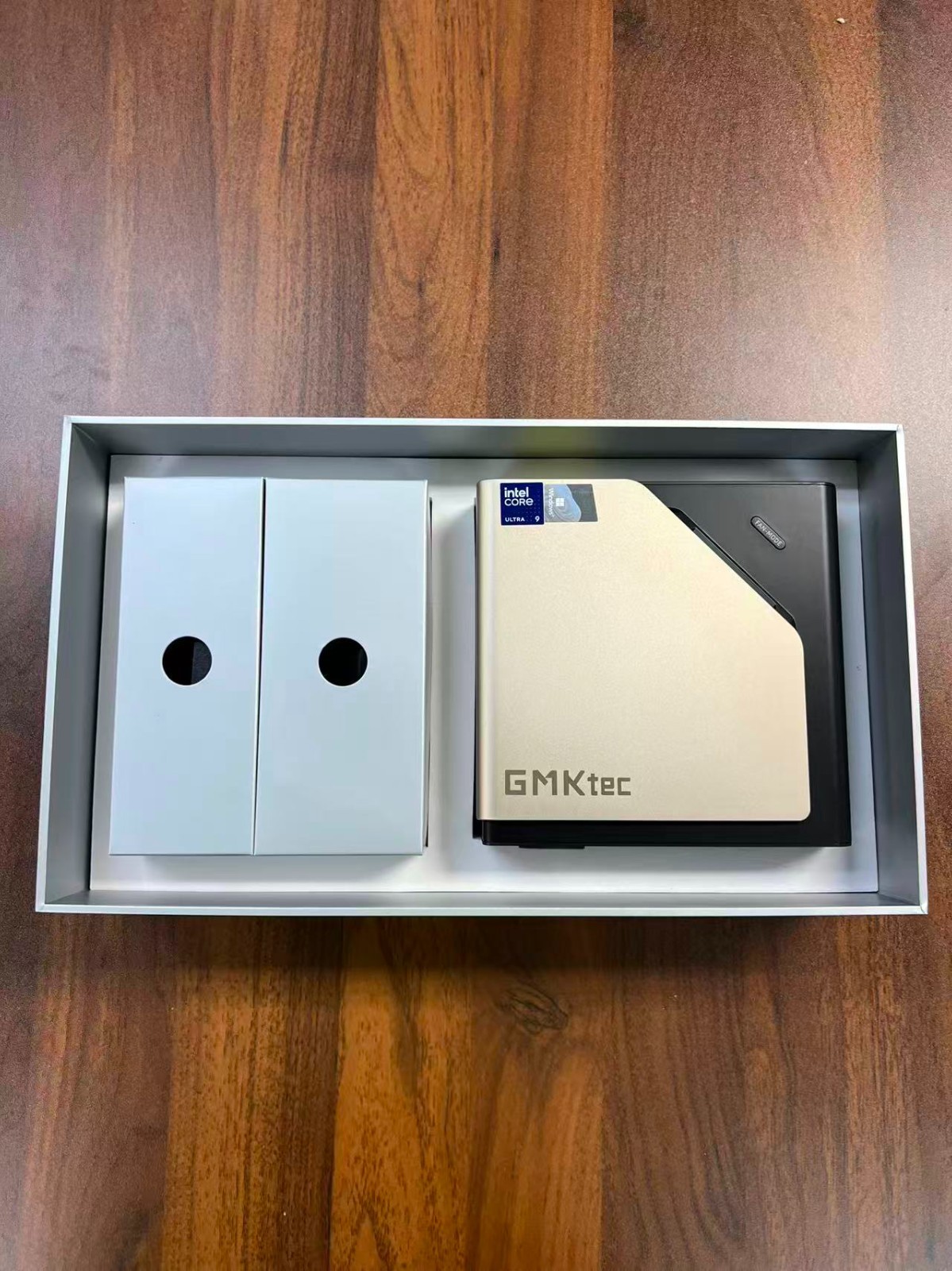
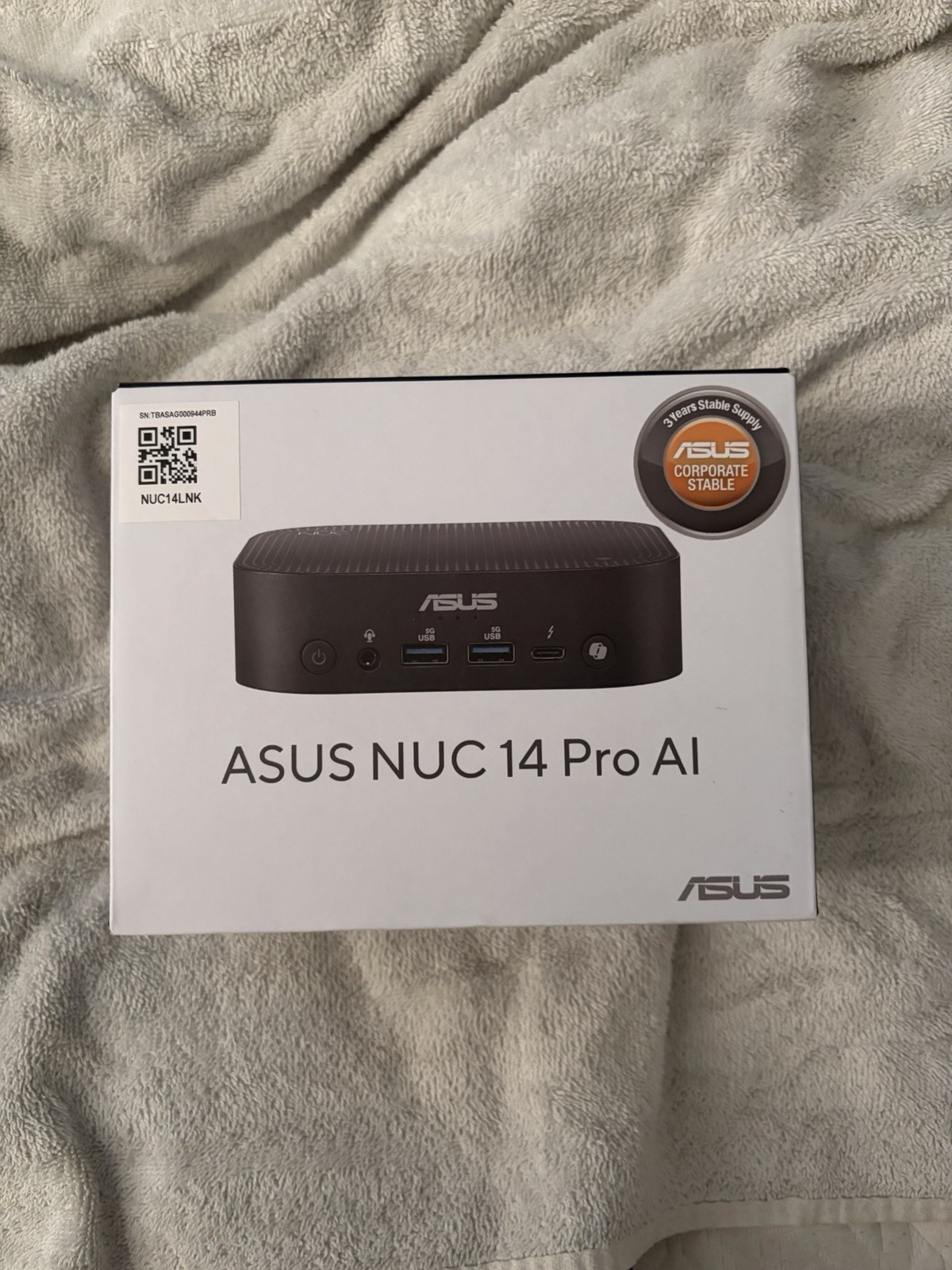
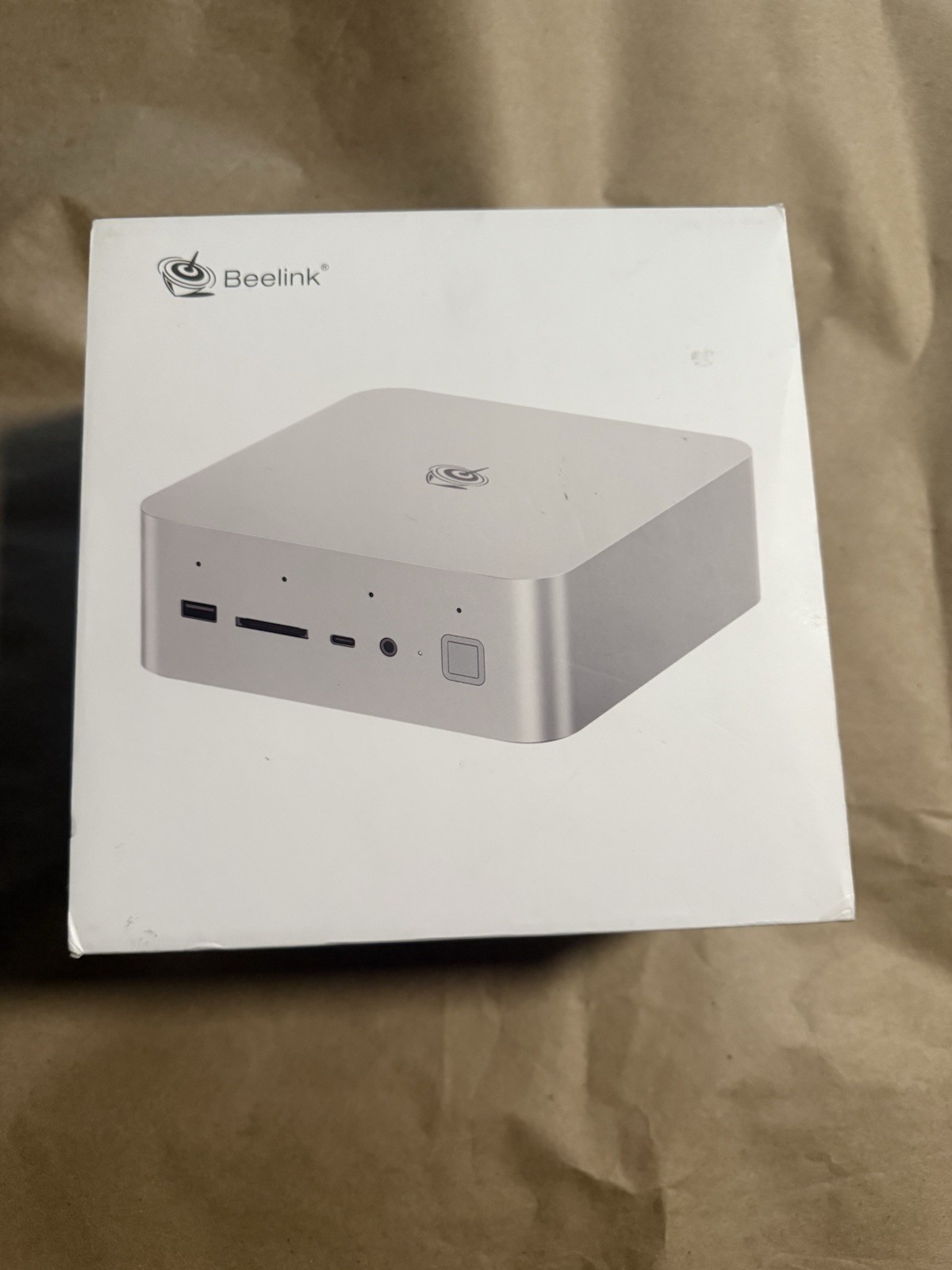
As the “AI Super-Monopoly” cements its grip on the global digital infrastructure, the message for professionals, researchers, and creators is unmistakable: access to high-tier compute is no longer a luxury, it is a survival requirement. While Nvidia and OpenAI negotiate multi-billion dollar deals to secure the planet’s most powerful chips, savvy innovators are increasingly bringing that same level of raw power directly onto their own desks. The shift toward local, high-performance computing allows developers to bypass cloud latency and maintain absolute data sovereignty, ensuring their proprietary breakthroughs remain private and secure.
The dawn of the agentic AI era in 2026 means that your workstation is no longer just a tool, but a literal teammate capable of executing complex simulations and local model fine-tuning in real-time. To truly compete in a landscape dominated by trillion-dollar alliances, having the right hardware foundation is the only way to level the playing field. Whether you are training bespoke models or deploying sophisticated AI agents, the right local setup transforms your workflow from a reactive process into a proactive engine of innovation.
Explore our curated selection of top-tier hardware below to empower your next breakthrough and take full control of your AI future. We invite you to join the NewsBurrow community by sharing your thoughts on local versus cloud computing in the comments section. Don’t forget to subscribe to our newsletter for the latest exclusive insights and deep dives into the technologies shaping our world.
Shop Products On Amazon
Shop Products on Ebay





Trending Similar Stories in the News
Nvidia and OpenAI abandon unfinished $100bn deal in favour of $30bn investment Financial Times...
Nvidia close to investing $30 billion in OpenAI's mega funding round, source says Reuters...
Trending Videos of Nvidia Investment In Openai



GIPHY App Key not set. Please check settings