

 Ryan Chen
Table of Contents
Ai Drug Discovery San Diego
San Diego’s $1.7B Tech-Bio Explosion: Takeda and Iambic’s AI Drug Deal Shakes the Industry
AI Drug Discovery San Diego reaches a historic milestone as Takeda and Iambic Therapeutics finalize a staggering $1.7 billion deal to revolutionize medicine.
San Diego’s $1.7B Tech-Bio Explosion: Takeda and Iambic’s AI Drug Deal Shakes the Industry
By Ryan Chen | NewsBurrow Technology Reporter
The $1.7 Billion Handshake: San Diego’s New Tech-Bio Landmark
In the quiet, sun-drenched labs of San Diego, a seismic shift has just occurred that is reverberating through the global halls of Big Pharma. Takeda Pharmaceutical, the Japanese titan with a centuries-old legacy, has reached across the Pacific to clasp hands with Iambic Therapeutics, a local biotech startup that is barely six years old. This isn’t just a partnership; it is a $1.7 billion declaration of war against the slow, expensive, and often failed traditional methods of drug discovery. The “bio-buck” figure alone—$1.7 billion in potential milestones—places this deal in the upper echelon of modern pharmaceutical history.
While the world watches high-profile AI battles in Silicon Valley, San Diego has quietly become the “Ground Zero” for what experts are calling the **Tech-Bio Revolution**. This deal signifies a shift from the experimental “maybe” of AI to the industrial “must-have.” Takeda is not just buying a software license; they are integrating Iambic’s entire artificial intelligence engine into their high-priority small-molecule programs. For San Diego, this is a validation of its status as the premier hub for innovation where life sciences and silicon meet.
The shock factor here isn’t just the money; it’s the speed. In an industry where bringing a drug to market can take over a decade and cost billions, the Iambic-Takeda alliance aims to shatter those timelines. We are looking at a future where drug discovery moves at the speed of software updates. This partnership targets some of the most stubborn diseases known to humanity, initially focusing on oncology, gastrointestinal issues, and chronic inflammation.
NeuralPLexer: The Generative AI Engine Redefining Molecular Design
At the heart of this billion-dollar machinery lies a piece of technology that sounds like science fiction: **NeuralPLexer**. Developed by Iambic, this generative AI model doesn’t just “guess” what a drug might do; it predicts the 3D atomic structure of how a drug molecule (the ligand) interacts with a disease-causing protein. In traditional chemistry, scientists would have to physically create thousands of compounds just to see if one sticks. NeuralPLexer allows them to simulate this “binding” with unprecedented accuracy before a single vial is filled in a lab.
What makes NeuralPLexer different from the AI hype we see daily? It is “physics-informed.” It understands the actual physical laws that govern how molecules move and shift. This isn’t just pattern recognition; it is a deep simulation of biological reality. By predicting how a protein changes shape when a drug hits it—something scientists call “conformational response”—Iambic can design drugs that are significantly more selective, reducing the “off-target” side effects that usually kill drug candidates in clinical trials.
Takeda’s Chief Scientific Officer, Christopher Arendt, hasn’t hidden his enthusiasm. By gaining access to NeuralPLexer, Takeda is essentially equipping its researchers with high-definition “night vision” for the molecular world. They can now navigate the vast “chemical space”—the trillions of possible molecule combinations—with a map that was previously invisible to human eyes.
Sculpting in the Light: How AI Ends the Era of ‘Blind’ Drug Discovery
Iambic CEO Tom Miller famously described the old way of drug hunting as “sculpting in the dark.” For decades, chemists have relied on intuition and exhaustive manual testing, hoping to stumble upon a molecule that works. This “blind” approach is why 90% of drugs fail when they finally reach human testing. This deal marks the end of that era. With AI-driven structural insights, the lights have been turned on, allowing researchers to see the “sculpture” of the drug-target interaction clearly for the first time.
This shift from trial-and-error to precision design is precisely why investors are flocking to the San Diego region. The AI doesn’t just find a drug; it tells you *why* it works and *how* to make it better. This “rational design” approach is expected to significantly increase the “Probability of Success” (PoS), a metric that keeps pharmaceutical executives awake at night. If Takeda can even slightly increase the number of drugs that pass through Phase III trials, the $1.7 billion price tag will look like a bargain.
To visualize the impact, consider the traditional R&D funnel versus the AI-optimized funnel:
| Discovery Phase | Traditional Method | AI-Enabled (Iambic/Takeda) |
|---|---|---|
| Target Identification | 2-3 Years | 6-12 Months |
| Lead Optimization | 3-5 Years | 12-18 Months |
| Candidate Selection | Manual Bench Testing | Automated DMTA Cycles |
| Success Rate | ~10% | Projected 30-40% improvement |
Targeting the Intractable: Oncology, Inflammation, and GI Innovation
The collaboration is not a scattershot approach; it is a laser-focused strike on three high-priority therapeutic areas: **Oncology, Gastrointestinal (GI) disease, and Inflammation.** These are fields where the “unmet need” is staggering. For patients suffering from treatment-resistant cancers or chronic inflammatory bowel diseases, the promise of more precise, AI-designed molecules is more than just business news—it is a lifeline. The partnership aims to develop “small molecules,” which are typically oral pills that can easily penetrate cells, making them more convenient than the complex injectable biologics that dominate the market today.
In oncology specifically, the goal is “selectivity.” Many current cancer drugs are like sledgehammers; they kill the cancer but damage healthy tissue in the process. Iambic’s AI platform specializes in finding “cryptic pockets”—hidden nooks on a protein that only their specific drug can fit into. This allows for drugs that hit the tumor hard while sparing the patient from the debilitating side effects often associated with chemotherapy or early-generation inhibitors.
Takeda’s refined focus on these areas follows a strategic pivot in 2024 and 2025, where they moved away from certain cell therapies to double down on scalable modalities like small molecules and biologics. By leveraging San Diego’s AI talent, Takeda is betting that the most effective way to treat these conditions is through the smart design of “smart” molecules.
The 24-Month IND Challenge: Compressing Preclinical Timelines
The most shocking claim coming out of the Iambic camp is their ability to move from a “project start” to an Investigational New Drug (IND) application in under 24 months. In the traditional world, this process often takes five years or more. This rapid acceleration is achieved through a “rapid design-make-test-analyze” (DMTA) cycle. It is the biological version of the “Agile” development used by software giants like Google or Meta.
By compressing the timeline, the partnership isn’t just saving money; they are getting drugs to patients who don’t have years to wait. Every month shaved off the discovery process is another month a patient might spend in remission. This speed is what attracted Takeda. They aren’t just looking for a better molecule; they are looking for a better *process*. If Iambic can prove that its 24-month timeline is repeatable, it will force every other major pharmaceutical company to adopt similar AI-driven workflows or face obsolescence.
The “Time-to-Trial” graph below illustrates the dramatic reduction in the preclinical phase:
Preclinical Timeline (Months)
60 | [Traditional] ************************************************************
48 |
36 |
24 | [AI-Driven]   ************************
12 |
0 |___________________________________________________________________________
Robots in the Wet Lab: The Hardware Behind the Algorithms
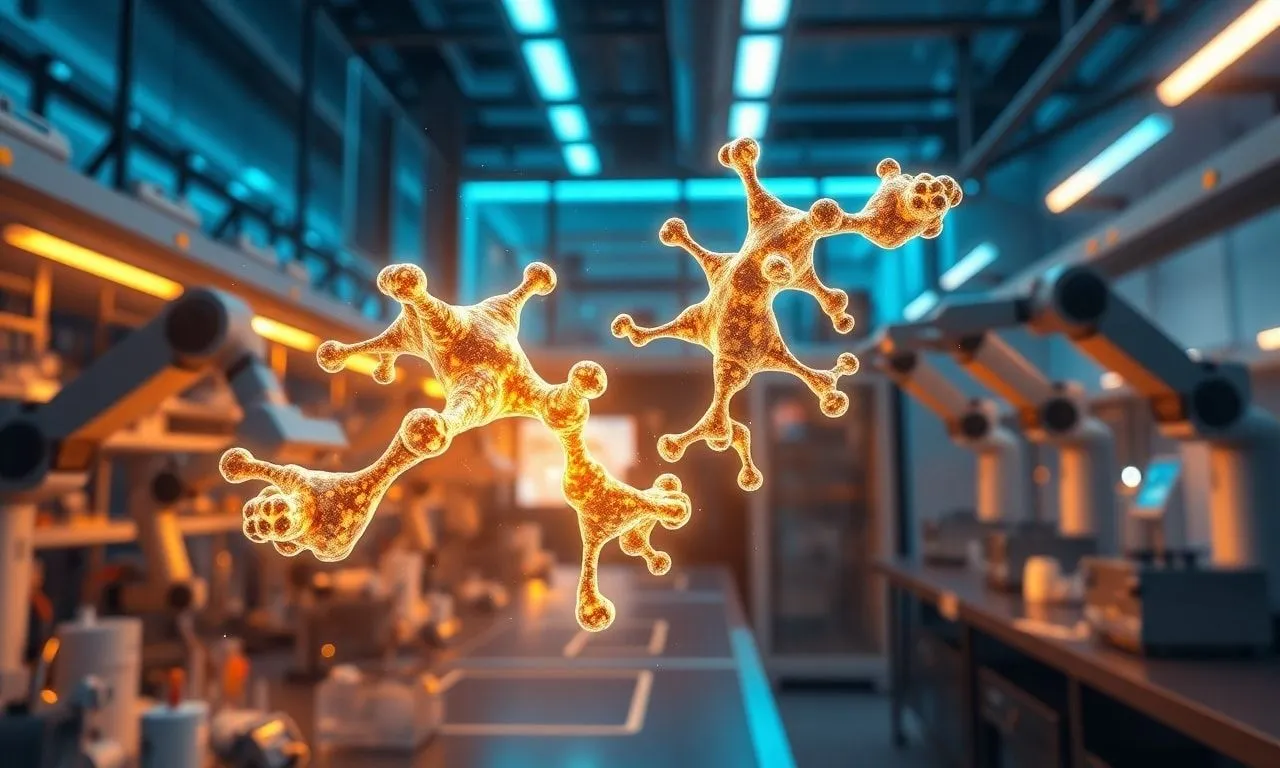
One common critique of AI in biotech is that “digital predictions don’t always work in the real world.” Iambic has solved this by building a fully integrated, high-throughput **automated wet lab**. This isn’t just a room full of computers; it’s a room full of robotic arms and automated synthesisers that can create thousands of unique compounds every single week. When the AI suggests a new molecular design on Monday, the robots can often have a physical sample synthesized and tested by Friday.
This “closing of the loop” is critical. The biological data generated in the lab is instantly fed back into the AI models to retrain them. This creates a virtuous cycle where the AI gets smarter every week based on real-world experimental results. Takeda is gaining access not just to the software, but to this entire automated infrastructure. This is why the deal is structured as more than a license—it is a deeply integrated discovery engine.
By combining high-throughput chemistry with high-throughput biology, the partnership can de-risk candidates much earlier. If a molecule has a flaw, they find it in the automated lab in weeks, rather than finding it in a clinical trial years later. This is the “fail fast, fail cheap” philosophy brought to life in the most complex field of science.
Beyond the Biobuck: Decoding the $1.7B Deal Structure
Let’s talk about the money. While the headline screams “$1.7 Billion,” the reality of biotech deals is more nuanced. Takeda is paying an undisclosed upfront fee, which covers research costs and grants them access to Iambic’s proprietary stack. The bulk of the $1.7 billion is “success-based”—meaning Iambic only gets paid if the drugs they design actually hit specific milestones in development and commercialization. This “opt-in” model protects Takeda from technical risk while giving Iambic massive upside if their AI-designed molecules become blockbusters.
Furthermore, Iambic is eligible for tiered royalties on net sales. This ensures that the startup isn’t just a “service provider” but a true partner with a stake in the patient’s outcome. This deal structure is becoming the gold standard for AI-Pharma collaborations, as it incentivizes the startup to produce high-quality candidates rather than just a high volume of designs.
Deal Components Breakdown:
- Upfront Payments: Immediate cash for platform access and ongoing research overhead.
- Development Milestones: Payments triggered by successful Phase I, II, and III clinical trials.
- Regulatory Milestones: Bonuses for FDA and global regulatory approvals.
- Commercial Royalties: A percentage of every dollar the drug earns on the market.
Takeda’s R&D Pivot: Why Big Pharma is Betting on San Diego Startups
Takeda’s decision to double down on San Diego isn’t a fluke; it’s a strategic necessity. The company has been aggressively narrowing its focus, moving away from more “fragile” modalities like cell therapy, which suffered a setback for Takeda in 2024. Instead, they are leaning into “scalable modalities”—small molecules and biologics that can be manufactured more easily and delivered more broadly. AI is the tool that makes these modalities viable again by finding new ways to hit “undruggable” targets.
This follows Takeda’s previous AI partnership with Nabla Bio in 2025, suggesting a systematic build of an AI-first R&D department. By partnering with Iambic, Takeda is effectively outsourcing the riskiest, most complex part of early discovery to the experts, while retaining their massive global manufacturing and clinical trial “muscle” to bring the final products across the finish line. This is the new blueprint for Big Pharma: be the clinical and commercial engine, but let the agile, AI-native startups handle the creative design.
As the “patent cliff” looms—a period where older drugs lose their patent protection—Takeda needs a pipeline of fresh, high-quality candidates to maintain its market position. San Diego’s Iambic is now a critical part of that defense strategy.
The San Diego Multiplier: A Hub of Global Scientific Talent
Why San Diego? This city has achieved something few places on Earth can: the perfect mixture of academic brilliance (UCSD, Salk Institute, Scripps), venture capital, and a culture of risk-taking. Iambic was founded here in 2020 by a team that united world-class AI experts from Caltech and NVIDIA with seasoned drug hunters. This blend of “tech” and “bio” talent is the secret sauce that makes deals like the Takeda partnership possible.
The “San Diego Multiplier” refers to the network effect where one successful deal attracts more investment and more talent. We are seeing a “brain gain” in the region, as AI researchers who might have gone to work for social media companies are instead choosing to apply their skills to curing cancer. This partnership with a global giant like Takeda solidifies San Diego’s reputation as the primary innovation hub for 2026 and beyond.
The local ecosystem provides everything a company like Iambic needs to scale:
- Talent Pipeline: Steady stream of PhDs in both biology and computer science.
- Specialized Real Estate: High-tech wet lab spaces specifically designed for robotics and AI.
- Peer Collaboration: Proximity to other leaders like Illumina and Bristol Myers Squibb.
De-Risking the Future: Will AI-Designed Drugs Pass the Phase III Test?
Despite the excitement, a “shocking” question remains: **Can AI really predict the messy, unpredictable nature of human biology?** Critics point out that while AI has been great at finding *potential* drugs, very few AI-designed molecules have actually made it through the final “Phase III” gauntlet to become approved medicines. The industry is currently in a “show me” phase. This is why the Takeda-Iambic deal is so important; it is one of the first times a major pharma company has put nearly $2 billion on the line to bet that the answer is “Yes.”
Iambic is already showing early signs of clinical validation. Their lead asset, **IAM1363**, an oral oncology drug, has delivered promising early-phase data. It specifically targets HER2-mutated cancers while avoiding the toxic side effects seen in older treatments. If IAM1363 succeeds, it will be the proof-of-concept that the entire AI drug discovery industry needs. It won’t just be a win for Iambic; it will be a win for the belief that we can design better, safer drugs from a computer screen.
Regulatory bodies like the FDA are also watching closely. As we move through 2026, we expect new guidelines on how AI-generated data can be used in drug submissions. The Iambic-Takeda collaboration will likely be a test case for these new regulatory pathways, setting the precedent for how the next generation of medicines is evaluated.
The Tech-Bio Gold Rush: What’s Next for San Diego’s Biotech Frontier?
The $1.7 billion Takeda-Iambic deal is a bellwether for the future of medicine. We are moving away from an era of “discovery by accident” and into an era of “discovery by design.” The implications are profound: faster development, lower costs, and, most importantly, treatments for diseases that were previously considered “undruggable.” San Diego has successfully positioned itself at the center of this Gold Rush, attracting the world’s largest companies to its shores to find the next breakthrough.
As we look forward, the success of this partnership will be measured not in dollars, but in patients treated. If AI can truly cut discovery times in half and double the success rate of clinical trials, we are on the verge of a golden age of healthcare. The “AI Gold Rush” in San Diego is just beginning, and the world is finally paying attention. What do you think—will AI eventually design every medicine we take? Join the conversation on social media and let us know your thoughts on the future of Tech-Bio!
For NewsBurrow, I’m Ryan Chen. We’ll continue to track the molecules and the money as San Diego reshapes the world of medicine.
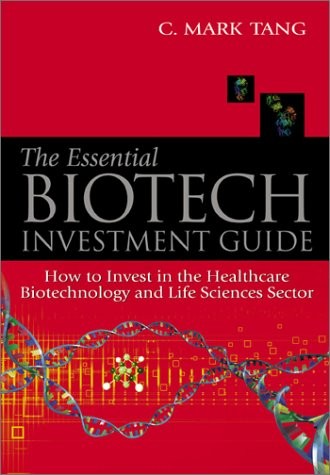
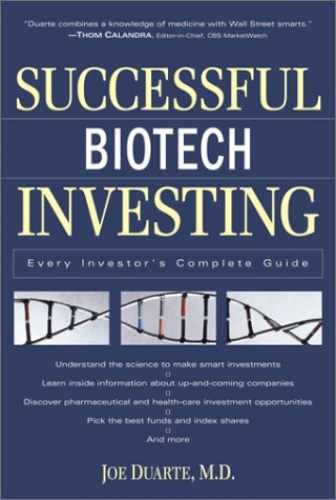
The strategic alliance between Takeda and Iambic Therapeutics is more than a corporate milestone; it is a blueprint for the future of the global economy. As San Diego cements its reputation as a “Tech-Bio” powerhouse, savvy observers are beginning to realize that the traditional boundaries between Silicon Valley and the life sciences have effectively vanished. For those looking to understand how these $1.7 billion deals are structured and why AI is suddenly the most valuable asset in a laboratory, gaining a deeper perspective on the business of biotech is no longer optional—it is a prerequisite for staying ahead of the curve.
Understanding the volatile yet rewarding landscape of pharmaceutical innovation requires a specialized knowledge base that goes beyond daily headlines. Whether you are an aspiring entrepreneur, a business professional, or an investor looking to capitalize on the San Diego innovation hub, the right resources can bridge the gap between technical complexity and market opportunity. Exploring the literature that defines this sector can provide the strategic clarity needed to navigate an industry where a single molecular breakthrough can reshape the healthcare landscape and generate historic returns.
To help you master the intricacies of this high-stakes field, we have curated a selection of essential guides and industry-leading insights. We invite you to explore these resources to sharpen your understanding of the trends driving the next decade of medical advancement. Don’t forget to join the conversation in the comments below with your thoughts on the AI revolution, and subscribe to the NewsBurrow newsletter to receive the latest breakthroughs and strategic analysis directly in your inbox.
Shop Products On Amazon
Shop Products on Ebay




Trending Similar Stories in the News
Novartis breaks ground on new global Biomedical Research center in San Diego to accelerate drug discovery Novartis...
Takeda, Iambic Launch Up-to-$1.7B AI Collaboration GEN - Genetic Engineering and Biotechnology News...
Trending Videos of Ai Drug Discovery San Diego



GIPHY App Key not set. Please check settings