

 David Goldberg
Table of Contents
Bay Du Nord Offshore Oil Agreement
Newfoundland Revives Oil Giant: Inside the Massive $14B Bay du Nord Deal
Bay du Nord offshore oil agreement marks a historic turning point for Newfoundland and Labrador, promising billions in revenue and a new era of deepwater exploration.
Newfoundland Revives Oil Giant: Inside the Massive $14B Bay du Nord Deal
By David Goldberg (@DGoldbergNews) | NewsBurrow News Network
The Supper-Hour Shockwave: St. John’s Reclaims Its Energy Crown
The air inside the Delta Hotel in St. John’s was thick with a tension usually reserved for election nights or Stanley Cup finals. As the clock struck the supper hour on March 2, 2026, Premier Tony Wakeham stepped onto the podium before 400 of the province’s most influential figures. With a sharp exhale and a steady gaze, he delivered the words the Rock had been waiting three years to hear: Newfoundland and Labrador is back in the game.
This wasn’t just a political speech; it was a resurrection. After Equinor and BP hit the “pause” button in 2023, citing the suffocating weight of global inflation, many feared the Bay du Nord project would become another ghost of the Atlantic. Instead, Wakeham revealed a finalized life-of-field benefits agreement that effectively re-opens the province’s shuttered industrial heart. The live-streamed announcement sent immediate ripples through the local economy, signaling that the “wait-and-see” era is officially over.
Critics had whispered that the transition to a Progressive Conservative government might stall negotiations, but the reality proved opposite. The new administration leveraged the project’s 2023 hiatus to renegotiate terms that lean heavily into provincial equity. It is a bold, high-stakes gambit. By securing a formal seat at the table, the province isn’t just collecting taxes; it is acting as a part-owner of its own destiny.
The “shock factor” here isn’t just the money—it’s the timing. While the rest of the world debates the sunset of fossil fuels, Newfoundland is doubling down on a 30-year horizon. This deal isn’t a mere extension of the status quo; it is a aggressive reclamation of the Flemish Pass Basin, a region once thought too deep and too expensive to conquer.
Mapping the Deep: Why the Flemish Pass is the New North Sea
Located a staggering 500 kilometers east of the capital, the Bay du Nord site sits in the treacherous but treasure-rich Flemish Pass Basin. This isn’t your grandfather’s offshore rig. We are talking about the province’s first true deepwater frontier, with initial reserves pegged at over 400 million barrels of light, sweet crude. The technical sheer of this project is mind-boggling, requiring subsea infrastructure that operates under crushing pressures at depths previously deemed unreachable.
To visualize the scale of the investment compared to previous provincial giants, consider the following data:
| Project Name | Water Depth (m) | Initial Reserve Est. (Million Barrels) | Investment Scale |
|---|---|---|---|
| Hibernia | 80 | 1,200 | Legacy Giant |
| Hebron | 93 | 700 | Standalone Heavy |
| Bay du Nord | 1,170 | 400+ | $14 Billion Deepwater |
The Flemish Pass represents a geological jackpot that Equinor and BP are betting $14 billion on. It is an entirely new basin, separate from the Jeanne d’Arc Basin that fed the province for decades. Unlocking this area is akin to finding a second “gold mine” just as the first one started to show its age. It provides a geographical hedge that ensures St. John’s remains the service hub for the North Atlantic well into the 2050s.
However, the deepwater nature of the project brings a new set of risks. The environmental stakes are exponentially higher when you are drilling over a kilometer down. A spill at these depths would be a logistical nightmare, a fact not lost on the vocal environmental lobby. The province is betting that the economic reward outweighs the technical peril, a narrative that will be tested as the 2027 Final Investment Decision approaches.
The $6.4 Billion Windfall: A Fiscal Lifeline for the Rock
For a province that has flirted with fiscal insolvency in the past decade, the projected $6.4 billion in direct revenue from Phase 1 is more than just a line item—it’s a lifeline. This revenue stream, comprised of royalties, corporate taxes, and the newly negotiated equity options, is designed to replenish the provincial coffers starting with “First Oil” in 2031. It is the kind of wealth injection that can fund hospitals, pave roads, and pay down the staggering per-capita debt that haunts the region.
The deal includes a sophisticated equity option, allowing the province—through its energy corporation—to hold a stake in the project. This means when Equinor and BP profit, the people of Newfoundland and Labrador profit directly as shareholders. It is a pivot toward the “Norwegian Model,” where resource wealth is treated as a long-term sovereign legacy rather than a short-term cash grab to balance a single year’s budget.
Let’s look at the projected revenue ramp-up through this ASCII visualization of the “Wealth Wave”:
Revenue ($ Billions)
^
|           ________ [2035 Peak]
|          /
|         /
|   / [2031 First Oil]
|  /
|/**_____________________> Time
2026      2031      2040
But here is the critique: we have seen this movie before. The “oil curse” is real. If the government uses this $6.4 billion to simply expand the public sector without diversifying the underlying economy, they are merely kicking the can down the road. The true test of the Wakeham administration will be whether they can transform this “black gold” into a “green future” through a sovereign wealth fund that outlives the last barrel of oil.
The Employment Engine: Thousands of Hard Hats and High-Tech Roles
Beyond the spreadsheets and royalties lies the human element: jobs. The Bay du Nord agreement isn’t just about oil; it’s about putting people back to work. The project is expected to generate thousands of construction jobs during the fabrication and installation phases. For the tradespeople of Marystown, Bull Arm, and Placentia, this represents the return of the “big project” era that defined the Hebron years.
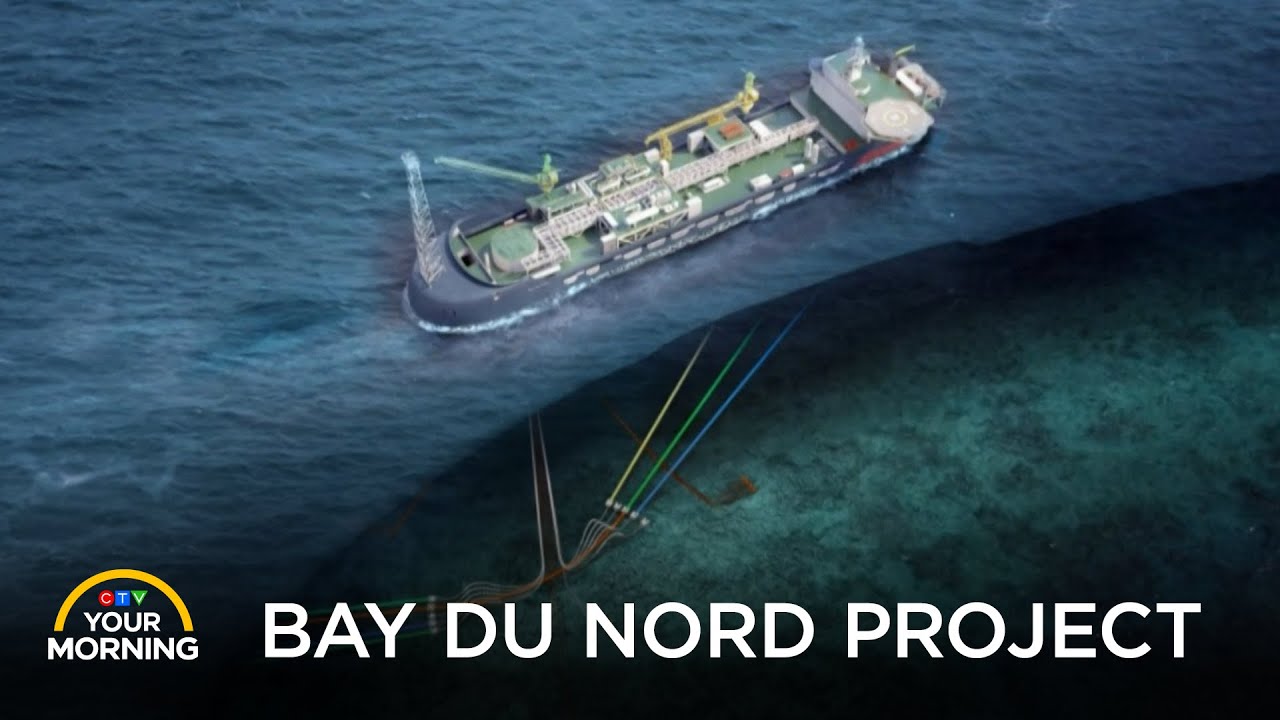
Once the project goes live in 2031, the focus shifts from hard hats to high-tech. Hundreds of long-term operational roles will be required to manage the sophisticated Floating Production, Storage, and Offloading (FPSO) vessel. These aren’t just manual labor positions; they are high-paying engineering, data analysis, and subsea robotics roles that could stem the “brain drain” of young Newfoundlanders heading to Alberta or Ontario.
- Peak Construction: Estimated 2,500+ direct jobs in the province.
- Operational Stability: 500+ permanent high-salary positions for 20+ years.
- Indirect Boost: Thousands of spin-off roles in catering, logistics, and marine transport.
- Local Content: Guaranteed manufacturing and fabrication hours within NL borders.
There is, however, a looming shadow: the driver and labor shortage affecting rural Newfoundland. As we have seen with school busing and fish plant modernization, the province is struggling to find enough workers for existing roles. Where will these thousands of construction workers come from? The project risks driving up local labor costs to a point where small businesses can no longer compete for talent, a side effect of the “boom” that often leaves local communities reeling.
The Carney Connection: Federal Support in a Green Transition
In a move that surprised many industry observers, Prime Minister Mark Carney reaffirmed federal support for Bay du Nord on March 15, 2026. This is a significant political pivot. Carney, known for his “Net Zero” advocacy, is framing the project as part of a “responsible energy development” strategy. The argument is that Bay du Nord’s light crude has a lower carbon footprint per barrel than heavier oils, making it the “preferred” fossil fuel during the global transition.
This federal blessing is the final hurdle that gives Equinor the regulatory certainty it needs to reach the 2027 Final Investment Decision (FID). By aligning the project with national GDP goals and energy security, the federal government has effectively insulated Bay du Nord from the more radical anti-oil policies that have stymied projects in Western Canada. It is a “Goldilocks” scenario: the project is big enough to matter, but “clean” enough to survive the political climate.
The “responsible energy” narrative, however, is being met with fierce resistance from environmental groups. They argue that “low carbon oil” is an oxymoron and that any new deepwater development is a step backward. The tension between the Delta Hotel supporters and the activists at the gates of Parliament remains the most explosive element of this story. Can a project truly be “green” while pulling 400 million barrels of carbon from the ocean floor? The public conversation is just beginning.
A 2031 Vision: The Countdown to the First Drop
The ink on the agreement is dry, but the clock is just starting to tick. The roadmap to 2031 is paved with critical milestones. Between now and 2027, Equinor will be in the “front-end engineering” stage—essentially the blueprints and stress-tests for the massive FPSO. If the Final Investment Decision is signed in 2027, the province will enter a four-year fever dream of construction and fabrication.
The ripple effect on St. John’s downtown will be immediate. We are already seeing council debates over new transit and housing proposals to accommodate the influx of workers and service companies. The Bay du Nord deal is acting as a catalyst for urban renewal, pushing the city to modernize its infrastructure before the first drop of oil even hits the tank. It is an “all-hands-on-deck” moment for municipal leaders.
As a reporter for NewsBurrow, I have seen many “game-changers” come and go. But Bay du Nord feels different. It is a project born of a pause, matured through inflation, and finalized through a change in government. It has the resilience of the people it serves. Whether it becomes the ultimate success story or a cautionary tale of environmental overreach remains to be seen, but for now, the energy in Newfoundland is undeniable.
What do you think? Is the $14B Bay du Nord deal the savior of the Newfoundland economy, or are we ignoring the environmental writing on the wall? Join the conversation in the comments below and let us know your take on the province’s deepwater future.
As Newfoundland and Labrador prepares for this historic leap into deepwater exploration, the focus on the ground is shifting from boardroom negotiations to the rigorous demands of offshore industrial reality. Operating 500 kilometers out in the North Atlantic’s Flemish Pass requires more than just high-level engineering; it demands a culture of uncompromising safety for the thousands of workers set to inhabit the Bay du Nord project sites. Whether you are part of the direct construction surge or supporting the specialized subsea supply chain, ensuring you have the right technical equipment is the first step toward a successful career in this revitalized energy sector.
To help our readers stay prepared for the upcoming industrial boom, the NewsBurrow team has curated a selection of professional-grade gear essential for high-stakes environments. High-quality protection is not just a regulatory requirement; it is your primary defense against the unpredictable elements of the Atlantic frontier. We invite you to explore these industry-standard solutions to ensure you are ready for the opportunities the Bay du Nord offshore oil agreement is bringing to our shores.
Stay ahead of the curve by subscribing to the NewsBurrow newsletter for exclusive project updates and career insights, and don’t forget to share your thoughts on the province’s safety standards in the comments below. Take a moment to browse the professional equipment featured below to ensure your readiness for the next decade of industrial growth.
Shop Products On Amazon
Shop Products on Ebay





Trending Similar Stories in the News
N.L. reaches deal with Equinor, BP to open the way for construction, production of Bay du Nord CBC...
Bay du Nord agreement advances responsible energy development in Canada Yahoo Finance...
Trending Videos of Bay Du Nord Offshore Oil Agreement


GIPHY App Key not set. Please check settings