

 Fatima Al-Hassan
Table of Contents
Springfield Ohio Haitian Immigrant Crisis
Springfield Under Siege: The Truth Behind New Threats and the Fight for Haitian TPS
Springfield Ohio Haitian immigrant crisis continues to escalate as renewed threats and legal battles over Temporary Protected Status grip the community.
By Fatima Al-Hassan (@FatiAlHassan)
The Shadow Over Springfield: February’s Climate of Fear
Springfield, Ohio, a city once defined by its industrial grit and Midwestern charm, has found itself thrust into a modern-day crucible. On the morning of February 9, 2026, the silence of a routine school day was shattered not by a bell, but by the chilling ping of an email. Threats, laced with vitriol and explicit demands to “get rid of the Haitians,” flooded the inboxes of local schools, courthouses, and municipal buildings. For a community still nursing the scars of 2024, the nightmare hadn’t just returned; it had evolved.
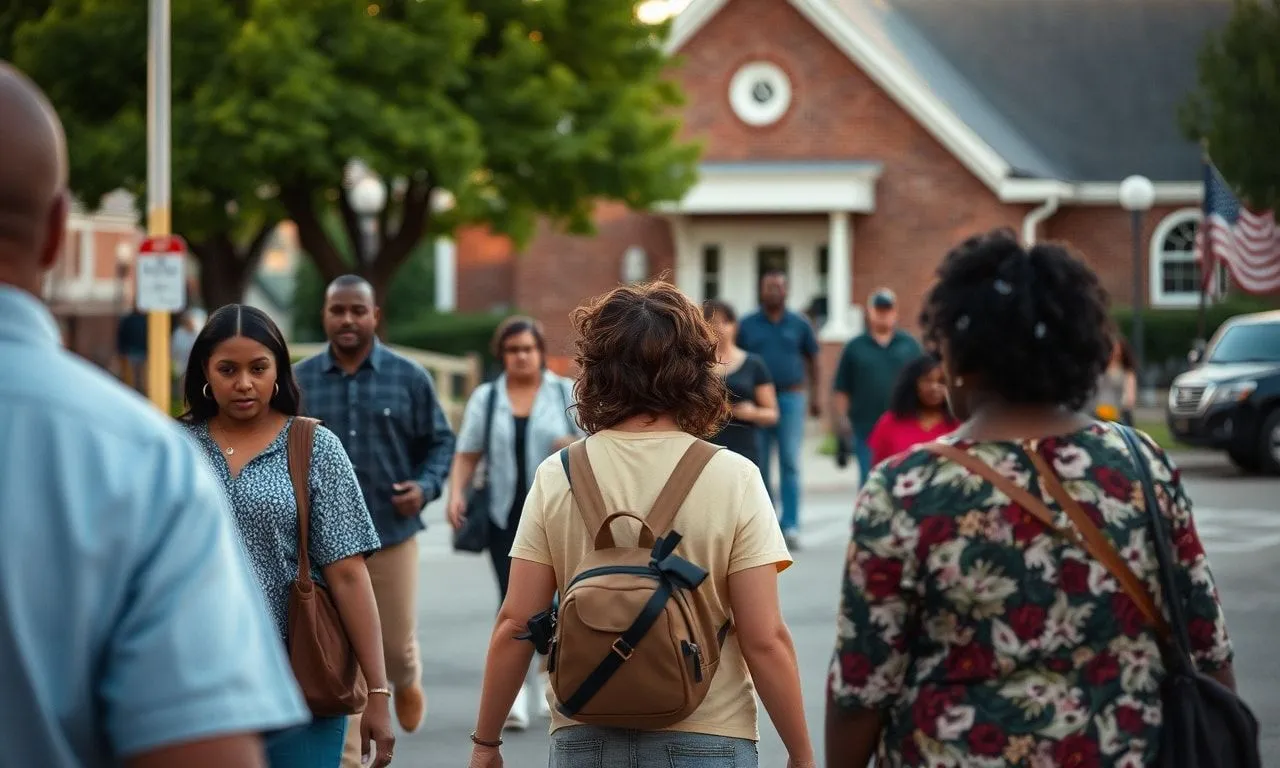
The streets of Springfield are currently a study in tension. Police cruisers sit idle at street corners, their lights flickering against the backdrop of closed storefronts. This isn’t just a security breach; it’s a psychological siege. Families who migrated here in search of the American Dream now keep their curtains drawn, whispering in Kreyòl about whether it is safe to walk to the grocery store. The air is thick with the heavy scent of uncertainty, a physical weight that every resident, immigrant or native-born, feels in their chest.
What makes this latest wave of hostility so jarring is its precision. Unlike the chaotic rumors of years past, these threats arrived with a calculated timing that suggests a deep understanding of the city’s schedule. The intent is clear: total paralysis. By targeting the very institutions that represent order and education, the anonymous agitators have attempted to strip Springfield of its normalcy. Yet, beneath the fear, a quiet defiance is beginning to simmer among the locals.
At NewsBurrow, we’ve observed that the “shock factor” here isn’t just the threats themselves—it’s the realization that a small town can be turned into a geopolitical chessboard in the blink of an eye. The question isn’t just about who sent the emails, but why Springfield remains such a potent lightning rod for national discord. As we dig deeper, the connection between local safety and federal policy becomes impossible to ignore.
The Judicial Shield: How February 2nd Changed Everything
Just one week before the bomb threats began, a different kind of explosion occurred—this one in a federal courtroom. On February 2, 2026, a federal judge issued a landmark ruling that temporarily halted the Trump administration’s plan to terminate Temporary Protected Status (TPS) for Haitians. The program was set to expire the very next day, on February 3. This judicial intervention acted as a sudden, sturdy shield for thousands who were essentially packing their bags for a journey into the unknown.
The ruling was the catalyst for a massive, emotional gathering at St. John Missionary Baptist Church. Over 1,000 supporters and immigrants filled the pews, their prayers echoing against the rafters. It was a moment of pure, unadulterated relief, but it also painted a target on the city. To those opposing the presence of the Haitian community, the judge’s decision was a provocation. The subsequent threats on February 9 appear to be a direct, violent “rebuttal” to the court’s protection.
This legal tug-of-war highlights a precarious reality: the lives of Springfield’s residents are currently being decided by a pendulum swinging between the judiciary and the executive branch. While the temporary block provides a breather, it is far from a permanent solution. It creates a state of “legal limbo,” where residents are legally allowed to stay but socially hunted by those emboldened by the political rhetoric surrounding the case.
The “shocking” takeaway here is the speed at which legal victories are met with physical intimidation. It suggests that in 2026, the courtroom is only half the battle. The other half is fought in the streets and on the servers of extremist groups who refuse to accept the rule of law when it conflicts with their agenda. For the Haitians of Springfield, the judge’s signature was a blessing that came with a heavy price tag of renewed public animosity.
Between Gangs and Grids: The ‘Death Sentence’ of Return
To understand the desperation in Springfield, one must look at the alternative. For many Haitian residents, the word “deportation” is synonymous with a “death sentence.” This isn’t hyperbolic rhetoric; it is a cold assessment of the situation in Port-au-Prince. With the island nation currently gripped by total gang hegemony, severe food shortages, and a complete collapse of the electrical grid, there is quite literally nothing to go back to but chaos.
Residents we spoke to described the harrowing choice of facing bomb threats in Ohio or facing a machete-wielding gang in Haiti. “In Springfield, I hide in my house,” one father told us under the condition of anonymity. “In Haiti, I have no house to hide in.” This visceral fear is what fuels the community’s resilience. They are staying not because it is easy, but because they have been backed into a corner by history and circumstance.
The psychological toll is manifesting in a new phenomenon: the “shadow life.” Similar to the climate of fear reported during ICE raids in Minneapolis, Springfield’s Haitian population is increasingly avoiding public parks, community centers, and even places of worship. This self-imposed isolation is a tragedy in a city that desperately needs social cohesion to thrive. When a portion of your population is too terrified to participate in the economy or the community, the entire city suffers.
We must ask ourselves: what does it say about the current state of the world when a city receiving bomb threats is considered the “safer” option? The contrast between the stability of the American Midwest and the volatility of the Caribbean has never been more stark, nor has the moral obligation of a host city been more fiercely debated. The “shock” is the realization that for these families, Springfield is the last lifeboat on a very stormy sea.
The G92 Smear: Dismantling the Human Trafficking Myth
In the digital age, a bomb doesn’t need gunpowder to cause damage; sometimes, a well-placed lie is enough. In mid-February, social media became a breeding ground for a particularly insidious rumor targeting the faith-based group Springfield G92 and Pastor Carl Ruby. Anonymous accounts on X and Facebook began accusing the group of fraud and, most disturbingly, human trafficking. The claims suggested that the church was “aiding and abetting” illegal activities under the guise of humanitarian aid.
Pastor Carl Ruby was quick to reject these baseless claims, but the damage was done. The rumor mill had successfully cast doubt on one of the few organizations providing genuine support to the immigrant community. These “GPT-style” misinformation campaigns are designed to be self-replicating, moving from fringe accounts to the mainstream in a matter of hours. By the time the debunking happened, the “G92 is trafficking” narrative had already been cited in several local protest circles.
At NewsBurrow, we’ve tracked the origin of these rumors to a familiar pattern of extremist “information warfare.” By attacking the helpers, agitators hope to isolate the immigrant community entirely. If people are too afraid to donate to or work with groups like G92, the support system collapses. It is a strategic strike disguised as a “public concern” or “whistleblowing,” and it is working to fray the city’s social fabric.
The table below highlights the disparity between the viral rumors and the verified facts regarding the G92 organization:
| The Rumor (Social Media Claims) | The Verified Fact (NewsBurrow Investigation) |
|---|---|
| G92 is engaged in human trafficking operations. | G92 is a registered non-profit providing legal aid and language classes. |
| Pastor Carl Ruby is profiting from federal grants. | Funding is transparent and directed toward community integration programs. |
| The group is secretly working with ICE to “tag” immigrants. | G92 operates independently of law enforcement to maintain trust. |
The Pet-Eating Ghost: Why 2024 Still Haunts 2026
It is impossible to discuss today’s crisis without acknowledging the “pet-eating” ghost of September 2024. What started as a single, unverified Facebook post by a local resident was amplified to a global audience of millions by political figures and the “End Wokeness” account on X. The claim—that Haitians were eating cats, dogs, and park ducks—was debunked by the City Manager, the Police Chief, and Governor Mike DeWine, yet it remains a staple of anti-immigrant rhetoric today.
The “shock” isn’t that people believed it; it’s that people *still* use it as a justification for violence in 2026. This original lie served as a permission structure for neo-Nazi groups like the Blood Tribe to march through Springfield. It turned the city into a playground for extremist theater. Even the woman who originally posted the rumor expressed regret, citing her own mixed-race background and lack of racist intent, but the genie could not be put back in the bottle.
The 2024 misinformation campaign caused real-world chaos: hospital lockdowns, school evacuations, and the deployment of state troopers. Today, we see the 2026 threats following the exact same blueprint. The “pet” rumors have morphed into “crime wave” rumors, despite police data showing that while some crimes rose slightly due to population growth, violent crimes like murder and rape actually declined. The narrative of “invader-as-threat” is a powerful tool that ignores data in favor of fear.
To visualize the impact of these rumors over time, consider the following ASCII representation of “Community Tension Levels” in Springfield:
Tension Level (1-10)

10 |         * (Sept 2024 Rumor Peak)         * (Feb 2026 Threats)
 9 |        *** ***
 8 |       ***** *****
 7 |      ******* *******
 6 |     ********* *********
 5 |    *********** ***********
 4 |   ************* *************
 3 |  *************** (Recovery Period) ***************
 2 | ***************** *****************
 1 |_______________________________________________________
     2024          2025                  2026
Revitalization vs. Animus: The Economic Heartbeat
Behind the headlines of threats and court cases lies a surprising economic reality. Over 20,000 Haitians have arrived in Springfield in recent years, and while this has strained public services, it has also provided an essential labor force for a city that was previously in a state of terminal decline. Local manufacturing plants and warehouses, once struggling to fill shifts, are now operating at full capacity thanks to the new arrivals.
The “shock factor” for the anti-immigrant crowd is that these individuals are actually saving the town’s tax base. However, this success has created a secondary crisis: housing. The influx of people has driven up rent prices, leading to friction with long-term residents who feel priced out of their own neighborhoods. This is a classic economic struggle being misdiagnosed as a racial one. The problem isn’t the people; it’s the lack of infrastructure to support the growth.
Business owners in Springfield find themselves in a delicate position. Many rely on Haitian labor to stay open but fear public backlash if they speak out in support of the community. “If I put up a ‘Haitians Welcome’ sign, I get a brick through my window,” one shop owner told NewsBurrow. “If I don’t hire them, I can’t fill my orders.” This economic catch-22 is the quiet undercurrent of the Springfield crisis, where prosperity and prejudice are locked in a stalemate.
The data suggests that the “Haitian influx” is a net positive for the city’s long-term survival, but the short-term growing pains are being weaponized by outsiders. If Springfield can move past the animus, it could become a model for Midwestern revitalization. If it can’t, it risks becoming a cautionary tale of how misinformation can burn down a city’s future to satisfy a temporary political grudge.
Fortifying the Future: A Survival Guide for Springfield
As the siege continues, residents are looking for practical ways to navigate the unrest. Resilience isn’t just an abstract concept; it’s about having a plan. Whether you are an immigrant family or a lifelong resident, staying safe in a climate of bomb threats and social media frenzy requires a focus on verified information and community connection. The goal of the agitators is isolation; the antidote is solidarity.
NewsBurrow has compiled a list of actionable steps for Springfield residents to fortify their community and personal safety during this period of heightened tension:
- Verify Before You Share: Never repost a local “crime story” or “rumor” unless it has been confirmed by the Springfield Police Department or a reputable local news outlet.
- Support Local Business: Intentionally shop at stores that have been targeted by threats. Your dollar is a vote for stability.
- Report Extremist Activity: If you see neo-Nazi flyers or organized extremist gatherings, report them to the FBI’s tip line rather than engaging with them directly on the street.
- Join Interfaith Networks: Groups like G92 and St. John Missionary Baptist Church offer bridge-building events that humanize neighbors to one another.
- Emergency Alerts: Ensure you are signed up for Clark County’s emergency notification system to receive real-time updates on school closures or public safety threats.
The path forward for Springfield is narrow, but it is visible. It requires a rejection of the “shock theater” provided by national agitators and a return to the gritty, practical problem-solving that Midwesterners are known for. The “siege” only works if the people inside the walls turn on each other. As we watch the brave residents of Springfield stand their ground, it becomes clear that the truth is the most powerful weapon in their arsenal.
Join the Conversation: Your Voice Matters
What is happening in Springfield is more than just a local news story; it is a preview of the challenges facing many American towns in the coming years. How should a community balance economic growth with rapid cultural change? How can we protect the rule of law when it is met with anonymous violence? These are the questions of our time, and the answers are being written in the heart of Ohio.
We want to hear from you. Do you believe the federal government should do more to support cities like Springfield during these transitions? Or do you think the responsibility lies solely with local leaders? Have you experienced the impact of viral misinformation in your own town? The “shock” of Springfield should be a wake-up call for all of us to examine our own communities before the next rumor takes hold.
Don’t let the noise drown out the truth. Share this article, leave a comment below, and join the NewsBurrow community as we continue to shine a light on the human stories behind the headlines. Together, we can build a more informed and resilient society. Springfield is standing strong—are you standing with them?
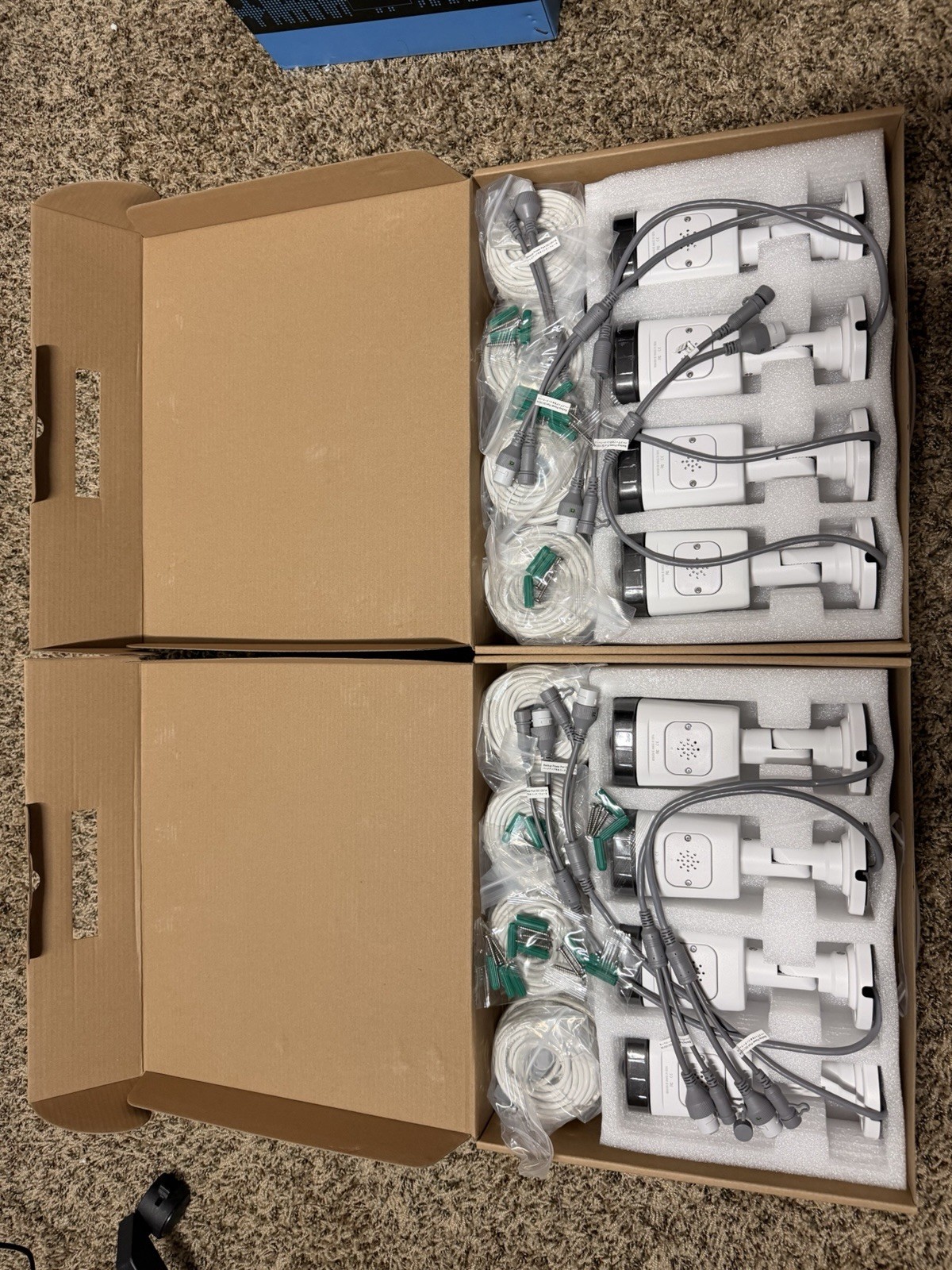
As the atmospheric tension in Springfield reaches a fever pitch, the psychological toll on local households is becoming as significant as the political debate itself. While the community rallies at churches and civic centers to defend the city’s social fabric, the reality of anonymous threats and nighttime uncertainty has many families reconsidering their own immediate safety measures. For those living in the heart of this crisis, the priority has shifted from watching the news to actively fortifying the sanctuary of their own front doors.
The transition from a peaceful Midwestern neighborhood to a headline-grabbing flashpoint often happens overnight, leaving little time for reactive planning. In an era where digital misinformation can manifest into physical protests or targeted harassment, taking proactive steps to secure your property is no longer seen as an overreaction, but as a standard of modern living. Residents are increasingly looking for ways to regain a sense of control over their environments while the legal battles over TPS and immigration policy continue to play out in the distant halls of power.
To help our readers navigate these turbulent times, we have curated a selection of highly-rated resources designed to provide peace of mind and real-time awareness for your household. We invite you to join the conversation in the comments below to share how your neighborhood is staying vigilant, and don’t forget to subscribe to the NewsBurrow newsletter for the latest boots-on-the-ground reporting from Springfield. Take a moment to explore these essential tools for personal and property protection to ensure your family remains safe regardless of the headlines.
Shop Products On Amazon
Shop Products on Ebay







Trending Similar Stories in the News
The Ohio grandma racing to help Haitian parents protect children as more deportations near The 19th News...
Ohio city stands up to Trump’s ‘attitude of hate’ toward Haitian community The Guardian...
Trending Videos of Springfield Ohio Haitian Immigrant Crisis



GIPHY App Key not set. Please check settings