

 Chief Editor
Table of Contents
Wichita Fire Station Mold Crisis
Wichita Fire Station Mold Crisis: 20 Stations Impacted as Crews Evacuated Ahead of Sales Tax Vote
Wichita Fire Station mold crisis has reached a breaking point as crews are forced out of hazardous facilities just weeks before a critical vote on public safety funding.
Wichita Fire Station Mold Crisis: 20 Stations Impacted as Crews Evacuated Ahead of Sales Tax Vote
By Aiden Hughes | @AidenReports
Published February 19, 2026
The Sunday Afternoon Shocker: Chaos at Station 15
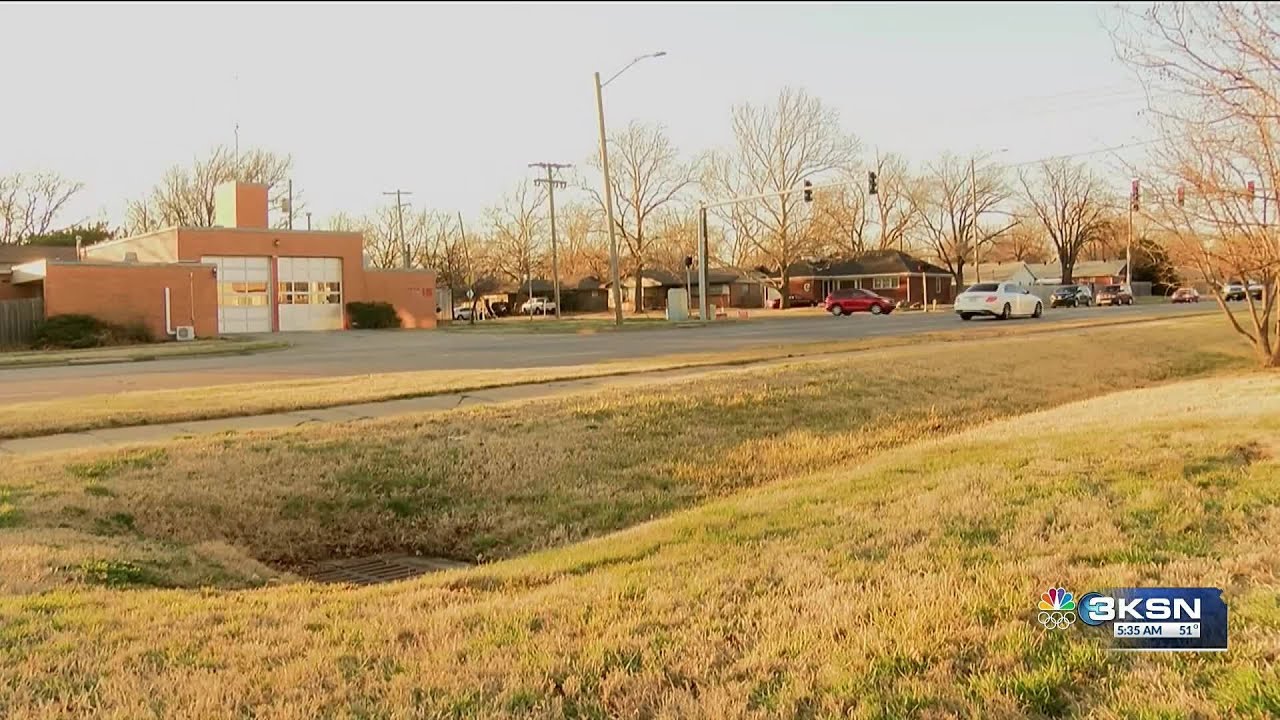
It started with a persistent itch in the throat and eyes that wouldn’t stop watering. By Sunday afternoon, the atmosphere inside Wichita Fire Station 15 at Lincoln and Rock Road had turned toxic. What was supposed to be a routine ceiling tile replacement quickly spiraled into an emergency evacuation as firefighters reported acute physical distress. The department’s medical chief made a call that many veterans say is unprecedented: shut it down. Immediately.
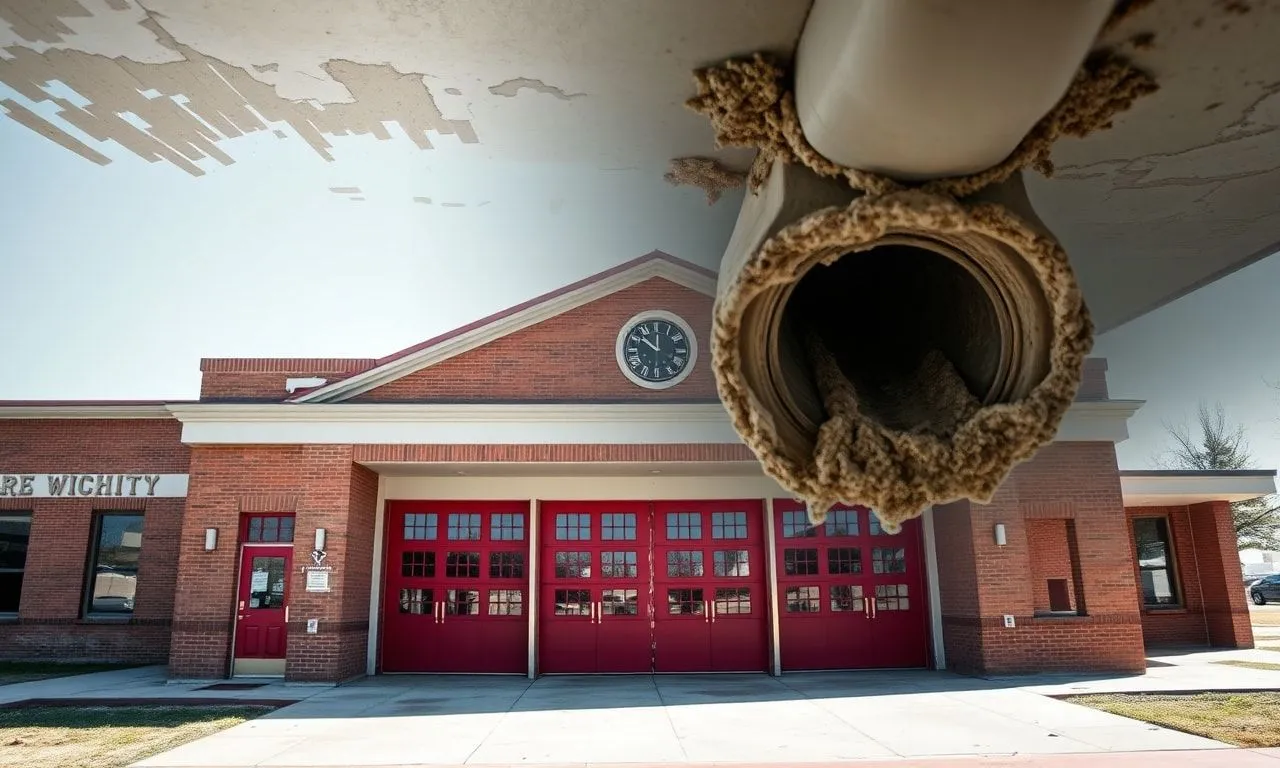
Crews were scrambled, gear was packed into trucks, and the doors to one of the city’s busiest hubs were shuttered. The culprit? A hidden colony of mold that had been festering behind 1960s-era ductwork, released into the breathing zone during remediation efforts. For the men and women who run toward the fire, the most dangerous threat was the very air they breathed while they slept.
The displacement of Station 15’s crew to nearby Stations 20 and 9 isn’t just a logistical headache; it’s a localized public safety nightmare. Residents in East Wichita now face the reality of potentially longer response times. In a profession where every second counts, the distance between a temporary bunk and a resident’s front door could be the difference between a save and a tragedy.
A Pandemic of Decay: 20 Out of 22 Stations Under Siege
If Station 15 was the breaking point, the rest of the department is the ticking time bomb. Vice Mayor Dalton Glasscock shocked the community this week by revealing that mold isn’t an isolated incident—it has been confirmed in 20 of Wichita’s 22 fire stations. The data suggests a systemic failure of infrastructure management that spans decades. The “Wichita Fire Station mold crisis” is no longer a localized issue; it is a department-wide epidemic.
Air sampling reports have painted a grim picture, identifying a “Mount Rushmore” of hazardous fungi: Aspergillus, Penicillium, Cladosporium, and the dreaded Stachybotrys, commonly known as black mold. While some city officials suggest the Sunday irritation was caused by dust or insulation, the presence of black mold in at least three stations—11, 13, and 15—remains an undeniable health hazard.
The State of Wichita’s Fire Infrastructure (2026 Audit)
| Station Number | Year Built | Facility Condition Index (FCI) | Status / Findings |
|---|---|---|---|
| Station 15 | 1963 | 51% (Critical) | EVACUATED – Black Mold Found |
| Station 8 | 1964 | 40% (Critical) | |
| Station 11 | 1968 | 55% (Critical) | Black Mold Found |
| Station 13 | 1970s | 38% (High Risk) | Black Mold Found |
*Note: An FCI score higher than 30% is considered a critical infrastructure risk.
The Human Toll: When the Protectors Need Protection
First responders are accustomed to the hazards of smoke and chemical runoff, but the “first responder health risks mold exposure” represents a different kind of occupational peril. Living in a mold-infested firehouse means 24-hour exposure to spores that can cause chronic respiratory issues, fungal infections, and severe allergic reactions. For the firefighters at Station 15, the “burning eyes” were just the warning shot.
The IAFF Local 135 has been banging the drum for better living conditions for nearly a decade. Union President Ted Bush described the conditions as a failure of basic duty to those who serve. “We’ve been putting Band-Aids on bullet wounds,” one veteran firefighter noted anonymously. “You can’t expect people to perform at 100% when they’re hacking up lungs in their own bunk rooms.”
Beyond the physical symptoms, there is a morale crisis brewing. Being forced into “temporary housing” at other stations means overcrowded bunk rooms and strained resources. The psychological toll of knowing your “home away from home” is making you sick is a burden Wichita’s bravest shouldn’t have to carry.
Proposition 1: The $225 Million Question on the Ballot
The timing of this crisis has set the political stage on fire. On March 3, 2026, Wichita voters will head to the polls for a special election on “Proposition 1,” a 1% citywide sales tax. Of the $850 million projected to be raised over seven years, a massive $225 million is earmarked specifically for “Wichita public safety infrastructure funding.”
This funding is intended to build new stations, remediate mold, and replace ancient equipment. However, the sudden escalation of the mold crisis has left some voters skeptical. Is this a genuine emergency, or is the timing—just weeks before a major tax vote—a calculated move by city leadership to push a “Yes” vote? The skepticism is palpable on local forums, with some calling it a “last-minute tactic.”
Regardless of the politics, the numbers are stark. The city’s current budget is heavily weighted toward personnel (91%), leaving a measly fraction for the actual buildings that house them. Proposition 1 represents a fundamental shift in how Wichita intends to bankroll its safety net.
    ESTIMATED PROPOSITION 1 FUNDING ALLOCATION (Millions)

    Public Safety (Fire/Police) : [||||||||||||||||||] $225M
    Convention Center Expansion : [||||||||||||||||||||] $250M
    Property Tax Relief         : [||||||||||||] $150M
    Homeless/Housing Services   : [||||||||||||] $150M
    Performing Arts Center      : [||||||] $75M
Shock Factor: The Whistleblower and the Hidden Reports
Here is where the story takes a darker turn. Vice Mayor Glasscock reportedly learned about the full extent of the mold crisis not from an official briefing, but from a whistleblower who leaked a confidential mold report over the weekend. This revelation suggests that the “Wichita City Council fire station remediation costs” and the extent of the damage may have been known long before the public was alerted.
Why was Station 15 allowed to deteriorate to the point of emergency evacuation? Why were ceiling tiles being replaced while crews were still inside if the mold risk was already documented? The “shock factor” here isn’t just the mold—it’s the potential lack of transparency. If the city knew 20 stations were compromised, why did it take a firefighter’s burning throat to trigger action?
This lack of communication has fueled a firestorm of public debate. Some residents are rightfully asking if other city buildings—like schools or community centers—are suffering from the same “deferred maintenance” rot. The mold in the fire stations may just be the tip of a very large, very damp iceberg.
Operational Gaps: Protecting the East Side from a Distance
With Station 15 empty, the map of Wichita’s emergency coverage has a gaping hole. The city has implemented a “reassignment plan” to cover the East Side, but logistics don’t lie. Moving crews to Stations 20 and 9 means longer travel times for calls that used to be minutes away. For a heart attack or a structure fire, those extra minutes are the difference between life and death.
The city’s Public Works staff is currently working to hire an environmental hygienist for a “second opinion,” but remediation in a 60-year-old building is never simple. The 1960s-era ductwork acts as a highway for spores, meaning a simple cleaning might not be enough. The “Wichita Fire Station mold crisis” could see Station 15 out of commission for months, if not permanently.
Residents in the Lincoln and Rock Road area are now living in a “safety shadow.” While the union supports the evacuation for the health of its members, they remain deeply concerned about the service gap. The department’s Class 1 fire suppression rating—the highest possible—is now being tested by the very walls that house its engines.
The Verdict: A City at a Crossroads
As the March 3rd deadline approaches, Wichita finds itself in a classic “Catch-22.” Voting “No” on Proposition 1 might send a message about government transparency and budget mismanagement, but it leaves 20 fire stations rotting from the inside out. Voting “Yes” provides the cash, but rewards a system that allowed the crisis to reach a boiling point.
The “Wichita Fire Station mold crisis” is a visceral reminder that infrastructure isn’t just about roads and bridges—it’s about the air in our firehouses and the speed of an ambulance. As the mold remediation continues, the political remediation is just beginning. Wichita’s firefighters are waiting in temporary bunks to see if their city will finally give them a safe place to rest between the alarms.
What do you think? Is the timing of this evacuation a political play, or a long-overdue emergency response? Join the conversation below and let your voice be heard before the March 3rd vote. Your safety might just depend on it.
The alarming revelations surrounding the Wichita Fire Station mold crisis have sent ripples of concern far beyond the station walls, prompting residents to look more closely at their own environments. With toxic black mold confirmed in nearly every station, the reality that hazardous fungi can thrive undetected in even the most essential public buildings is a sobering wake-up call for homeowners. If professionally maintained city facilities can fall victim to such extensive contamination, it raises a critical question about the air quality in our private residences, especially in older neighborhoods prone to moisture and aging infrastructure.
Public safety begins with awareness, and the health symptoms reported by our local heroes—burning eyes, respiratory distress, and fatigue—are identical to those often misdiagnosed as seasonal allergies in the home. Early detection is the most effective weapon against structural decay and long-term health complications, yet many families remain unaware of the invisible spores sharing their living spaces. Understanding your home’s baseline air quality is no longer just a maintenance task; it is a vital step in protecting your family from the same hazards currently displacing our first responders.
At NewsBurrow, we believe that informed citizens are empowered citizens, and we are committed to providing you with the tools to stay safe in an ever-changing environment. We invite you to join our community by subscribing to the NewsBurrow newsletter for the latest investigative updates and sharing your own experiences with local air quality in the comments below. Take a proactive stance on your household health today by exploring professional-grade solutions that bring the power of detection directly into your hands.
Shop Products On Amazon
Shop Products on Ebay









Trending Similar Stories in the News
Wichita fire station shutdown due to mold exposure, vice mayor says KAKE...
Wichita fire station evacuated due to mold exposure KSN-TV...


GIPHY App Key not set. Please check settings