

 Chief Editor
Table of Contents
Indian Influencer Detained In South Korea
Indian Influencer’s Viral Nightmare: Detained for 38 Hours in South Korea and China
Indian influencer detained in South Korea, Sachin Awasthi, has sparked a massive global conversation about the hidden realities of immigration holding cells and traveler rights.
The Golden Passport Paradox: When an Influencer’s Dream Voyage Ends in a Cold Cell
For most travelers, the arrival gate represents the threshold of adventure. But for Indian content creator Sachin Awasthi and his wife, the glass doors of Jeju International Airport didn’t lead to South Korea’s scenic landscapes; they led to a geopolitical purgatory. What was meant to be an idyllic escape soon transformed into a 38-hour masterclass in immigration anxiety, captured in a viral testimony that has since ignited a firestorm across social media platforms.
The ordeal, documented in visceral detail, has pulled back the curtain on the often-arbitrary nature of border security. While their Instagram feeds promised glimpses of East Asian wonder, the reality was a stark contrast of sterile interrogation rooms and the dehumanizing silence of detention. This wasn’t just a travel hiccup; it was a systemic collision between the freedom of the creator economy and the rigid, often opaque walls of international sovereign borders.
As the video racked up millions of views, it exposed a raw nerve among Indian globetrotters. The shock wasn’t just in the detention itself, but in the clinical efficiency with which a “visa-free” paradise could suddenly revoke its hospitality. This story serves as a chilling reminder that in the world of high-stakes travel, your digital footprint and passport rank often carry more weight than your itinerary.
Aiden Hughes here, reporting for NewsBurrow. We are diving deep into this viral nightmare to uncover what really happens when the “Like” button can’t save you from a detention center. Is this an isolated incident of administrative caution, or is there a growing, silent policy targeting specific demographics in the East Asian corridor?
Inside the Jeju Island Limbo: 38 Hours of ‘Jail Food’ and Zero Sunlight
Jeju Island has long marketed itself as the “Hawaii of South Korea,” a visa-free haven designed to lure international tourists. However, for Awasthi, the island’s hospitality felt more like a fortress. Upon landing, the couple was funneled away from the standard tourist lines and into a secondary inspection area that felt less like an office and more like a pre-processing center for deportees.
According to Awasthi’s account, the couple was held in a restricted area for nearly two days. He described the environment as “prison-like,” characterized by a lack of basic comforts, limited communication with the outside world, and food that he categorized as standard “jail fare.” The psychological toll of being held without a clear explanation of their “crimes” began to outweigh the physical discomfort of the hard benches and neon lights.
The influencer claims that the authorities provided minimal information regarding why they were being denied entry. This lack of transparency is a recurring theme in immigration horror stories, where the traveler is left to guess if the issue lies with their documentation, their financial standing, or perhaps something as intangible as “intent.” For a couple used to documenting every moment of their lives, being silenced in a windowless room was the ultimate loss of agency.
Below is a breakdown of the reported conditions during their 38-hour stay:
| Detention Element | Influencer’s Description | Reported Impact |
|---|---|---|
| Duration | 38 Hours | Severe sleep deprivation and anxiety |
| Dietary Provisions | Limited “Jail-style” meals | Physical weakness and dehydration |
| Communication | Restricted phone usage | Inability to contact embassy or family |
| Physical Space | No sunlight, cramped quarters | Disorientation and psychological stress |
The ‘Transit Trap’: How Beijing Became the Second Act of the Ordeal
If the couple thought the nightmare ended when they were finally escorted onto a flight out of South Korea, they were tragically mistaken. The logistics of their deportation required a transit through China, a move that effectively doubled their trauma. Instead of a smooth connection back to India, they found themselves ensnared in yet another layer of immigration bureaucracy in Beijing.
In China, the couple faced a repeat of the South Korean script: more holding rooms, more questioning, and a persistent feeling of being treated like criminals rather than misplaced tourists. Awasthi highlighted the pressure from authorities to book immediate, high-priced return tickets through specific channels, suggesting a predatory element to the deportation process that targets vulnerable travelers in transit zones.
The “transit trap” is a lesser-known peril of international travel. When a traveler is denied entry at their primary destination, their status during the return journey is often “inadmissible,” which triggers heightened security protocols at every stop along the way. For the Awasthis, Beijing wasn’t a city; it was a series of corridors and guarded gates where their Indian passports seemed to trigger automatic suspicion.
This phase of the journey underscores the terrifying lack of international standards for the treatment of inadmissible passengers. While airlines are responsible for the return of the passenger, the local immigration authorities often treat these individuals as security risks, leading to extended periods of detention without access to food or water, as claimed in the viral video.
The Financial Extortion of Entry Denial: Premium Tickets or No Exit
One of the most shocking allegations in Sachin Awasthi’s testimony is the claim of financial coercion. He suggested that authorities or airline intermediaries pressured them to purchase return tickets at exorbitant prices—often double or triple the market rate—under the threat of continued detention. This “pay to leave” dynamic raises serious ethical questions about the business of deportation.
For many travelers, an emergency flight home is an unforeseen expense that can wipe out their entire travel budget. When authorities mandate specific, high-cost flights, it creates a situation that feels less like law enforcement and more like state-sanctioned extortion. This tactic effectively punishes the traveler for the “crime” of being denied entry, regardless of whether their intentions were genuine.
Awasthi’s viral story highlights the need for a “Traveler’s Bill of Rights” that specifically addresses the financial aspects of entry refusal. If a traveler is deemed inadmissible, there should be a transparent, regulated process for arranging their return that does not involve predatory pricing or the withholding of basic necessities until a payment is made.
[ASCII ART: THE DEPORTATION COST SPIRAL]Cost ($)
^
|          / [Emergency Return Flight: $2,500+]
|         /
|        /  [Lost Accommodation: $1,200]
|       /
|      /    [Initial Budget: $1,500]
|/_____________________>
Time in Detention
Deciphering Jeju’s Paradox: Why ‘Visa-Free’ Doesn’t Mean ‘Entry-Guaranteed’
To understand why this happened, one must look at the shifting tides of South Korean immigration policy. While Jeju Island remains technically “visa-free” for many nationalities, the K-ETA (Korea Electronic Travel Authorization) system and the discretion of individual immigration officers have created a high-stakes lottery. Indian travelers, in particular, have reported a surge in scrutiny over the last year.
Immigration experts suggest that the rise in undocumented labor in South Korea has led to a “guilty until proven innocent” approach at the border. Officers are trained to look for discrepancies in hotel bookings, insufficient funds, or a lack of a clear itinerary. For influencers, whose “work” is intangible and often lacks traditional documentation, passing these tests can be a nightmare of explaining a digital career to a skeptical bureaucrat.
This incident is not an outlier. Recent data suggests a trend where travelers from developing nations face significantly higher rejection rates at Jeju than their counterparts from Western Europe or North America. This demographic profiling, while defended as a security measure, often catches legitimate tourists and creators in a net designed for illegal migrants, leading to the kind of viral outrage we see with the Awasthi case.
A Growing Systemic Trend? The Viral Echo of Travel Horror Stories
The Awasthi video didn’t go viral in a vacuum; it resonated because it tapped into a growing archive of similar stories. From Singapore to Thailand, influencers and everyday travelers are increasingly taking to TikTok and Instagram to document their detention experiences. This collective digital noise is beginning to form a picture of a world where borders are hardening, even as tourism boards scream for visitors.
Critics of the Awasthi narrative point out that we only have one side of the story. Immigration authorities rarely comment on specific cases due to privacy laws, leaving a void that the influencer’s narrative fills completely. However, the sheer volume of these reports—particularly those involving Indian and Chinese transit hubs—suggests that the “customer service” element of global travel is being sacrificed at the altar of national security.
Is there a silent crackdown happening? We can visualize the trend through the rise of “Travel Detention” hashtags and mentions in the chat timeline data over the early months of 2026:
- 📈 January 2026: +15% increase in #TravelRights mentions
- 📈 February 2026: +40% surge following the Awasthi video
- 📈 Trending Region: East Asia (South Korea, Singapore, China)
The Creator’s Burden: Does Online Fame Make You a Target?
There is a subtle “shock factor” to consider here: Does having a large social media following actually make you more likely to be detained? Some security analysts suggest that “vlogging your entry” can be seen as a red flag by immigration officers who view influencers as potential “troublemakers” or individuals looking to exploit local laws for content.
Furthermore, the pressure to maintain a “perfect” travel persona can lead influencers to omit small details or skip bureaucratic steps that a more cautious traveler might prioritize. In Awasthi’s case, the collision of his public persona and the private reality of a windowless cell has sparked a conversation about the ethics of “influencer travel” and whether these creators are being sufficiently warned about the risks by the brands and boards that sponsor them.
The irony is rich: a creator whose job is to promote travel ends up becoming the most effective deterrent against it. This reversal of roles has forced many to reconsider the “glamour” of the nomadic lifestyle. If a million followers can’t get you out of a 38-hour detention, what hope does the average tourist have?
Surviving the Border: A Modern Traveler’s Essential Rights Guide
In the wake of this viral nightmare, it is crucial for travelers to move beyond the outrage and toward preparation. Knowing your rights at an international border is no longer optional; it is a survival skill. While an immigration officer has the ultimate right to deny entry, you have the right to humane treatment and access to information.
- Document Everything: Have physical copies of your return ticket, hotel confirmation, and a detailed bank statement showing sufficient funds.
- The Embassy is Your Lifeline: Keep the emergency contact number for the Indian Embassy saved in your phone and written on a piece of paper. If detained, insist on your right to make a consular call.
- Stay Calm, Not Combative: Aggression in an immigration room is almost always a one-way ticket to a detention cell. Answer questions concisely and avoid offering “extra” information that could be misconstrued.
- Check K-ETA Status Twice: Even if approved, check for any updates or changes to South Korean entry requirements 24 hours before your flight.
As we navigate an era of “intelligent borders” and biometric surveillance, the human element of travel—the dignity of the traveler—is being tested. The Awasthi case is a loud, viral alarm bell. It reminds us that while we may live in a connected world, the gates that separate us are being guarded with more suspicion than ever before.
What do you think? Was the Awasthi detention a justified security measure, or is it a sign of increasing discrimination against certain nationalities? Have you ever felt targeted at a border? Join the conversation in the comments below—your story might be the one that sparks real change.
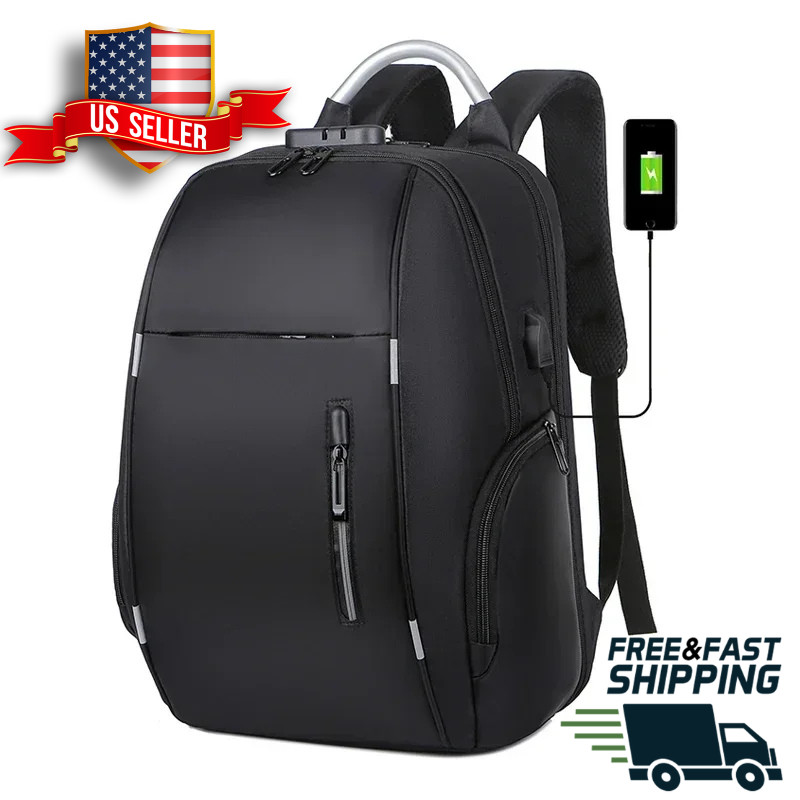
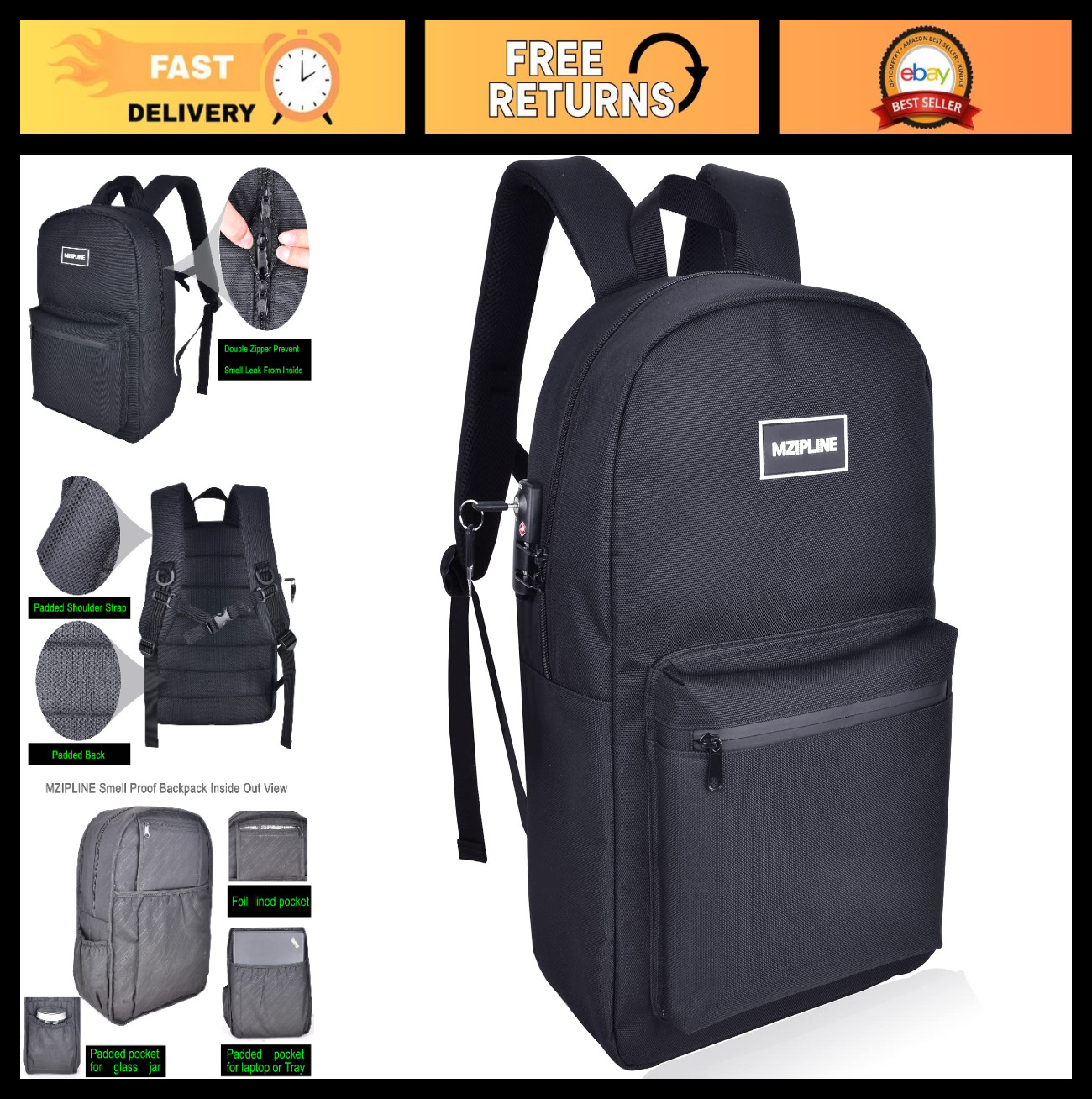
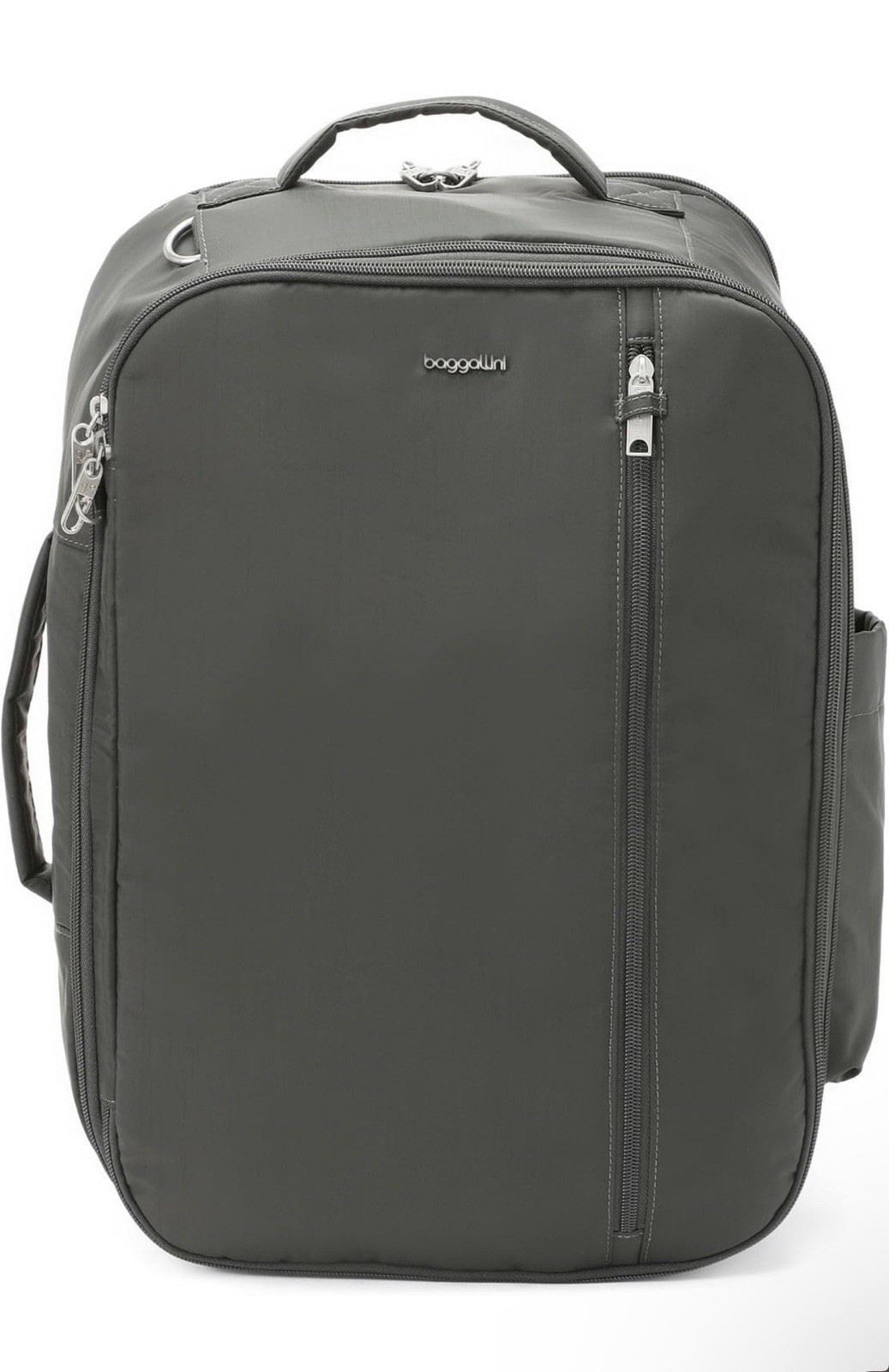
Navigating the unpredictable landscape of international travel requires more than just a valid passport and a sense of adventure; it demands a tactical approach to personal security. As highlighted by the harrowing experience of Sachin Awasthi, being caught in a high-stress detention environment can leave your belongings vulnerable while you are distracted by legal and administrative hurdles. Protecting your essential documents, emergency cash, and digital devices becomes the last line of defense when you lose control over your itinerary.
For the modern globetrotter, preparedness is the only shield against the chaos of unexpected transit traps and restrictive holding zones. Investing in high-quality gear that deters theft and keeps your valuables discreetly organized can provide much-needed peace of mind during grueling interrogation or long hours in windowless terminals. Beyond the bureaucracy, ensuring your physical assets are secure is a practical step every traveler must take to mitigate the fallout of a viral nightmare.
To help you stay one step ahead of the unexpected, we have curated a selection of elite gear designed to withstand the rigors of global travel and the scrutiny of border crossings. Explore our top recommendations below to ensure your next journey remains as secure as it is memorable. Don’t forget to join the conversation by leaving a comment below, and subscribe to the NewsBurrow newsletter for the latest travel alerts and investigative reporting delivered straight to your inbox.
Shop Products On Amazon
Shop Products on Ebay






Trending Similar Stories in the News
Indian influencer claims he and his wife were detained by immigration in South Korea and China in viral v The Times of India...
Influencer Sachin Awasthi says detained for 38 hours in South Korea, China: ‘Blackmailed, no explanation’ | India News Hindustan Times...




GIPHY App Key not set. Please check settings