

 Ryan Chen
Table of Contents
Nigeria Electric Vehicle Policy Expansion
Tinubu Triggers Green Revolution: Nigeria Expands PiCNG to Include Electric Vehicles
Nigeria Electric Vehicle Policy Expansion under President Tinubu marks a historic leap toward sustainable transport and reduced fuel dependency.
Tinubu’s Electric Pivot: The Bold Rebranding of Nigeria’s Energy FutureBy Ryan Chen (@RChenNews) Technology and Innovation Reporter, NewsBurrow News Network
For decades, Nigeria has been shackled to the volatile swings of global oil prices. The removal of the fuel subsidy was the first blow of the hammer; this new Nigeria Electric Vehicle Policy Expansion is the blueprint for the house that comes next. By merging the immediate cost-relief of gas with the long-term sustainability of electricity, the administration is betting on a dual-track recovery. It is a high-stakes gamble that seeks to leapfrog traditional development hurdles and place Nigeria at the vanguard of the African green revolution.
The announcement, delivered with clinical precision by Special Adviser Bayo Onanuga, confirms that the mandate now explicitly anchors the development, rollout, and investment in EV charging infrastructure. We are witnessing the birth of a unified clean mobility strategy. No longer will gas and electric interests compete for the soul of the Ministry of Transportation; they are now two cylinders in the same engine of progress.
The Integrated Blueprint: Why This Merger Changes Everything
This integration solves the “chicken and egg” problem that has plagued the President Tinubu PiCNG EV mandate. Investors were hesitant to bring EVs to Nigeria without charging stations, and the government was hesitant to build stations without vehicles on the road. By folding EVs into the existing CNG infrastructure rollout, the government is providing an immediate, visible platform for growth. It’s a hybrid approach that acknowledges Nigeria’s current gas riches while preparing for a cordless future.
Furthermore, the mandate oversees a comprehensive vehicle conversion program. Imagine a fleet of commercial “danfos” or “korope” buses being fitted not just for gas, but for modular electric drivetrains. This is about more than just climate change; it is about economic sovereignty. By diversifying the energy source of the national fleet, Nigeria insulates itself from the next inevitable global energy shock.
Steel on the Ground: The N58 Billion Electric Gambit
While the policy shift feels sudden, the financial breadcrumbs were laid months ago. In December 2025, the Federal Executive Council (FEC) quietly approved a staggering N58 billion for the procurement of 200 electric buses. These aren’t imports destined to gather dust; they are the frontline of a new industrial policy aimed at the National Automotive Design and Development Council (NADDC). The goal is simple: if you want to sell EVs in Nigeria, you eventually have to build them here.
The scale of this investment is visualized below, showcasing the shift in federal priority toward sustainable mobility solutions compared to previous years of fossil-fuel-centric spending.
60 | ________ [N58B EV Target]
50 | | |
40 | | |
30 | | |
20 | | CNG | |
10 |||_____|__________
2024 2025 2026
This capital injection is designed to act as a catalyst for the private sector. The government isn’t just buying buses; it is buying a supply chain. From battery technicians to software engineers specializing in power management, the Nigeria clean mobility strategy 2026 is expected to spawn an entirely new labor market. It is a calculated move to ensure that the transition to green transport doesn’t just save the environment, but also saves the Nigerian youth from unemployment.
Legislative Firepower: The Green Mobility Bill of 2025
Policy is only as strong as the law that protects it. Parallel to the President’s executive actions, the Nigerian Senate is moving with uncharacteristic speed on the Electric Vehicle Transition and Green Mobility Bill. Proposed by Senator Orji Uzor Kalu, the bill provides the “teeth” to the Nigeria renewable energy transport policy. It seeks to mandate the phase-out of petrol-powered vehicles in government fleets, forcing the state to lead by example.
The legislation isn’t just a list of bans; it’s a menu of incentives. It includes tax holidays for companies investing in electric vehicle charging infrastructure Nigeria and grants for local manufacturers. This two-pronged attack—executive mandate and legislative reform—creates a stable environment for long-term investors who have historically been wary of “policy somersaults” in Nigeria.
| Legislative Pillar | Key Objective | Economic Impact |
|---|---|---|
| Fleet Transition Mandate | 100% EV/CNG for Gov fleets by 2030 | Guaranteed market for local assemblers |
| Charging Network Grants | Subsidize 5,000 charging points nationwide | Accelerates private EV adoption |
| Green Tech Tax Holiday | 10-year tax break for EV component plants | Direct Foreign Investment (FDI) boost |
| Petrol Phase-out Levy | Higher taxes on high-emission imports | Funds the Green Mobility Subsidy |
The “Shock Factor”: Is Nigeria’s Power Grid Ready for the EV Surge?
The “shock factor” here isn’t just the cars—it’s the potential for the EV industry to finally force a fix for the power sector. By creating a high-value, high-demand consumer for electricity (the EV fleet), the government creates a massive incentive for “Off-Grid” and “Mini-Grid” solar providers. We are looking at a future where your car is charged by the sun hitting the roof of the charging station, completely bypassing the embattled national grid.
This pivot could inadvertently solve Nigeria’s energy poverty. If the infrastructure for EVs is built using modular, renewable micro-grids, those same grids can power the communities surrounding them. It is a Trojan Horse for rural electrification. The car isn’t just a vehicle; it’s a mobile battery that justifies the investment in a decentralized power network.
The Wallet Test: Slashing the Cost of the Daily Commute
At the end of the day, the average Nigerian cares more about the price of a “drop” than the parts per million of carbon in the atmosphere. The affordable transition to green transport Nigeria is, at its heart, a cost-saving measure. Internal data suggests that a CNG-powered bus costs nearly 40% less to operate than its petrol counterpart. Electric buses, while having a higher upfront cost, reduce maintenance expenses by over 60% due to fewer moving parts.
As these vehicles hit the road in mass numbers, the downward pressure on transport fares will be the ultimate metric of success. If the government can successfully subsidize the initial conversion costs, the long-term savings will effectively act as a permanent, non-inflationary “subsidy” for the poor. This is how you win the hearts and minds of a skeptical public: by making the “green” choice the “cheap” choice.
- Reduced Fuel Costs: Transitioning from N700+ per liter petrol to N200 equivalent gas or low-cost solar charging.
- Lower Maintenance: EVs eliminate the need for oil changes, spark plugs, and complex transmission repairs.
- Stability: Electricity and local gas prices are less susceptible to the “dollar-to-naira” fluctuations than imported PMS.
The Road Ahead: Will the Green Revolution Hold?
However, for the first time in a generation, Nigeria is playing offense rather than defense. We are no longer just reacting to fuel shortages; we are building a system designed to make them irrelevant. The integration of electric vehicle charging infrastructure Nigeria into the gas mandate is a pragmatic admission that the future is electric, even if the present is still gaseous.
As a reporter for NewsBurrow, I’ve seen many “initiatives” come and go, but the sheer financial and legislative weight behind this pivot feels different. It feels like a country finally realizing that it cannot drive into the future using a rearview mirror. The question is no longer if Nigeria will go green, but how fast the rest of the continent will have to run to keep up. What do you think? Is Nigeria ready for a silent, electric streetscape, or is this a dream too far? Share your thoughts and join the conversation below.
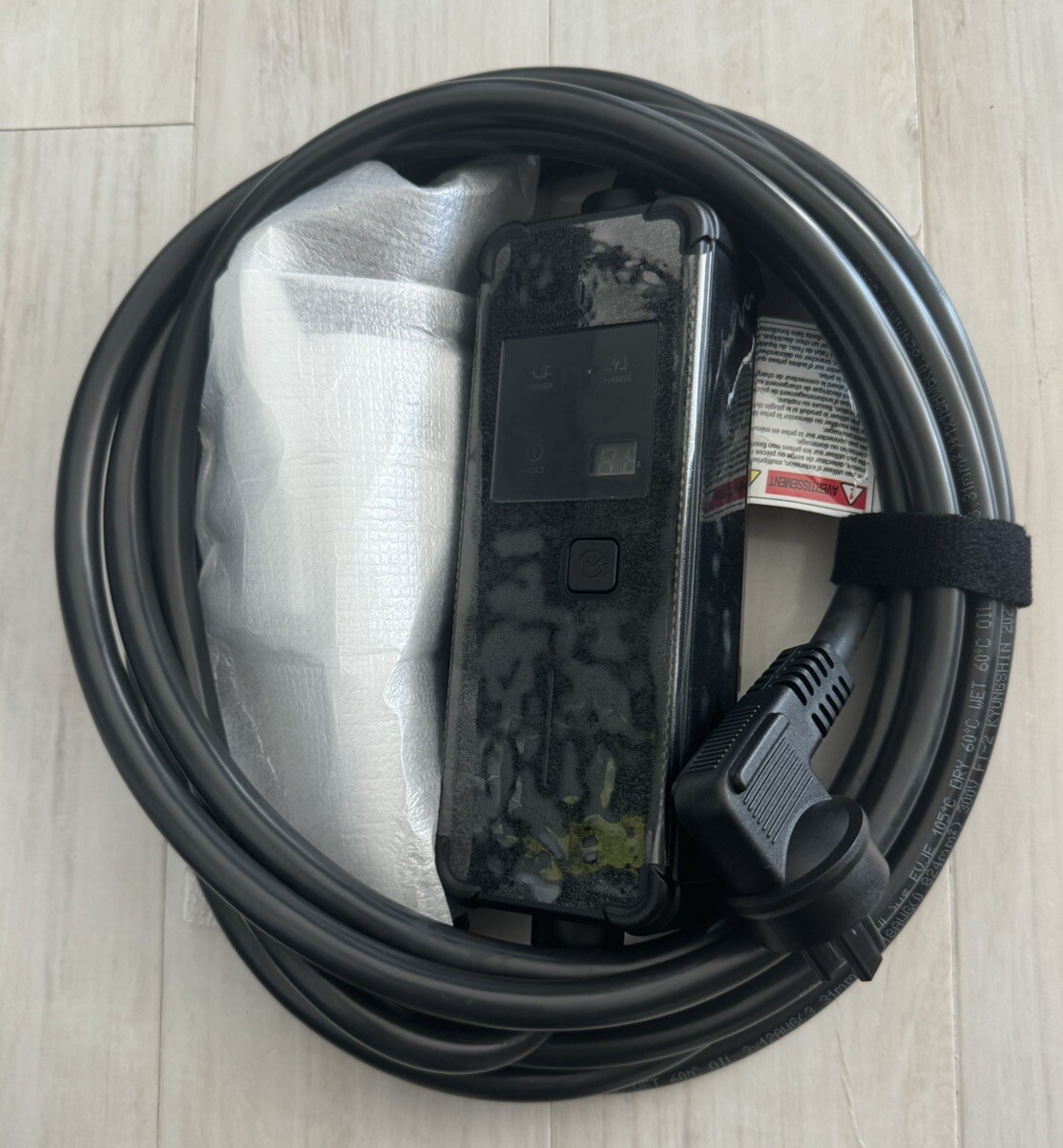
As Nigeria accelerates its transition toward a decentralized energy model, the demand for reliable, independent charging solutions is expected to skyrocket. For early adopters and forward-thinking businesses, waiting for a public station to appear on every street corner isn’t just impractical—it’s an unnecessary delay in joining the green mobility movement. Establishing a personal or commercial power hub today ensures that your transition to an electric future remains seamless, cost-effective, and entirely under your control.
The global market has already responded to this shift with a sophisticated array of high-speed, weather-resistant charging hardware designed for both residential and industrial use. Investing in the right infrastructure now allows you to bypass the traditional growing pains of a new technology rollout while significantly increasing the value of your property or fleet operations. Whether you are looking to power a single commuter vehicle or a full commercial delivery line, the tools to build your own “refueling station” are more accessible than ever before.
Explore the top-rated charging solutions currently leading the global market to find the perfect fit for your home or business needs. We invite you to join the conversation in the comments section below and share your vision for a cleaner Nigeria. To stay ahead of the curve on the latest policy shifts and green tech breakthroughs, don’t forget to subscribe to the NewsBurrow newsletter for exclusive insights delivered straight to your inbox.
Shop Products On Amazon
Shop Products on Ebay



Trending Similar Stories in the News
Tinubu Expands CNG Initiative to Include Electric Vehicles Nationwide nigeriahousingmarket.com...
Enhancing Nigeria’s Clean Energy Transition: Mapping Chinese Investment and Strategic Priorities APRI – Africa Policy Research Institute...




GIPHY App Key not set. Please check settings