

 Amara Okoye
Table of Contents
Ontario Occupational Exposure Registry
How to Use Ontario’s New Occupational Exposure Registry: A Guide for Workers and Employers
Ontario occupational exposure registry is a groundbreaking initiative designed to track workplace hazards and ensure long-term health protection for thousands of workers across the province.
By Amara Okoye | @AmaraReports
The Silent Killer in the Cubicle: Ontario’s Bold Stand Against Invisible Workplace Hazards
For decades, thousands of Ontario workers have punched their clocks, unaware that the very air they breathed or the surfaces they touched were etching a tragic timeline into their DNA. From the deep mines of Sudbury to the high-rise skeletons of Toronto, the “silent killers”—carcinogens and toxic particulates—have operated with a terrifying degree of anonymity. Until now, the connection between a 40-year-old exposure and a sudden medical crisis was often lost in a sea of bureaucratic fog.
In a move that is sending shockwaves through North American labor departments, the Ontario government has officially pulled the trigger on Canada’s first Occupational Exposure Registry (OER). This isn’t just another government database; it is a digital fortress designed to hold the invisible accountable. By creating a permanent, verifiable record of what workers are exposed to in real-time, the province is effectively ending the era of “guesswork” in occupational medicine.
The stakes couldn’t be higher. Every year, families are devastated by late-stage diagnoses that trace back to a specific job site from decades prior, yet they often face a brick wall when seeking compensation. This registry is the crowbar designed to pry that door open. It represents a fundamental shift in the power dynamic between the worker’s health and the employer’s liability, sparking a heated conversation about the true cost of industrial progress.
Decoding the OER: More Than Just a Database, It’s a Lifeline
The newly minted Occupational Exposure Registry is structured to be the ultimate historical archive for the human body at work. Managed by the Ministry of Labour, Immigration, Training and Skills Development (MLITSD), the registry serves as a centralized hub where exposure data is meticulously cataloged. It bridges the gap between historical industrial hygiene records and modern-day clinical outcomes, creating a map of risk that previously existed only in fragmented paper files.
What makes this initiative particularly potent is the integration of the Occupational Cancer Research Centre. By funneling raw data through high-level scientific analysis, the OER can identify clusters of illness before they become regional epidemics. This proactive stance is designed to strip away the “lag time” that typically defines occupational disease, where by the time a problem is recognized, the damage is already irreversible.
Registry Impact Overview
| Feature | Impact for Workers | Impact for Employers |
|---|---|---|
| Exposure Logging | Permanent proof for WSIB claims. | Data-driven safety improvements. |
| Medical Integration | Faster diagnosis for rare cancers. | Reduced long-term insurance liability. |
| Trend Analysis | Early warnings for high-risk jobs. | Benchmarking against industry standards. |
Mastering the Self-Tracker: Your Personal Digital Health Shield
At the heart of this revolution is the OER Self-Tracker, a user-friendly digital interface that places the power of documentation directly into the hands of the employee. No longer must a laborer rely on a foreman’s logbook or a company’s goodwill to record a chemical spill or a dust-heavy shift. The tracker allows users to input specific durations, types of substances, and the protective equipment used—or not used—during the event.
The genius of the system lies in its portability. In today’s gig economy and contract-heavy industrial landscape, workers move between sites frequently. The Self-Tracker follows the worker, not the company, ensuring that a mosaic of exposures across ten different employers over twenty years is unified into a single, cohesive health narrative. This longitudinal data is the “smoking gun” needed for future medical evaluations.
To maximize the effectiveness of the tracker, workers are encouraged to log entries immediately following a high-risk event. Memory fades, but a timestamped digital entry is permanent. This habit of “digital hygiene” is being touted by labor advocates as the most important tool a modern worker can carry, second only to their physical safety gear.
The Diagnostic Revolution: Shaving Years Off the Path to Treatment
The traditional path to identifying an occupational illness is a nightmare of “what ifs” and “maybe.” A patient presents with a rare respiratory condition, and the doctor spends months ruling out lifestyle factors. With the Ontario occupational exposure registry, a physician can theoretically access a patient-approved summary of two decades of chemical interactions. This isn’t just a convenience; it is the difference between catching a tumor at Stage 1 versus Stage 4.
By providing clinicians with a clear exposure history, the medical community can move toward precision diagnostics. If the data shows a worker spent six years in a high-silica environment, the diagnostic path for lung issues becomes instantaneous. This streamlined process removes the burden of proof from the suffering patient and places it squarely on the data.
Furthermore, this data will inevitably lead to more accurate worker compensation decisions. The Workplace Safety and Insurance Board (WSIB) has long been criticized for the difficulty of proving “occupational nexus” for diseases. The OER provides the missing link, offering a statistically significant connection between work environments and subsequent health failures, ensuring that support reaches those who truly need it without a decade-long legal battle.
Corporate Accountability or Regulatory Overreach? The Business Tug-of-War
While labor unions are celebrating, the boardroom reaction is more complex. Progressive employers see the OER as a goldmine for refining hazard controls. By understanding exactly where and when exposures are peaking, companies can invest in specific ventilation or automation technologies that actually move the needle on safety, rather than relying on broad, expensive, and often ineffective safety mandates.
However, a vocal contingent of business leaders worries about the “litigation shadow” the registry casts. There is a palpable fear that the data could be used to retroactively punish companies for exposure levels that were legal at the time but are now deemed hazardous. The “shock factor” here is the potential for a massive surge in class-action lawsuits fueled by the very data the province is now collecting.
Despite these fears, the economic argument for the registry is strong. Occupational diseases cost the Ontario healthcare system billions in long-term care and lost productivity. By shifting the focus to early detection and prevention, the OER aims to slash these downstream costs, effectively acting as a macro-economic stabilizer for a province facing an aging workforce and rising medical budgets.
The Privacy Paradox: Protecting Data While Exposing Risks
In an age of rampant data breaches, the security of a registry containing sensitive health and employment data is under a microscope. The Ministry has emphasized “Privacy by Design,” ensuring that individual records are encrypted and that workers maintain strict control over who sees their specific logs. Consent is the cornerstone; an employer cannot simply “peek” into a worker’s self-tracker without explicit authorization.
Yet, the aggregation of this data—stripping away names to look at industry-wide trends—is where the real public health power lies. This creates a fascinating tension: how do we protect the individual’s anonymity while exposing the “bad actors” in an industry? The government’s challenge will be maintaining public trust as the volume of data grows from gigabytes to petabytes.
Critics argue that the system is only as good as its weakest link. If a major industrial employer refuses to cooperate or if data quality is inconsistent, the registry’s diagnostic power is neutered. The call for mandatory reporting from certain high-risk industries is already growing louder, sparking a debate on where worker privacy ends and public safety begins.
From Mines to Med-Tech: Sector-Specific Wins
The impact of the OER will be felt most acutely in sectors where the “slow burn” of illness is common. In the construction industry, where asbestos and silica remain persistent threats, the registry offers a way to track cumulative damage. In the manufacturing sector, workers handling volatile organic compounds (VOCs) finally have a way to quantify their daily chemical load.
Surprisingly, the healthcare sector itself stands to benefit immensely. Nurses and lab technicians, frequently exposed to pathogens and specialized sterilization chemicals, have often been overlooked in traditional “industrial” safety talks. The OER broadens the definition of “occupational risk” to include the white-collar and pink-collar environments that are the backbone of modern Ontario.
ANTICIPATED DECLINE IN UNDIAGNOSED OCCUPATIONAL ILLNESS (Projected 2026-2036)% Rate
|
30|    *
25|    * *
20|       * *
15|          * *
10|             * *
05|                * *
00|__________________* Years
'26 '28 '30 '32 '34 '36(Source: NewsBurrow Research / Proactive Surveillance Model)
The Global Microscope: Is Ontario the New Blueprint for the West?
Ontario’s move has not gone unnoticed on the international stage. Labor departments in the United States, the UK, and Australia are watching closely to see if the OER can actually deliver on its promise of lower healthcare costs and higher worker retention. As the first of its kind in Canada, Ontario is effectively the “guinea pig” for a new era of social-democratic health policy.
If successful, this model could be the precursor to a federal Canadian registry, creating a national “Health Passport” for workers that transcends provincial borders. The potential for this data to inform global safety standards is enormous. When Ontario identifies a specific resin as a carcinogen three years before anyone else because of registry data, the world will listen.
However, the project’s sustainability depends on long-term funding and political will. Registries are expensive to maintain and even more expensive to analyze. The “shock” to the system will be if a future government attempts to defund the program, potentially orphaning millions of data points and leaving workers in a medical limbo even more confusing than before.
Joining the Movement: Your Roadmap to Workplace Sovereignty
The launch of the Ontario occupational exposure registry is a call to action. For the worker, it is an invitation to take ownership of your biological future. For the employer, it is a mandate to lead with data-driven integrity. The era of “don’t ask, don’t tell” regarding workplace toxins is officially over, and those who fail to adapt will find themselves on the wrong side of both history and the law.
We want to hear from you. Is this a long-overdue victory for the working class, or is it a bureaucratic nightmare waiting to happen? Have you ever felt your health was compromised by a job, only to be told there was “no proof”? The conversation is happening now, and your voice is the most important data point of all.
- Check your status: Visit the official OER portal to see if your industry is currently being prioritized.
- Start logging: Download the Self-Tracker today; even minor exposures are worth noting.
- Talk to your GP: Let your doctor know you are participating in the registry to ensure it becomes part of your clinical file.
Ontario has laid the tracks. It is now up to the workers and employers to decide how fast this train moves toward a healthier, more transparent future. Stay tuned to NewsBurrow for ongoing coverage as we track the first wave of data coming out of this historic initiative.
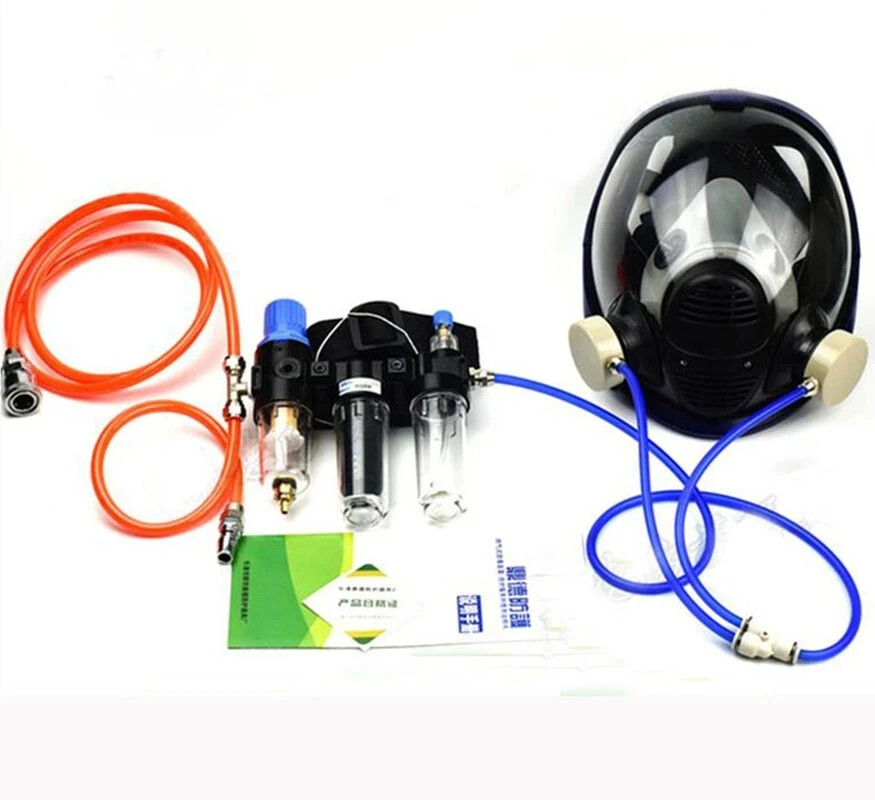
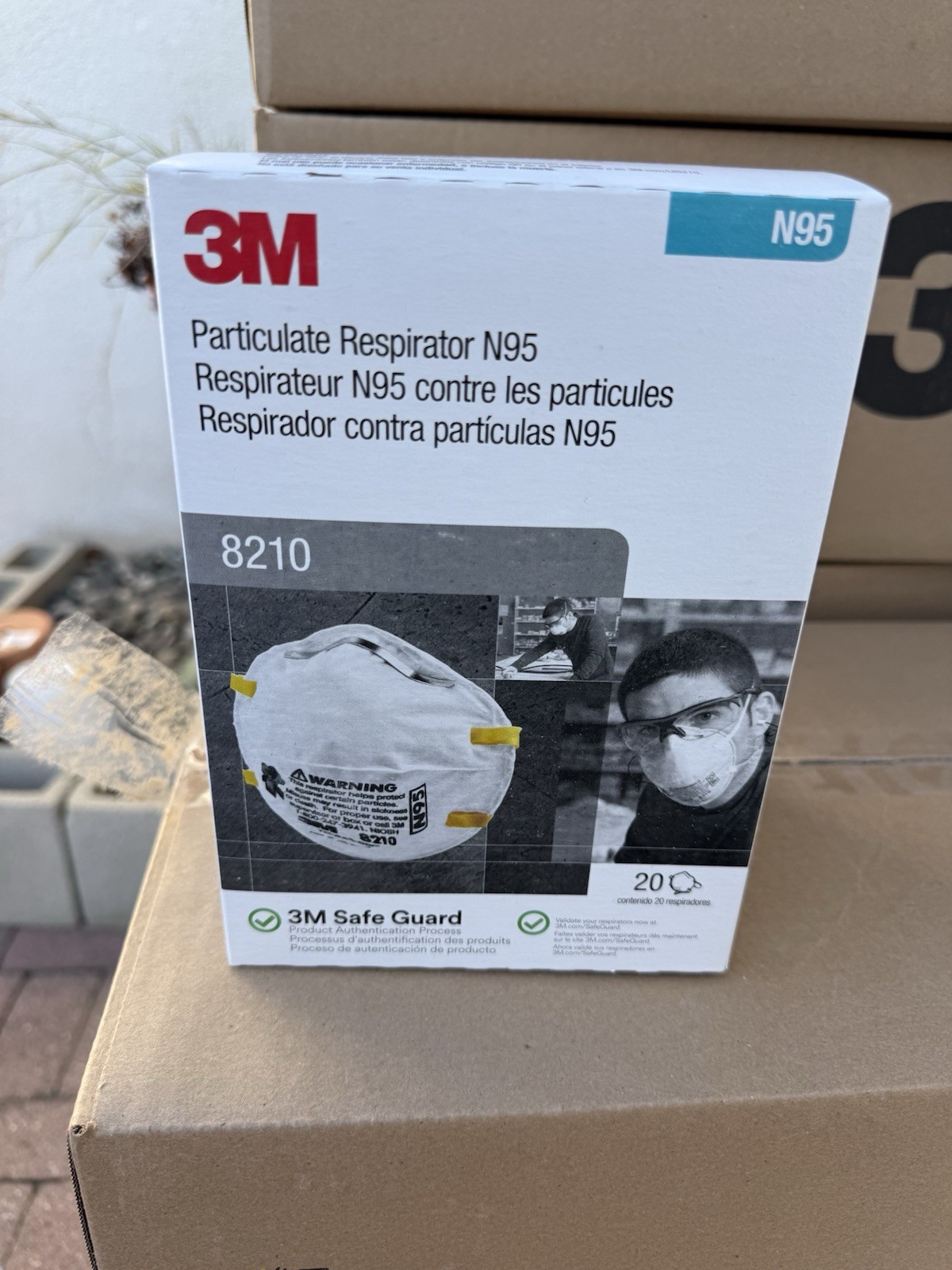
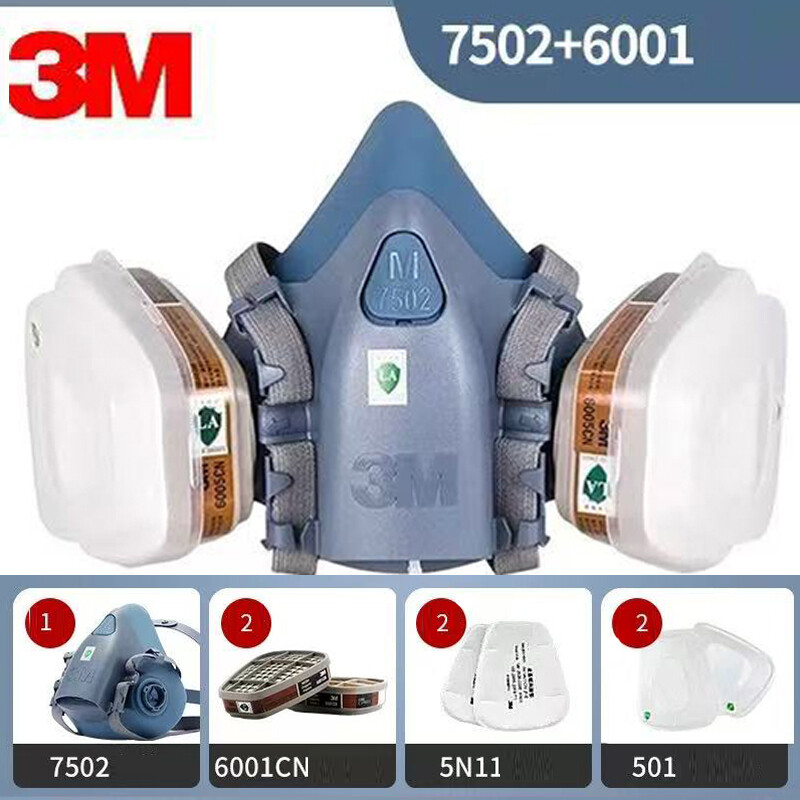
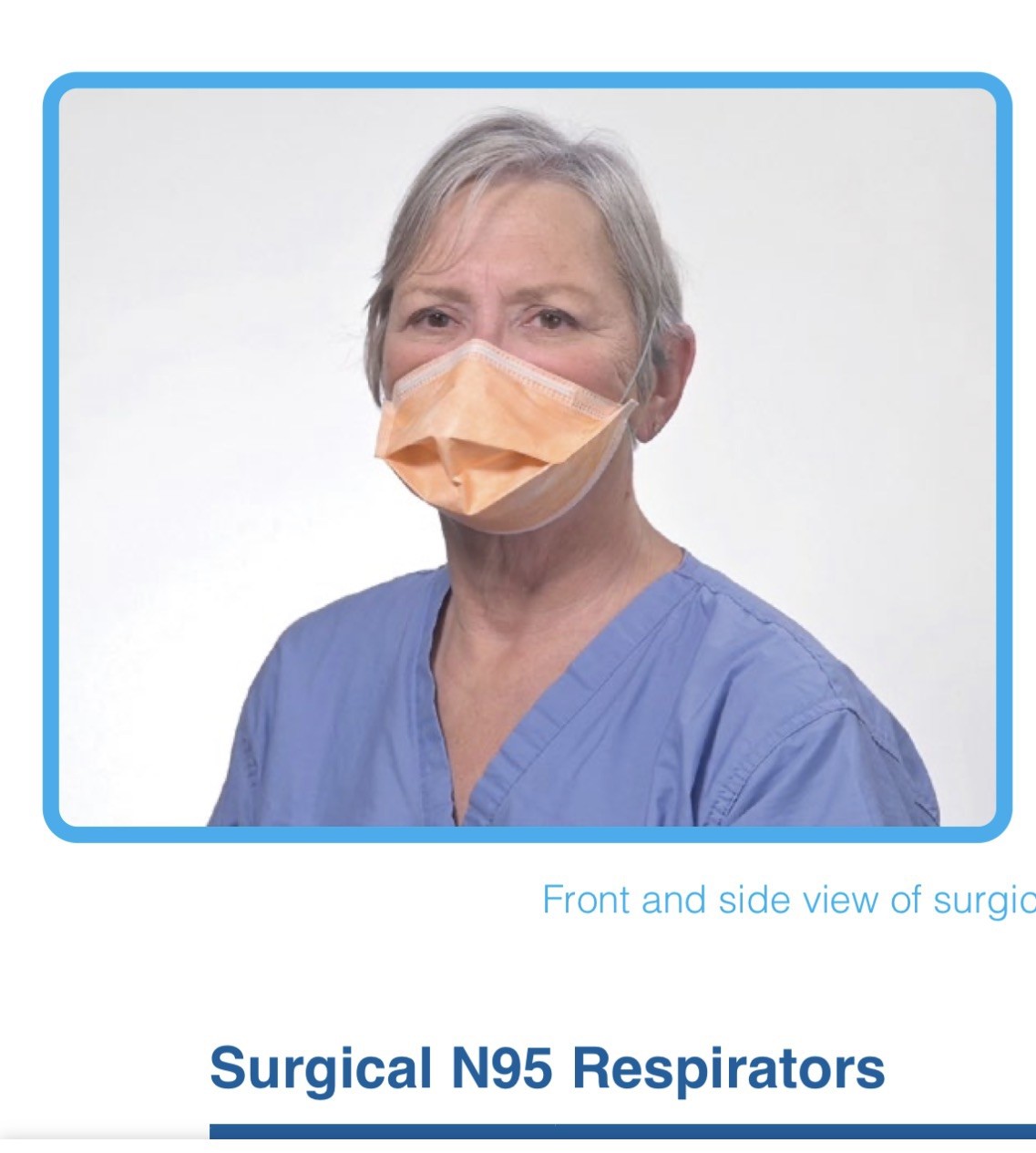
While the Ontario occupational exposure registry provides a revolutionary way to track your health history, the most effective strategy remains preventing that data from ever reaching the registry in the first place. For workers in high-risk sectors like construction, manufacturing, and chemical processing, professional-grade personal protective equipment (PPE) is your first line of defense against the invisible toxins that cause long-term illness. Relying solely on historical tracking is a reactive measure; true workplace sovereignty begins with ensuring that hazardous particulates never enter your system.
To support your commitment to safety, the NewsBurrow team has curated a selection of top-tier protective gear designed to meet the rigorous demands of industrial environments. These tools are engineered to filter out the very substances that the province is now so keen on tracking, providing you with immediate peace of mind while you work. Investing in high-quality respiratory protection today is an investment in your Stage-1 health tomorrow, ensuring your future registry logs remain clean and your long-term health stays intact.
We invite you to explore our recommended safety essentials below to find the perfect fit for your specific job site needs. Don’t forget to join the conversation in the comments section below to share your safety tips and subscribe to the NewsBurrow newsletter for the latest updates on Ontario’s labor laws and breakthrough health innovations. Equip yourself with the best protection now and take control of your professional environment before the shift even begins.
Shop Products On Amazon
Shop Products on Ebay





Trending Similar Stories in the News
Ontario introducing occupational exposure registry Toronto Sun...
Ontario launches first-in-Canada registry to track workers’ exposure to hazardous substances Canadian Occupational Safety...
Trending Videos of Ontario Occupational Exposure Registry



GIPHY App Key not set. Please check settings