

 Emily Carter
Table of Contents
Saskatchewan Premier Budget Deficit 2026
Saskatchewan Premier Defies $1B Deficit: No Budget Cuts for Public Services in 2026
Saskatchewan Premier budget deficit 2026 plans reveal a firm rejection of belt-tightening measures despite a projected $1 billion shortfall.
By Emily Carter (@ECarterUpdates) – Political Analyst, NewsBurrow News Network
The Billion-Dollar Gamble: Scott Moe’s Defiant Fiscal Stand
The political landscape of Saskatchewan has just been jolted by a shockwave of fiscal defiance. In an era where “austerity” is often the buzzword for governments facing red ink, Premier Scott Moe has taken a radical departure from the norm. As the province stares down a looming $1 billion deficit for the 2026 fiscal year, the Premier has issued a bold decree: there will be no belt-tightening for the services that citizens rely on most.
This isn’t just a budget announcement; it is a high-stakes ideological battle. Moe’s administration is betting that the path to stability is paved with investment rather than withdrawal. By refusing to slash spending, the government is essentially challenging the traditional “balanced budget” orthodoxy that has defined Saskatchewan politics for decades. The move has left economists divided and taxpayers wondering if this is a masterstroke of growth or a recipe for a debt trap.
The atmosphere at the Legislative Building in Regina is electric, with the Premier framing this decision as a shield for the “everyday person.” While the numbers on the ledger are turning red, the administration argues that cutting deep into the bone of public services would only accelerate a downward spiral. It is a narrative of protectionism in an age of global instability, designed to reassure a nervous electorate as the 2026 budget release approaches.
From Surplus to Shortfall: Deciphering the $1 Billion Gap
How did the “land of living skies” find itself under such a dark fiscal cloud so quickly? Only a short time ago, Saskatchewan’s coffers were buoyed by record-high resource revenues. However, the 2026-27 projections reveal a starkly different reality. A combination of decreased export demand and fluctuating royalty payments has hollowed out the revenue projections, creating a cavernous $1 billion hole in the provincial bottom line.
To visualize the trajectory, consider the shift in provincial balance over the last three cycles. What began as a comfortable cushion has evaporated into a deficit that represents nearly 5% of the province’s total expenditure. This “potent shock” to the system wasn’t a slow burn; it was an overnight collapse of expectations driven by factors largely outside of provincial control.
Saskatchewan Fiscal Trajectory (Simplified ASCII Visualization)
Surplus ()∣∗(2024)∣Balanced∣−−−−−−−−−−−−−−−−−−−−−−∣∣∗(2025)Deficit() |
|                        * (2026 Projected: -$1B)
+-------------------------------------------
Year
Note: The 2026 projection marks the steepest one-year decline in recent memory.
The Global Squeeze: How Trade Tariffs and Oil Volatility Hit Home
The tragedy of Saskatchewan’s current fiscal predicament is that its fate is often decided in boardrooms and government offices thousands of miles away. The 2026 outlook is being dictated by two primary global forces: aggressive international trade tariffs on agricultural products and a volatile global oil market. Canola, the province’s “yellow gold,” has faced unprecedented trade barriers that have slowed exports to a crawl, slashing tax revenues from the agricultural sector.
Simultaneously, the energy sector is grappling with a supply-demand imbalance that has kept prices lower than the “break-even” point required to balance the provincial budget. When oil prices dip even a few dollars below projections, the impact on Saskatchewan’s royalty income is catastrophic. The Premier’s refusal to cut spending is, in many ways, a middle finger to these global pressures, asserting that the local “pocketbook issues” of residents should not be dictated by foreign trade wars.
This stance creates a unique tension. While the province cannot control the global price of a barrel of West Texas Intermediate, it can control how many teachers are in classrooms and how many nurses are on the floor. Moe is banking on the idea that by insulating the local economy from these global shocks, the province will be better positioned to bounce back once the trade winds shift.
Healthcare and Education: The Protected Pillars of the 2026 Roadmap
At the heart of the “no-cut” pledge are the two pillars of provincial life: healthcare and education. In previous deficit years, these departments were the first to see “efficiencies” or “streaming” (polite political terms for cuts). For 2026, the rhetoric has shifted. The government has signaled that health wait times and classroom sizes are “non-negotiable,” promising that funding will remain consistent even if the debt continues to climb.
- Surgical Recovery: Maintaining funding to reduce the backlog created by previous health crises.
- Mental Health Access: Expanding community-based supports despite revenue shortfalls.
- Classroom Complexity: New grants for teachers to manage diverse student needs in growing urban centers.
- Rural Healthcare: Incentives for doctors and nurses to remain in under-served northern communities.
However, “maintaining” funding in an inflationary environment is often a cut in disguise. Critics point out that with the cost of medical supplies and heating for schools rising by double digits, “status quo” funding actually means less service for the same dollar. The government’s challenge will be proving that they aren’t just treading water, but actually delivering the “protected” services they have promised to the public.
The View from the Opposition: Critiques of the ‘Spend Now, Pay Later’ Approach
Not everyone is applauding the Premier’s defiance. The Official Opposition has labeled the 2026 budget strategy as “fiscal fantasy land.” They argue that by ignoring the $1 billion deficit, the government is simply passing the bill to future generations. The concern isn’t just about the deficit itself, but the cost of servicing the debt. As interest rates remain stubbornly high, every dollar borrowed today costs significantly more than it did five years ago.
The debate in the legislature has turned fierce, with opposition members pointing to a lack of transparency regarding where the money will actually come from. If revenues are down and spending is up, the only levers left are borrowing or future tax hikes. The “shock factor” here is the potential for a massive “catch-up” tax increase following the next provincial election—a possibility the government has been quick to downplay but slow to disprove.
| Perspective | Primary Argument | Proposed Outcome |
|---|---|---|
| Government (Sask Party) | Strategic investment prevents economic stagnation. | Economic growth will eventually outpace debt. |
| Opposition (NDP) | Unchecked spending leads to long-term debt traps. | Future generations will face massive tax hikes. |
| Economic Analysts | Market confidence relies on a clear return-to-balance plan. | Potential credit rating downgrade if deficit persists. |
Construction and Cranes: Saskatchewan’s Surprising Economic Silver Lining
Despite the doom and gloom of the budget deficit, a walk through Saskatoon or Regina tells a different story. The province is currently leading the nation in building construction investment, with a staggering 21.8% year-over-year increase. This is the “secret weapon” in Scott Moe’s arsenal. High-rise developments, new manufacturing plants, and a surge in residential housing are creating a robust tax base that isn’t tied directly to the price of oil.
This construction boom is the primary reason the government feels confident in its “no-cut” strategy. They view the deficit as a temporary liquidity issue rather than a structural failure. If the province can keep the cranes moving and the workers employed, the income tax revenue will eventually fill the hole left by the resource sector. It is a “Build, Saskatchewan, Build” mantra that aims to pave the way out of the red ink.
However, the construction sector is sensitive to the very interest rates that make debt servicing so expensive. If the government’s borrowing causes a ripple effect in the local lending market, the “silver lining” could quickly tarnish. For now, the administration is leaning heavily on these numbers to justify their refusal to pivot toward austerity, holding up construction sites as proof of a thriving provincial pulse.
The Rural-Urban Divide: Who Benefits from a No-Cut Budget?
The political geography of Saskatchewan is a delicate balance between its burgeoning urban centers and its traditional rural heartlands. A “no-cut” budget sounds appealing to everyone, but the distribution of those funds is where the controversy lies. Urban voters in Regina and Saskatoon are demanding better public transit and mental health services, while rural voters are focused on highway maintenance and the survival of small-town emergency rooms.
By refusing to tighten the belt, Moe is attempting to keep both constituencies happy—a feat rarely achieved in Saskatchewan politics. However, the decision to prioritize “growth” often favors urban infrastructure projects, which can leave rural areas feeling neglected. The “shock” to the system may come when rural municipalities realize that while their services aren’t being “cut,” they also aren’t being “expanded” to meet the rising costs of rural life.
This section of the budget will likely be the most scrutinized during the public debate. If the $1 billion deficit leads to a stagnation of rural highway repairs while urban Regina sees a new data center or stadium project, the Premier’s “unified” fiscal stand could quickly fracture along regional lines. The 2026 budget isn’t just about money; it’s about the soul of the province’s geography.
Market Watch: Will Credit Rating Agencies Grade the Deficit Fairly?
While the Premier speaks to the voters, the bond markets are listening with a much more cynical ear. Saskatchewan has long enjoyed one of the best credit ratings in Canada, allowing it to borrow money at lower rates than its neighbors. A sustained $1 billion deficit without a clear “return to balance” date puts that rating at significant risk. If the province is downgraded, the interest on that $1 billion debt will skyrocket, turning a temporary problem into a permanent burden.
Wall Street and Bay Street analysts are currently performing a “wait and see” dance. They are looking for more than just a promise to “protect services”; they want a mathematical path to fiscal health. The Premier’s defiance is a gamble on the province’s reputation. If growth doesn’t materialize as quickly as predicted, the “no-cut” budget could inadvertently lead to the very austerity measures it was designed to avoid, forced upon the province by outside lenders.
The “shock factor” for the average citizen is the realization that the Premier isn’t the final authority on the budget—the global market is. If the agencies decide Saskatchewan is no longer a safe bet, the cost of living for every resident will rise as the government is forced to divert more tax dollars away from hospitals and toward interest payments to banks in New York and Toronto.
The Road Ahead: What to Watch for in the March Budget Reveal
As we approach the official budget day in March 2026, the stakes could not be higher. This is more than a fiscal document; it is a manifesto for the future of Saskatchewan. Will the government find a way to balance the books through hidden growth, or will the $1 billion deficit be the first step toward a major economic realignment? The Premier has set the stage for a dramatic showdown between his vision of “investment at all costs” and the reality of a global economic slowdown.
At NewsBurrow, we will be tracking every line item and every policy shift. This story touches the lives of every resident—from the student in a Saskatoon classroom to the farmer in the southwest. The tension between global trade wars and local pocketbooks has never been more palpable. One thing is certain: the 2026 budget will be remembered as the moment Saskatchewan chose to either swim against the tide or risk being pulled under by it.
Join the Conversation: Do you agree with Premier Scott Moe’s decision to avoid budget cuts despite the $1 billion deficit? Is protecting public services worth the risk of rising debt? Share your thoughts with us on social media using #SaskBudget2026 and let your voice be heard!
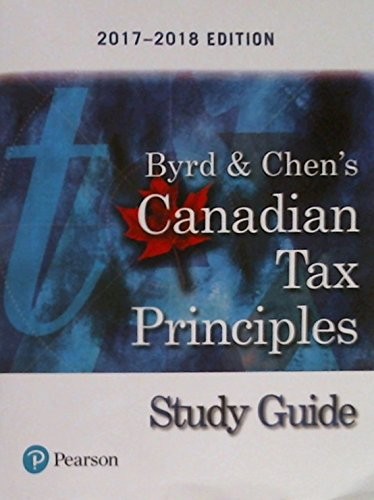
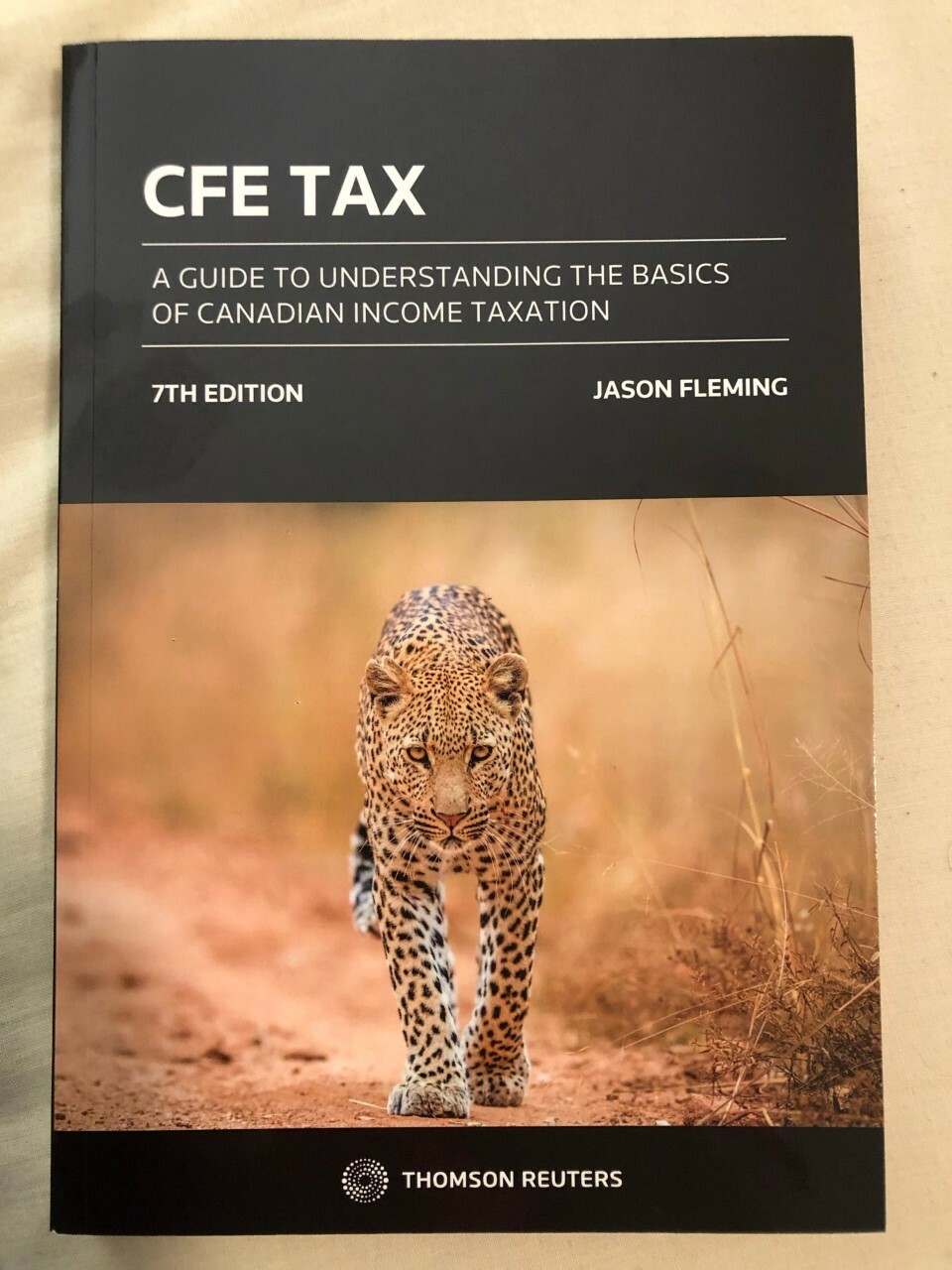
As the provincial government navigates these turbulent fiscal waters, the impact is being felt far beyond the halls of the Legislative Building. While Premier Scott Moe’s commitment to public services offers a temporary shield, many Saskatchewan residents are left wondering how these macro-economic shifts will ultimately affect their personal finances and long-term tax obligations. Understanding the nuances of Canadian fiscal policy has never been more critical for families trying to safeguard their own household budgets against a backdrop of billion-dollar deficits.
To help you navigate this complex financial landscape, we have curated a selection of essential resources designed to empower your financial planning. Whether you are looking to optimize your returns or gain a clearer understanding of the national tax framework, having the right tools can turn economic uncertainty into an opportunity for stability. We invite you to explore these top-rated guides that offer practical, actionable insights for every Canadian taxpayer during these unpredictable times.
Don’t let the headlines leave you in the dark; join the conversation in the comments section below and share how you are preparing for the upcoming budget season. For more exclusive analysis and deep dives into the stories that shape our province, subscribe to the NewsBurrow newsletter today to have the latest updates delivered straight to your inbox. Take the first step toward financial clarity by exploring our recommended resources now.
Shop Products On Amazon
Shop Products on Ebay






Trending Similar Stories in the News
Saskatchewan premier rejects belt-tightening in budget, cites ‘challenging time’ Global News...
Moe says province will table a deficit budget next month CTV News...
Trending Videos of Saskatchewan Premier Budget Deficit 2026




GIPHY App Key not set. Please check settings