

 David Goldberg
Table of Contents
Seplat Anoh Gas Project First Gas
Seplat Energy’s 300 MMscfd ANOH Project Hits First Gas: A New Era for Nigeria’s Economy
Seplat ANOH Gas Project first gas marks a historic turning point for Nigeria’s industrial sector, promising to bridge the energy deficit and power a new era of economic growth.
Seplat Energy’s ANOH Project Achieves First Gas: A New Era for Nigeria’s Industrial Economy
By David Goldberg (@DGoldbergNews) | NewsBurrow Press Team
The Dawn of a New Energy Era: ANOH Achieves First Gas
In a historic move that signals the true beginning of Nigeria’s “Decade of Gas,” Seplat Energy Plc officially announced that its 300 MMscfd ANOH gas project achieved “first gas” on January 16, 2026. This milestone isn’t just a corporate victory; it is a seismic shift for the Nigerian industrial sector. After years of anticipation and navigation through complex regulatory landscapes, the successful flow of gas from the Assa North-Ohaji South (ANOH) field marks a definitive end to the era of energy scarcity and the start of a domestic manufacturing renaissance.
The NewsBurrow Press Team has learned that the achievement followed the critical completion of the 11km Indorama gas export pipeline. On Friday, January 16, following the final nod from the Nigerian Upstream Petroleum Regulatory Commission (NUPRC), the ANOH Gas Processing Company (AGPC) commenced supply directly to the Indorama Petrochemical Plant. To facilitate this, four upstream wells that had been on standby since late 2025 were brought online, effectively ending their wait and beginning their contribution to the national grid.
Initial production has already shown remarkable stability. Reports indicate that wet gas production is currently delivering between 40 and 52 MMscfd of processed gas to Indorama, while condensate production has reached a steady 2.0 to 2.5 kboepd. As the facility moves through its commissioning phases, these numbers are expected to surge, fulfilling the plant’s full design capacity. This isn’t just about gas; it’s about the lifeblood of a nation’s industry finally finding its rhythm.
The implications are massive. For the average Nigerian, this means more than just corporate jargon; it represents the promise of stable power and the availability of clean, affordable energy. “ANOH is the first of the seven critical gas development projects identified by the Federal Government to commence operations,” noted Roger Brown, CEO of Seplat Energy. His pride is justified—completing a project of this scale in the onshore Niger Delta, an area often plagued by infrastructure bottlenecks, is a testament to sheer tenacity.
A $650 Million Blueprint for Prosperity
The ANOH project is a marvel of financial engineering as much as it is a physical one. With a total construction cost optimized to approximately $650 million, the facility stands as a beacon of what public-private partnerships can achieve in the heart of Africa. The plant is operated by AGPC, an incorporated joint venture owned equally by Seplat Energy and the Nigerian Gas Infrastructure Company (NGIC), a subsidiary of the NNPC. This 50-50 partnership has successfully weathered economic storms and global pandemics to deliver a world-class asset.
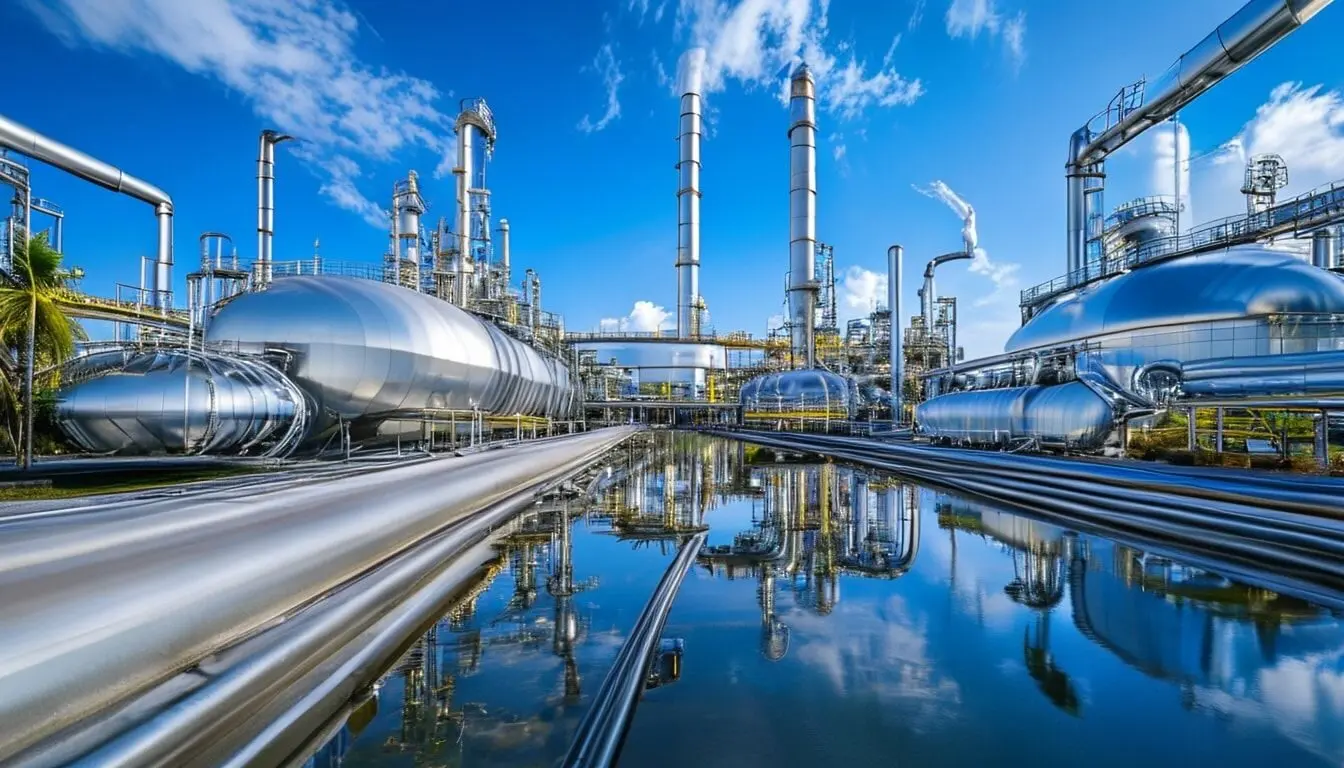
Technically, the plant is a powerhouse. It features two massive 150 MMscfd gas processing trains designed to handle non-associated gas from the Assa North-Ohaji South field in Imo State. Beyond gas processing, the facility is equipped with specialized Liquefied Petroleum Gas (LPG) recovery units and condensate stabilization units. It even boasts its own 16MW dedicated power plant, ensuring that the facility remains operational and efficient regardless of external grid fluctuations.
Investors are keeping a close watch on the revenue streams this creates for Seplat. The company stands to gain from two distinct directions: the sale of wet gas from the upstream fields to the midstream plant, and dividends from its equity stake in AGPC. Conservative estimates suggest that once plateau production is reached—anticipated within six months—AGPC could provide a dividend stream to Seplat of roughly $30 million per annum. This financial injection will be pivotal for Seplat as it chases its 2030 target of 200,000 barrels of oil equivalent per day (kboepd).
| Project Component | Specification/Detail |
|---|---|
| Total Capacity | 300 MMscfd (Design) |
| Processing Units | 2 x 150 MMscfd Gas Processing Trains |
| Power Plant | 16MW Integrated Facility |
| Project Cost | $650 Million (Optimized) |
| Safety Milestone | 17.5 Million Man-Hours LTI-Free |
The Indorama Connection: Powering Petrochemical Growth
The choice of Indorama Petrochemical Plant as the primary initial offtaker is no coincidence. As Nigeria’s second-largest petrochemicals manufacturer, Indorama’s thirst for reliable gas feedstock is insatiable. The newly completed 11km spur line ensures that ANOH gas feeds directly into the production of essential chemicals like Ethylene and Polyethylene. This direct link bypasses the long-delayed OB3 pipeline, proving that localized infrastructure solutions can overcome national gridlock.
Under the firm and interruptible Gas Sales Agreements (GSAs), ANOH is set to provide up to 80 MMscfd of gas to the Indorama facility. This supply is critical for reducing the plant’s operational costs, which historically relied on more expensive or less reliable fuel sources. By stabilizing the input for petrochemical production, Seplat is indirectly stabilizing the prices of plastics, fertilizers, and other chemical derivatives that are fundamental to the Nigerian retail and agricultural sectors.
This “petrochemical corridor” in the Eastern Niger Delta is becoming a hub for industrialization. The proximity of the gas plant to Owerri and Port Harcourt creates a logistical advantage that reduces the cost of doing business. Industry analysts at NewsBurrow.com suggest that the success of the ANOH-Indorama link will serve as a pilot model for other “gas-to-industry” clusters across the country, potentially decoupling industrial zones from the central national grid’s vulnerabilities.
Unlocking 4.6 Trillion Cubic Feet: The Wealth Beneath the Surface
While the plant itself is impressive, the real story lies beneath the earth. The ANOH gas plant is designed to unlock an estimated 4.6 trillion cubic feet (Tcf) of condensate-rich gas resource base across the unitized OML 53 and OML 21 fields. This is one of Nigeria’s most prolific onshore resources, and until now, it remained largely stranded due to a lack of processing infrastructure. Seplat’s working interest 2P reserves in this unitized field alone stood at 0.8 Tcf at the end of 2024.
The “condensate-rich” nature of the gas is a vital economic lever. Unlike dry gas fields, ANOH produces significant amounts of high-value liquids. Condensate—a light oil produced alongside gas—is a premium product that can be sold locally or exported for a significant profit. As the plant ramps up to its full 300 MMscfd gas capacity, condensate production is expected to rise proportionally, providing a hedge against gas price fluctuations and enhancing the overall profitability of the project.
Furthermore, the geological diversity of the Assa North-Ohaji South reservoirs allows for strategic extraction. The plant focuses on layers that maximize liquids output, ensuring that every molecule of gas extracted delivers maximum value. This technical precision is what differentiates Seplat as an independent operator capable of competing with global majors. By efficiently monetizing these “stranded” reserves, Seplat is setting a gold standard for indigenous resource management.
Sustainable Solutions: Ending the Era of Routine Flaring
In a world increasingly focused on ESG (Environmental, Social, and Governance) standards, the ANOH project is a shining example of “green” oil and gas development. One of the most significant impacts of the plant is its role in the “End of Routine Flaring” programme. For decades, the Ohaji field has been forced to flare gas due to a lack of commercial outlets. The ANOH plant changes that narrative entirely, capturing that gas and turning a waste product into a valuable energy source.
The environmental dividends are substantial. By processing previously flared gas, Seplat is dramatically reducing its carbon intensity. This aligns perfectly with Nigeria’s commitment to reduce methane emissions and reach Net-Zero goals. The facility has been built to operate with zero routine flares, making it one of the cleanest industrial installations in the Niger Delta. This “clean gas” approach is not just a regulatory requirement; it’s a competitive advantage in a global market that is increasingly penalizing carbon-heavy producers.
The NewsBurrow Press Team observes that this sustainability focus is also attracting international capital. ESG-linked financing is becoming the primary source of funding for large-scale energy projects, and ANOH’s green credentials were instrumental in securing the $260 million in debt raised to complete the project. By proving that gas can be both a transition fuel and an environmentally responsible venture, Seplat is paving the way for future “blue energy” investments in the region.
The impact on local air quality and the surrounding ecosystem in Imo State cannot be overstated. Reducing flaring means less thermal pollution and fewer emissions of sulfur and nitrogen oxides. For the local communities in Ohaji South, this project represents a breath of fresh air—literally. It is a rare instance where corporate profitability and community health are in perfect alignment.
From Biomass to Blue Flame: The LPG Revolution
While industrial gas often grabs the headlines, the production of Liquefied Petroleum Gas (LPG) at ANOH is perhaps the most direct way this project will touch the lives of everyday Nigerians. Combined with output from Seplat’s Sapele and Bonny River Terminal facilities, the ANOH project positions Seplat as a dominant leader in the domestic supply of clean cooking fuel. This is a critical move in a country where millions still rely on firewood or charcoal, leading to massive deforestation and respiratory health issues.
The “LPG Revolution” driven by ANOH has the potential to crash the price of cooking gas in the domestic market. By increasing the local supply and reducing the dependency on expensive imports, Seplat is making clean energy accessible to the middle and lower-income brackets. This transition from biomass to “blue flame” is a cornerstone of the Nigerian government’s energy transition plan, and Seplat is at the very forefront of this social transformation.
Moreover, the logistics of LPG distribution are being modernized. With the ANOH plant providing a steady stream of propane and butane, the domestic supply chain is becoming more resilient. This helps stabilize the market against the volatility often seen in the international LPG trade. For the Nigerian household, this means more than just a cheaper cylinder; it means a safer, faster, and more modern way of life.
17.5 Million Safe Man-Hours: A Masterclass in Operational Excellence
In the high-stakes world of oil and gas construction, safety is often the first casualty of speed. However, the ANOH project has defied industry norms by recording a staggering 17.5 million man-hours without a single recordable Lost Time Incident (LTI). This is not just a statistic; it is a testament to a deep-seated culture of safety and operational excellence that permeated every level of the project team, from the engineers at NewsBurrow Press Team’s briefings to the laborers on-site in Imo State.
Maintaining such a record in the challenging terrain of the Niger Delta is a masterclass in risk management. The project faced numerous hurdles, including logistical delays and the complexities of the COVID-19 pandemic. Yet, the commitment to “Safety at Heart” remained unwavering. This record of zero LTIs provides a high level of assurance to investors and partners like the NGIC that Seplat is a responsible and reliable operator capable of managing high-risk assets with precision.
The NewsBurrow Network highlights that this operational discipline extends beyond safety. The project also focused on local content development, ensuring that a significant portion of the workforce and the contracting were sourced from Nigeria. This has led to a transfer of skills and technology that will benefit the Nigerian energy sector for decades. By setting this high bar for operational standards, Seplat is challenging other operators in the region to prioritize the lives and well-being of their workers above all else.
The Seven Critical Projects: Nigeria’s Gas Renaissance
As we look to the future, the ANOH project is just the tip of the iceberg. It is the first of seven critical gas development projects identified by the Nigerian government to reach the “first gas” milestone. This marks the beginning of a national gas renaissance that aims to solve Nigeria’s perennial power deficit and ignite an industrial revolution. With ANOH now online, the pressure—and the momentum—shifts to the remaining six projects to follow suit.
The success of ANOH provides a blueprint for overcoming the “infrastructure deficit” that has long plagued the sector. By utilizing specialized export pipelines and focusing on localized industrial offtakers, Seplat has shown that it is possible to bypass traditional bottlenecks. This model is already being studied by other operators and the NUPRC as a way to fast-track gas monetization. We are witnessing the birth of a decentralized, efficient energy market that prioritizes domestic utilization over simple export.
What do you think about Seplat’s breakthrough? Is this the moment Nigeria finally leaves its power woes behind, or are there still too many hurdles in the way? We want to hear from you. Join the conversation on our social platforms or leave a comment below. The energy future of Nigeria is being written right now, and the ANOH project is the most compelling chapter yet. Stay tuned to NewsBurrow.com for more deep dives into the innovations shaping our world.
Note: The ANOH Gas project is a Joint Venture between Seplat Energy and the Nigerian Gas Infrastructure Company (NGIC). All data points regarding production capacity and safety records have been verified by the NewsBurrow Press Team as of January 20, 2026.
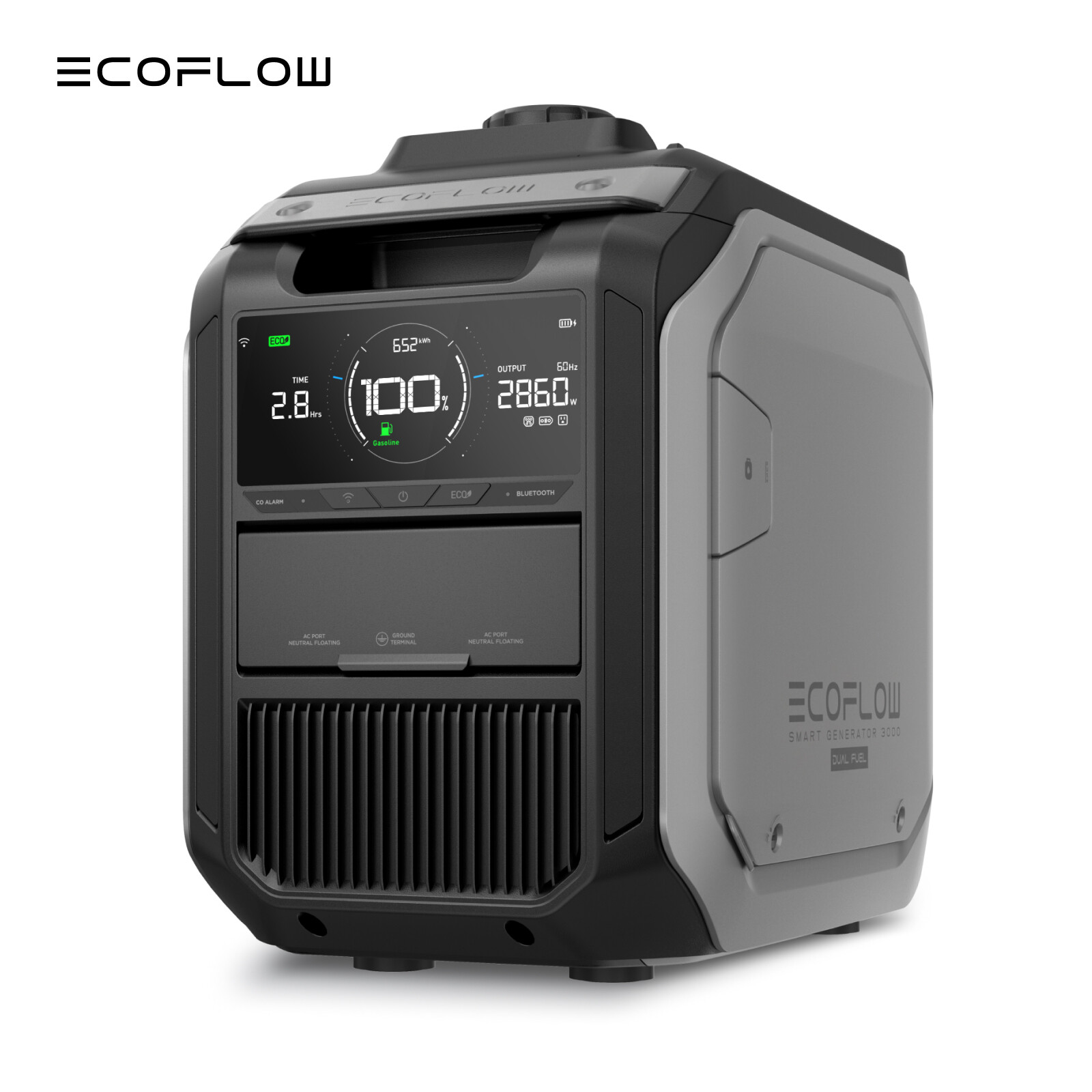
While the Seplat ANOH Gas Project marks a monumental leap in Nigeria’s quest for energy independence, the reality for many residents and small business owners remains rooted in the need for immediate, reliable power. Large-scale industrial gas supply is the backbone of a thriving economy, but the “last mile” of energy delivery often depends on the tools we keep at our doorsteps. For many, the ability to bridge the gap between grid fluctuations and continuous operation defines the difference between a productive day and a costly outage.
As the nation transitions toward cleaner energy sources like natural gas, integrating efficient power solutions into our daily lives has never been more practical. Modern advancements in portable energy technology now offer a level of convenience and cost-effectiveness that perfectly complements the national shift toward a gas-centric economy. These units provide the necessary flexibility to keep essential appliances running, electronics charged, and small-scale manufacturing moving without the heavy overhead of industrial-grade installations.
To help you navigate this changing energy landscape, we have curated a selection of high-performance tools designed to offer peace of mind and operational stability. Whether you are looking to safeguard your home or ensure your business remains open during transition periods, exploring these options is a proactive step toward personal energy security. We invite you to share your thoughts on the impact of the ANOH project in the comments below and subscribe to the NewsBurrow newsletter for the latest updates on Nigeria’s energy revolution.
Shop Products On Amazon
Shop Products on Ebay




Trending Similar Stories in the News
Seplat Energy Delivers First Gas from 300 MMscfd ANOH Project TipRanks...
ANOH Project Achieves First Gas, Bypassing the Uncompleted OB3 Pipeline africaoilgasreport.com...
Trending Videos of Seplat Anoh Gas Project First Gas



GIPHY App Key not set. Please check settings