

 Fatima Al-Hassan
Table of Contents
Irc Emergency Watchlist 2026
IRC Emergency Watchlist 2026: How the ‘New World Disorder’ is Fueling Global Crises
IRC Emergency Watchlist 2026 reveals a chilling reality where a ‘New World Disorder’ is pushing millions into unprecedented humanitarian peril.
By Fatima Al-Hassan (@FatiAlHassan)
The Global Fracture: Why the 2026 Humanitarian Forecast is a Wake-Up Call
The world as we knew it—a place of somewhat predictable, if flawed, international cooperation—is evaporating before our eyes. The IRC Emergency Watchlist 2026 has just dropped, and it doesn’t just predict trouble; it announces the arrival of a “New World Disorder.” This isn’t a mere catchphrase; it is a structural diagnosis of a planet where geopolitical rivalries are now actively strangling the lifelines of the world’s most vulnerable populations.
As a reporter for NewsBurrow, I’ve seen crises evolve, but 2026 feels fundamentally different. We are witnessing a terrifying divorce between global need and global will. While the complexity of conflicts in places like Sudan and Gaza deepens, the international community’s ability to respond is being paralyzed by a new era of cold-war-style friction and “policy fragmentation.” It is no longer just about lack of money; it is about a lack of shared humanity in high places.
The numbers are staggering. A tiny fraction of the world’s countries—accounting for just 12% of the global population—now represent the vast majority of humanitarian needs. This concentration of misery is a direct byproduct of a world where the “rules-based order” has become a relic, replaced by a transactional, often brutal, survival-of-the-fittest geopolitics that leaves millions in the crossfire.
At NewsBurrow, we believe this “Disorder” is the single greatest threat to human safety this decade. It is a silent killer, acting through vetoed resolutions, diverted funding, and the weaponization of aid. If 2025 was a warning, 2026 is the year the cracks in our global foundation have become visible to everyone.
Sudan’s Descent: The Heart of a Continent’s Silent Agony
Sudan currently sits at the grim summit of the IRC Emergency Watchlist 2026. It is a nation being hollowed out from the inside, not just by the bullets of rival generals, but by the utter indifference of a world distracted by other headlines. The conflict has moved beyond a simple power struggle into a total collapse of the social contract, creating a void where famine and disease are the only victors.
In the Jonglei region and beyond, the statistics of displacement are moving into the millions, yet the international response remains a drop in the bucket. We are seeing a level of infrastructure destruction that will take generations to repair. Hospitals are ruins; schools are barracks; and the breadbasket of the nation has become a graveyard. This is what happens when a “New World Disorder” allows a major regional power to implode without a cohesive international intervention.
The “shock factor” here isn’t just the violence; it’s the silence. Sudan’s crisis is a litmus test for the African Union and the UN, and so far, the grade is a failing one. The lack of a unified global voice has given the combatants a license to destroy, knowing that the “Disorder” ensures no one is truly coming to stop them.
To put this in perspective, consider the following data on the top three high-risk zones for 2026:
| Country | Primary Risk Driver | Projected Need Level | Funding Coverage (Est.) |
|---|---|---|---|
| Sudan | Civil War & Famine | Extreme / Catastrophic | 34% |
| Occupied Palestinian Territory | Active Conflict & Blockade | Critical / High | 48% |
| South Sudan | Ethnic Conflict & Climate | Severe | 41% |
The Gaza-West Bank Axis: A Humanitarian System Under Siege
The Occupied Palestinian Territory remains a permanent fixture of global concern, but the 2026 forecast suggests an even darker turn. The International Rescue Committee watchlist Sudan Gaza insights highlight that we are moving past an emergency phase into a state of “permanent crisis.” In Gaza, the humanitarian system isn’t just struggling; it is being dismantled by a combination of active combat and unprecedented aid denials.
In the West Bank, the story is one of escalating volatility that threatens to ignite a wider regional fire. The “New World Disorder” is particularly evident here, as international law is debated in high courts while the reality on the ground remains one of restricted movement, economic strangulation, and daily violence. The 2026 outlook warns that without a radical shift in access, the word “rationing” will become a death sentence for the most vulnerable.
What makes this situation unique in 2026 is the erosion of the “aid worker” shield. We are seeing a world where the blue vest of the UN or the red cross of the ICRC provides less protection than ever before. This is a terrifying hallmark of the “Disorder”—the loss of neutral ground. When aid becomes a chess piece in a geopolitical game, the players are safe, but the pawns are starving children.
Geopolitical Gridlock: When the UN Security Council Becomes a Barrier
Why is this happening? Look no further than the halls of power in New York and Geneva. The New World Disorder humanitarian impact is most visible in the paralysis of the UN Security Council. Vetoes are being used not as a last resort, but as a primary tool of foreign policy, effectively blocking humanitarian corridors and peace missions in the very places that need them most.
This “policy fragmentation” means that instead of a global response to a global crisis, we get a patchwork of transactional alliances. Aid is given to friends and withheld from enemies. This is a return to a pre-1945 mentality that the world promised to leave behind. The 2026 Watchlist methodology, using over 74 different indicators, proves that this diplomatic failure is a direct cause of rising death tolls.
GLOBAL DIPLOMATIC EFFICACY VS. HUMANITARIAN NEED (2020-2026)
(ASCII Visualization)Efficacy  | * * *
(High)    |       *
|         *
|           *
|             *
|               * Efficacy  |                 * * * (2026: The "Disorder" Era)
(Low)     +------------------------------------------
2020   2022   2024   2026
<--- NEED INCREASING --->
The Financial Abyss: 2026’s Widening Humanitarian Funding Gap
The most cold-blooded reality of the humanitarian funding gap 2026 is the math. While the IRC and other agencies have refined their ability to predict where the next fire will start, the world’s “firefighters” are running out of water. We are seeing a dangerous divergence: as the sophistication of our warnings increases, the commitment of our donors decreases.
Major economies, grappling with internal populism and their own economic shifts, are slashing foreign aid budgets at the exact moment they should be doubling them. This isn’t just a lack of charity; it is a lack of foresight. History teaches us that an ignored crisis in one part of the world eventually arrives at the doorstep of another in the form of mass migration or regional instability.
- Extreme Poverty Projection: By 2029, over 60% of the world’s extreme poor will live in Watchlist countries.
- Displacement Trends: For the first time, 1 in every 65 people globally is now displaced.
- Ration Cuts: In 2026, many WFP programs are operating at 50% capacity due to funding shortfalls.
Climate as a Weapon: The Silent Multiplier of 2026
In this “New World Disorder,” climate change is no longer a future threat; it is an active combatant. The shifting global order and displacement patterns are being dictated by the weather. In places like South Sudan and the Sahel, the competition for dwindling fertile land is fueling ethnic conflicts that were once manageable.
The “shock” for our readers should be this: 2026 will be the year climate-driven migration becomes a permanent feature of global politics. We are no longer talking about “disasters”; we are talking about “habitability.” When a region becomes too hot or too dry to sustain life, people move. And in a disordered world, those people are met with walls instead of welcome mats.
This creates a feedback loop of misery. Climate shocks destroy crops, which leads to hunger, which leads to conflict over resources, which leads to displacement. The Watchlist highlights that the countries least responsible for global emissions are the ones paying the highest price in human lives.
The Methodology of Truth: Why We Can’t Ignore the Data
The IRC doesn’t pick these countries out of a hat. Their 2026 global crisis forecast is built on a rigorous framework of 74 quantitative and qualitative indicators. From GDP fluctuations to social media sentiment analysis and field reports from over 40 countries, the data is clear: the world is getting more dangerous for the poor.
Critics might say these watchlists are “alarmist,” but the IRC’s historical accuracy is chillingly high—often between 85% and 95%. When they tell us that Haiti, Lebanon, and Colombia are countries to watch for “elevated risk,” we should be listening. These aren’t just guesses; they are mathematical certainties based on current trajectories of governance and security.
- Data Collection: Real-time field insights from frontline operations.
- Security Monitoring: Tracking armed group movements and ceasefire violations.
- Economic Analysis: Monitoring hyperinflation and food price spikes.
- Peer Review: Validation by regional experts and humanitarian historians.
Beyond the Statistics: The Human Face of the Disorder
At the end of the day, the IRC Emergency Watchlist 2026 isn’t about numbers; it’s about the mother in Port-au-Prince who can’t find milk, or the father in Jonglei who is forced to choose which child eats today. The “New World Disorder” is a tragedy composed of billions of individual heartbreaks.
We need to stop viewing these crises as “over there.” In a connected world, there is no “over there.” The disorder we allow in Sudan today will be the instability we face in our own markets tomorrow. The humanitarian sector is crying out for a “new deal”—one that prioritizes protection over politics and humanity over hegemony.
What do you think? Is the international community doing enough to address this “New World Disorder,” or have we given up on the idea of global cooperation? Join the conversation in the comments below. Your voice might be the one that sparks the change we so desperately need.
For more in-depth coverage of global conflicts and the human stories behind the headlines, stay tuned to NewsBurrow.com.
As the “New World Disorder” continues to reshape the landscape of international stability, the fragility of modern infrastructure has never been more apparent. From the blackout-prone streets of Port-au-Prince to the isolated displacement camps in Jonglei, the loss of reliable energy often marks the difference between survival and catastrophe. For those of us watching these events unfold from afar, the stark reality is that preparedness is no longer a luxury, but a vital necessity in an increasingly unpredictable global climate.
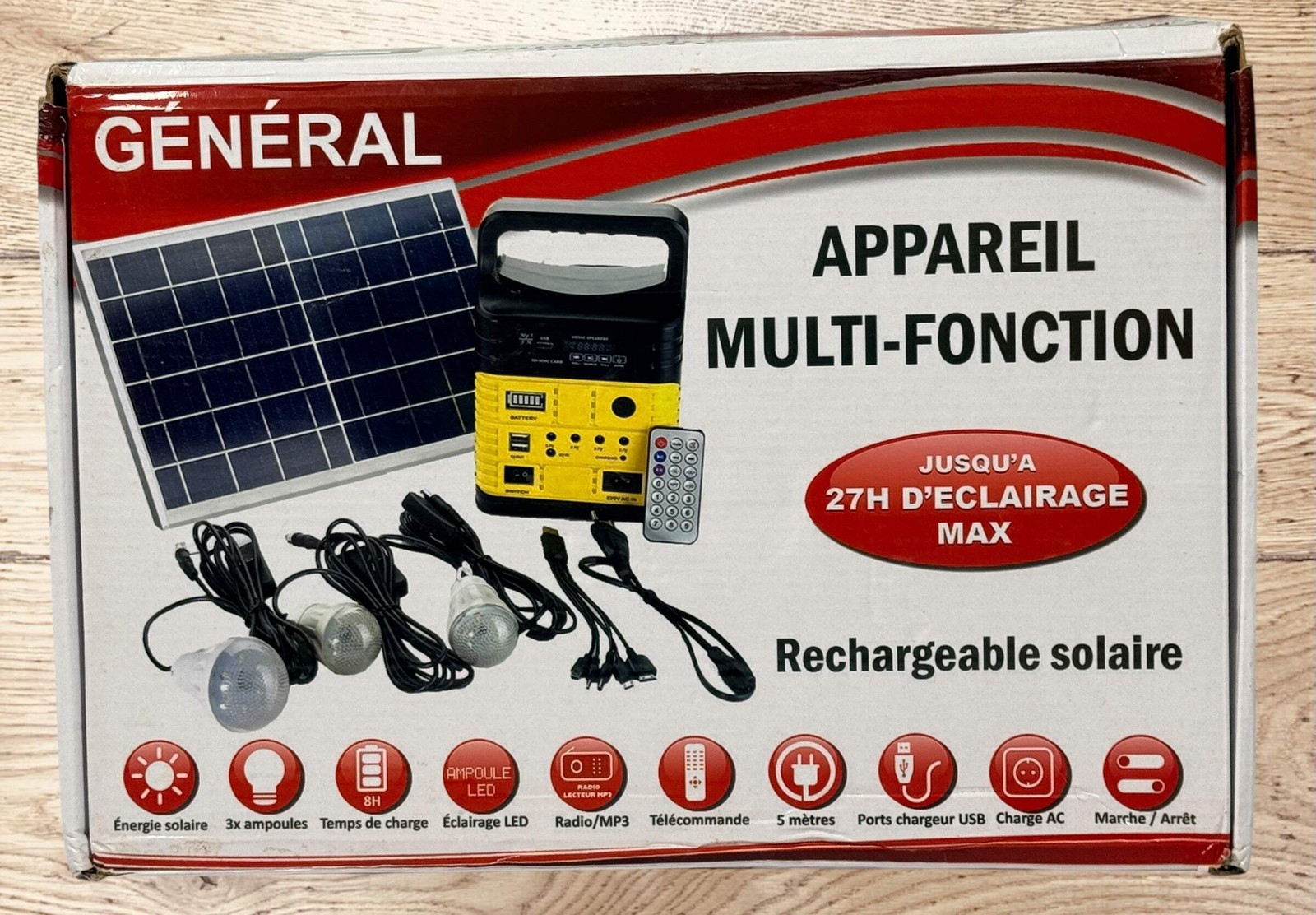
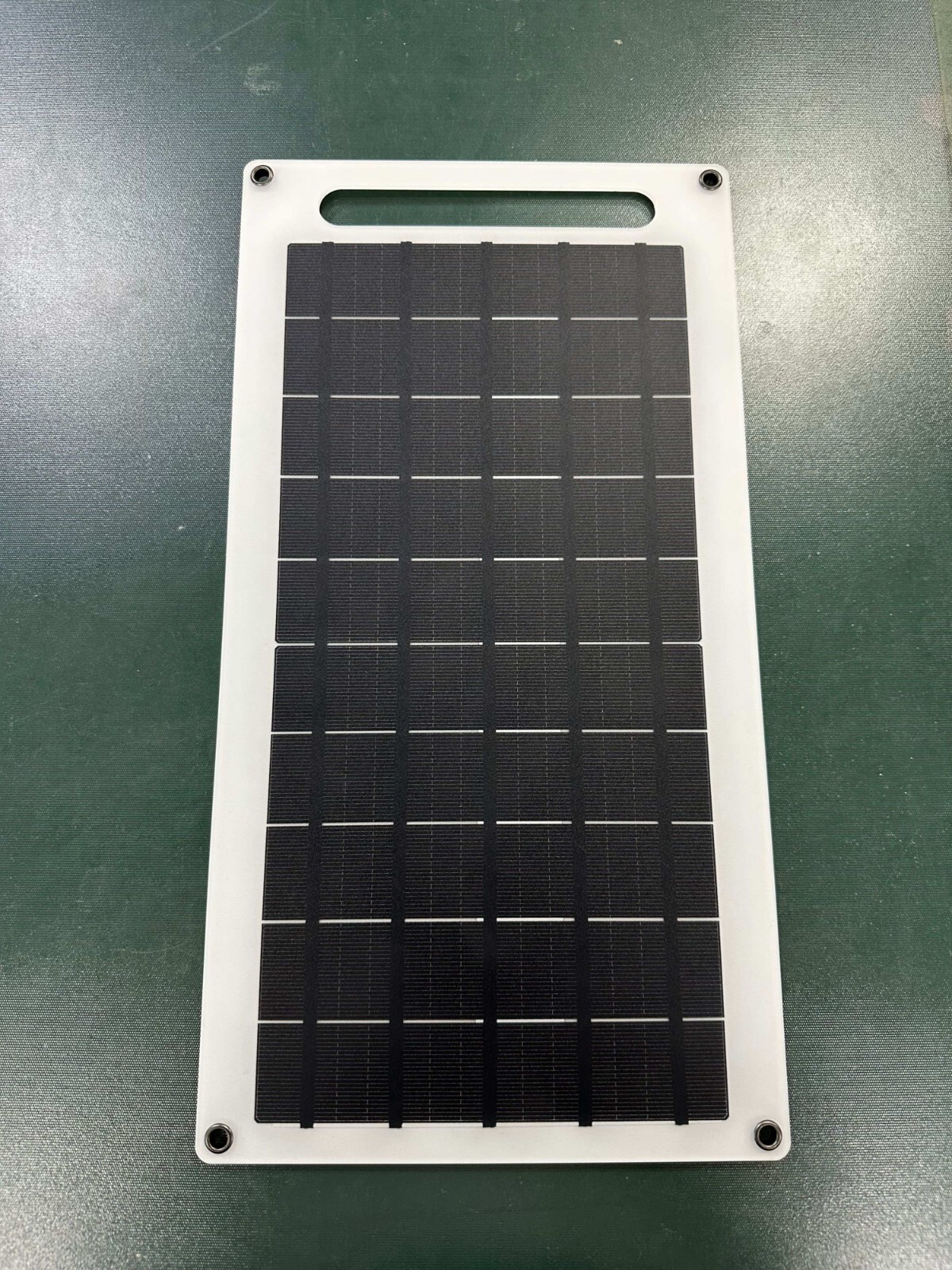
The lessons from the IRC Emergency Watchlist 2026 are clear: when systems fail, self-reliance becomes the ultimate currency. Securing your own household against unforeseen disruptions is a proactive step toward resilience that mirrors the very strategies humanitarian agencies are now adopting on the frontlines. Ensuring you have the tools to maintain communication, light, and power during a crisis is the most practical way to protect your family from the ripple effects of global instability.
We invite you to join the NewsBurrow community by sharing your thoughts on global preparedness in the comments below and subscribing to our newsletter for the latest crisis analysis. Below, we have curated a selection of essential tools designed to provide security and independence when the grid falters. Take a moment to explore these high-performance options and ensure you are ready for whatever the new global order may bring.
Shop Products On Amazon

Emergency Radio Solar Hand Crank - Real 12000mAh Battery, 8500mm² Solar Panel, Enhanced AM/FM/NOAA Signal, Hi-Fi Sound, 5W Flashlight & Reading Lamp for...
Features
| Brand | ROCAM |
| Colour | Green |
| Special feature | 12000mAh Rechargeable Battery, 120dB SOS Alarm, 8500mm² Solar Panel, Enhanced Reception, Hi-Fi Speaker |
| Product Dimensions | 17.3L x 7.4W x 12H Centimetres |
| Tuner technology | AM / FM / NOAA Weather Bands |
| Style | Rugged Outdoor |
| Power source | Rechargeable Battery, Solar Panel, Hand Crank, USB-C, AAA Battery |
| Radio bands supported | AM, FM, NOAA |
| Included components | Hand Strap, USB Cable, Buckle, Owner's Manual |
| Material | Aluminum |
- 【Real 12000mAh Battery】: Independently tested 12000mAh capacity (3X longer than average) powers 60+ hours of radio/light – verified by professionals for reliable blackout & camping use, ending "short battery life" frustration.
- 【Ultra-Fast Solar/Crank Charing-8500mm² Solar Panel + 650mA Crank】: 6X larger solar panel (vs. standard) charges 2X faster; high-torque hand crank generates 650mA output without extra effort, fast emergency charging for Real Emergencies, solving "slow charging" complaints.
- 【Enhanced anti-interference Signal & Crystal-Clear Reception】: High-sensitivity IC chip + precision antenna captures distant AM/FM/NOAA stations with zero static – hear every alert even in basements/mountains (based on 2M+ user signal tech).
- 【57mm Speaker + Rare-Earth Magnet = Hi-Fi Sound】: Loud and crisp, hear the difference. 120dB SOS alarm up to 250-300 meters. One-touch SOS or automatic alarm ensuring you to be found in time in critical moments.
- 【5W 80m Flashlight + Eye-Safe Reading Lamp】: Aluminum-reflector spotlight pierces 80m darkness; 12-LED reading lamp with frosted cover protects eyes. All-in-1 emergency kit for indoor and outdoor.
Shop Products on Ebay



Trending Similar Stories in the News
David Miliband announces launch of IRC Emergency Watchlist Africa 2026 International Rescue Committee...
‘New world disorder’: Sudan, Palestine top IRC’s 2026 Emergency Watchlist Al Jazeera...
Trending Videos of Irc Emergency Watchlist 2026



GIPHY App Key not set. Please check settings