

 David Goldberg
Table of Contents
NC economic drought
7 Ways NC Economic Drought Threatens Growth & Water Security
NC economic drought reveals a critical conflict between state prosperity and the existential threat of water scarcity.
The Illusion of Prosperity: North Carolina’s Fissured Economy
North Carolina is roaring with economic growth right now. Demographic shifts and industrial momentum are fueling a seemingly unstoppable trajectory for the state’s prosperity. Yet, beneath this glossy surface, a deeper, more volatile tension simmers—a silent struggle against the very environmental conditions that sustain it.
This upward trend masks profound internal conflicts regarding resource management and development priorities. The narrative of boundless expansion feels fragile when confronted by the stark reality of intensifying environmental stress across the Tar Heel State. We must look beyond quarterly reports to understand the true cost of this accelerated growth.
The current economic pulse is undeniable, driven by a dynamic industrial base that refuses to yield to stagnation. However, this vitality is inextricably linked to critical physical constraints. The speed of development often outpaces our capacity to absorb environmental shocks, creating a dangerous imbalance between ambition and reality.
Understanding the state’s true trajectory requires confronting the dissonance between growth metrics and ecological survival. The foundation upon which this prosperity is built is increasingly under siege by the very drought conditions it was meant to overcome.
The Silent Shift: Where Industry Finds Its New Frontier
The industrial engine of North Carolina is undergoing a dramatic metamorphosis. Manufacturing and traditional sectors are giving way to high-tech innovation, repositioning the state as a nexus for advanced technological jobs. This shift signals a fundamental re-evaluation of what it means to be economically powerful in the 21st century.
Technology is no longer an optional add-on; it is the central driver reshaping the state’s future workforce and investment strategy. Silicon and advanced manufacturing are pulling capital into areas that demand specialized skills, creating intense competition for talent.
This pivot creates a stark contrast between old industrial hubs and burgeoning tech corridors. The promise of high-paying jobs is tantalizing, but it demands an immediate reckoning with infrastructural and environmental sustainability concerns. Jobs in the digital space are soaring, yet water supplies remain dangerously contested resources.
The investment strategy must now prioritize resilience over sheer volume. The future success of the North Carolina economy will hinge not just on attracting new tech firms, but on mastering the complex interplay between industrial ambition and ecological limits.
Drought’s Grip: When Water Becomes the Ultimate Currency
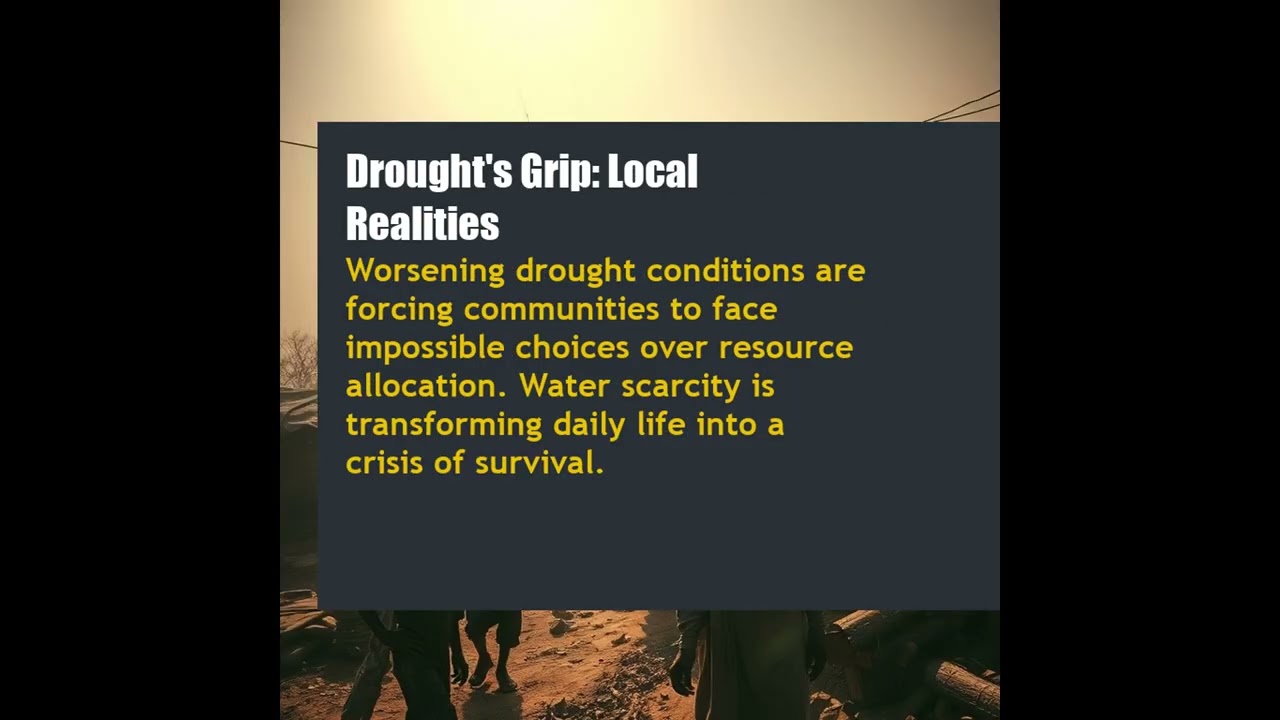
Worsening drought conditions are no longer distant threats; they are immediate, corrosive realities gripping every community across North Carolina. The scarcity of water is transforming daily life into a relentless exercise in triage and political maneuvering over dwindling supplies.
The environmental crisis is forcing an agonizing re-evaluation of resource allocation at the local level. Communities face impossible choices between sustaining population growth and ensuring basic human needs for potable water and agriculture. This is a crisis of existential scale, not merely a matter of inconvenience.
Data paints a bleak picture of regional disparity in this struggle. Areas facing the most acute shortages are experiencing social friction as communities fight over meager reserves. This scarcity introduces a new layer of tension into the existing economic narrative.
The severity of the drought forces a radical shift in public priorities, compelling leaders to address environmental security above short-term fiscal goals. Water is now the ultimate constraint dictating all future development and political action for the state.
Fractured Landscapes: Regional Recovery vs. Localized Desperation
Development is not occurring uniformly across the state; regional growth reflects a deeply uneven recovery following recent environmental upheaval. Some areas demonstrate resilience, while others are grappling with profound scarcity that threatens their viability entirely.
The story of economic recovery is sharply delineated by geography. Western North Carolina, for instance, shows positive projections fueled by adaptive strategies and strong local bonds, demonstrating a capacity to pivot effectively in the face of stress. This contrasts sharply with regions struggling under intense water scarcity.
The disparity between affluent, resource-rich zones and drought-stricken areas exposes deep systemic inequalities within the state’s development framework. Regional growth must be redefined to include ecological stability as the primary metric for success, not just GDP figures.
The path forward requires integrating regional recovery plans with immediate crisis response measures. True progress demands equitable water distribution and environmental stewardship across every county, bridging the gap between prosperity and peril.
The Political Crucible: Legislation Under Water Strain
State politics is currently locked in a fierce crucible defined by resource allocation and emergency management responses to the drought. Legislative focus has narrowed to immediate survival, pitting economic ambition against ecological necessity in high-stakes negotiations.
Key legislative battles revolve around water rights, infrastructure spending, and defining the state’s role in mitigating environmental catastrophe. Political maneuvers are no longer about broad policy; they are intensely localized struggles over who controls the finite resources remaining.
The recent budget deals and Senate races have illuminated a fundamental split: whether to prioritize rapid industrial expansion or slow down development to implement essential, long-term water conservation measures. These decisions carry immediate and devastating consequences for future generations.
The political landscape is demanding a pivot from growth-at-all-costs thinking to sustainability-first governance. The legacy of industry must now be reconciled with the urgent mandate to protect the water that defines North Carolina’s very existence.
The Weight of History: Industry, Scarcity, and Unresolved Conflicts
The industrial behemoths that once defined this region cast a long shadow over present-day conflicts. Past decisions regarding resource extraction and unchecked growth now collide violently with the immediate threat of water scarcity, creating an unresolvable tension.
The legacy of heavy industry sets a precedent where economic gain has historically superseded environmental health. This history complicates any narrative of future recovery, as current struggles are rooted in historical imbalances between corporate needs and community survival.
External pressures—be they climatic or geopolitical—exacerbate these internal conflicts, demonstrating that the fight for water and prosperity is not a new battle but an ancient, recurring one amplified by modern stress. The true challenge lies in healing this legacy through radical environmental accountability.



GIPHY App Key not set. Please check settings