

 Ryan Chen
Table of Contents
Texas Power Grid Winter Storm 2026
How the Texas Power Grid Finally Beat the Freeze: The 2026 Winter Success Story
Texas power grid winter storm 2026 performance proved that the state’s massive investment in battery storage and weatherization is finally paying off for millions of residents.
By Ryan Chen (@RChenNews)
The Ghost of February Past: Why 2026 Didn’t Break Texas
The memory of 2021 still lingers like a cold damp cloth over the heart of the Lone Star State. It was a time of darkness, burst pipes, and a profound sense of systemic betrayal. But as the mercury plummeted across the Panhandle and through the Hill Country this week, the expected dread was replaced by a startling, quiet efficiency.
The Texas power grid winter storm 2026 performance was not just a lucky break; it was a loud statement. While skeptics waited for the hum of the heater to die out, the lights stayed on, defying the “fragility” narrative that has haunted ERCOT for half a decade. This wasn’t the same grid that buckled under Uri; it was a hardened, tech-heavy beast that finally found its footing.
The “shock factor” here isn’t that it stayed on—it’s how effortlessly it did so. For the first time in years, the energy conversation in Texas isn’t about what went wrong, but about how much went remarkably right. We didn’t just survive the freeze; we dominated it through a mix of aggressive policy and a massive, silent army of batteries.
ERCOT’s Redemption: Behind the 2026 Demand Defense
ERCOT entered this winter with a chip on its shoulder and a massive data set to prove its readiness. Their ERCOT winter readiness 2026 assessments weren’t just PDF reports—they were battle plans. Grid operators managed record-breaking demand peaks that would have sent 2021-era planners into a tailspin, yet the frequency remained stable throughout the night.
The shift in “preparedness culture” within the control room in Taylor, Texas, is palpable. No longer are they relying on hope and forecasted averages; they are operating with a redundancy-first mindset. The sheer volume of generation capacity held in reserve acted as a safety net that was never truly strained, signaling a major turning point for state reliability.
Critics often point to “expected demand” as a moving target, but in 2026, the target was hit with precision. Officials prioritized transparency, holding briefings that focused on technical load-shedding prevention rather than political damage control. It was a masterclass in modern utility management that has silenced even the harshest legislative critics for the time being.
Winter 2026 Grid Performance Metrics
| Metric | 2021 (Storm Uri) | 2026 (Recent Event) |
|---|---|---|
| Unplanned Outages | 52,000+ MW | < 2,500 MW |
| Grid Frequency Stability | Near Collapse (59.3 Hz) | Stable (60.01 Hz) |
| Reserve Margin | Negative | +12,400 MW |
| Battery Contribution | Negligible | Significant Peak Support |
The Silicon Shield: How Battery Storage Saved the Night
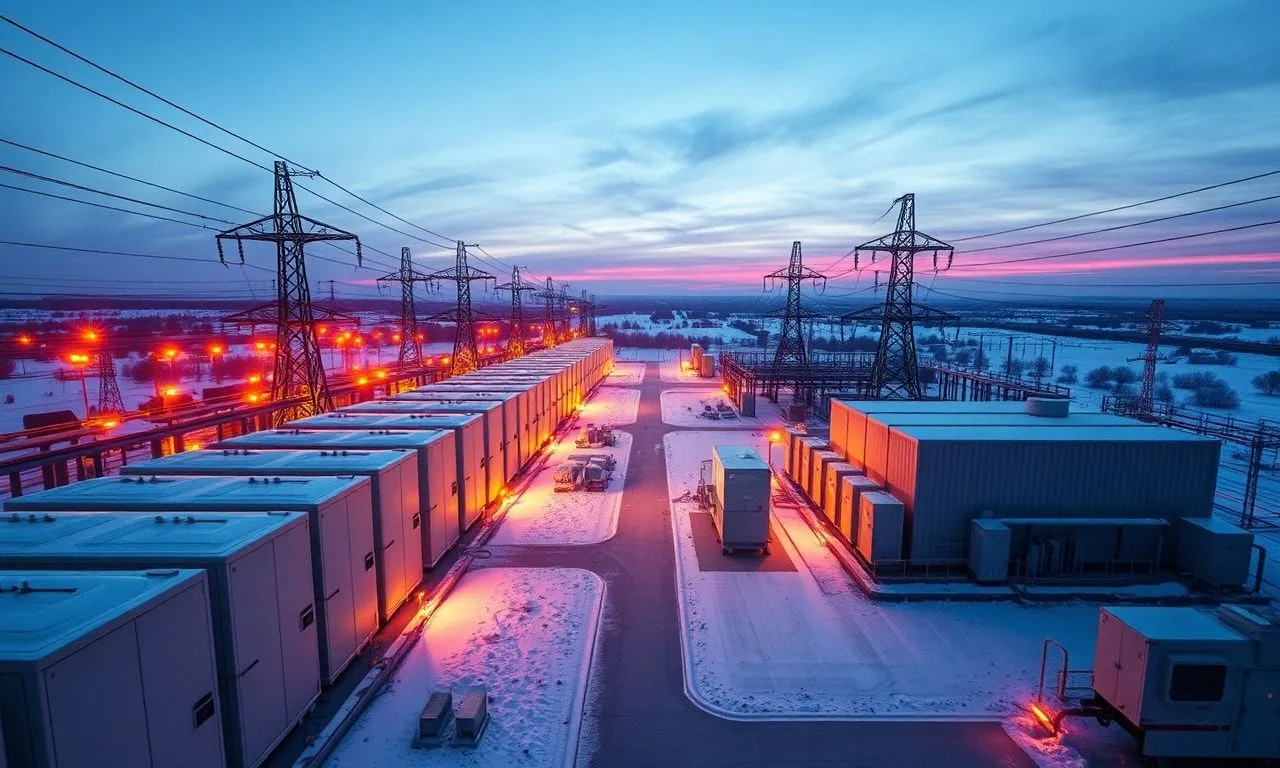
If you’re looking for the unsung hero of this success story, look at the giant white boxes sitting in fields outside of Dallas and Houston. Texas battery storage energy resilience has gone from an experimental niche to the grid’s primary shock absorber. When the sun went down and the wind fluctuated, these massive lithium-ion arrays discharged megawatts of power instantly, smoothing out the transition between energy sources.
This “Silicon Shield” provided the critical buffer needed when thermal plants faced minor deratings due to the extreme cold. Unlike gas plants that require time to ramp up, batteries respond in milliseconds. This rapid-response capability prevented the momentary frequency drops that often lead to cascading blackouts in isolated grids like Texas.
The sheer scale of this deployment is unprecedented. Texas has outpaced almost every other region in the world for storage growth, effectively creating a decentralized “virtual power plant.” It is a high-tech insurance policy that paid out in full this week, proving that the future of Texas energy isn’t just about making more power, but saving it for when the ice arrives.
Weatherization 2.0: The End of the Voluntary Era
Gone are the days when winterizing a power plant was a suggestion; today, it is a survival requirement backed by the heavy hand of the state. The Texas grid weatherization progress has seen over 2,500 inspections leading into 2026, with zero tolerance for exposed pipes or unheated control systems. This physical hardening is what allowed the “big iron” plants to keep spinning while the world outside froze.
The integration of heat tracing, specialized insulation, and enclosure systems has transformed the landscape of Texas generation. We saw plants that failed miserably in 2021 running at 100% capacity in 2026. This isn’t just a win for engineering; it’s a win for accountability, as the Public Utility Commission (PUC) has moved from auditor to enforcer.
This “Section 2.0” of weatherization also included the fuel supply chain. Natural gas compressors were finally prioritized as critical infrastructure, ensuring that the fuel actually made it to the burners. It was a holistic approach that recognized a power plant is only as strong as the frozen pipe half a mile away.
Comparing the Chills: 2021 Failures vs. 2026 Mastery
When we look at winterizing Texas power plants 2021 vs 2026, the differences are night and day. In 2021, the lack of mandatory standards led to a “race to the bottom” in costs; in 2026, the standard is the floor. The state has moved from a reactive posture to a proactive fortress, spending billions to ensure that cold weather is a nuisance, not a catastrophe.
The ASCII graph below visualizes the massive gap in forced outages between the two events:
Outage Capacity (MW)
^
50k| [2021] XXXXXXXX
40k| [2021] XXXXXXXX
30k| [2021] XXXXXXXX
20k| [2021] XXXXXXXX
10k| [2021] XXXXXXXX
0k| [2026] .+------------------->Day 1  Day 2  Day 3
(X = 2021 Outages, . = 2026 Stability)
This stark contrast underscores the effectiveness of the legislative mandates passed in the wake of tragedy. The “Texas Model” was once a punchline for energy experts; now, it’s becoming a case study in how to rapidly modernize a legacy system under extreme pressure.
Renewable Reinforcements: The Green Backup Plan
A surprising twist in the 2026 story was the robust contribution of wind and solar. While critics often claim renewables “disappear” during storms, the renewable energy battery backup Texas ecosystem proved otherwise. Wind speeds during cold fronts are often high, and modern turbines equipped with cold-weather packages continued to churn out clean energy throughout the night.
The synergy between wind and storage is the secret sauce. Excess wind power generated during the early hours of the storm was captured by the storage fleet and deployed during the breakfast peak. This didn’t just help the grid; it helped the environment, reducing the state’s reliance on high-emission “peaker” plants that are expensive to run.
This performance challenges the old-school thinking that only fossil fuels can save us in a freeze. By diversifying the generation mix and backing it with silicon storage, Texas has created a multi-layered defense system. If one gear slips, the others are already spinning to take the load.
The Cost of Certainty: Reliability vs. The Pocketbook
Is there a catch? Always. The bill for this 2026 success story is ultimately landing in the mailboxes of Texas residents. The massive investments in Texas battery storage energy resilience and weatherization are reflected in rising transmission and distribution fees. We are paying for peace of mind, and for many, the price is starting to sting.
However, the economic cost of a blackout is infinitely higher. The 2021 event cost the state hundreds of billions in damages and lost productivity. Compared to that, a few extra dollars a month seems like a bargain. The debate now shifts from “Will the lights stay on?” to “How do we make this reliability affordable?”
We are seeing a new form of “energy equity” emerging. While wealthier suburbs often have home generators or Tesla Powerwalls, the grid’s overall stability is the only thing protecting low-income communities from the life-threatening cold. The 2026 success is a victory for public safety, even if the price tag is a bitter pill to swallow.
A Blueprint for the Brave: The Future of Texas Energy
The 2026 winter storm will be remembered as the moment Texas stopped apologizing for its grid. We have moved beyond the “Uri Era” into a phase of technological dominance. The integration of massive storage, hardened thermal plants, and intelligent load management has created a blueprint that other states—and even other nations—are now studying.
But we cannot be complacent. The future of Texas energy depends on continuous iteration. Climate patterns are becoming more erratic, and today’s “record demand” will be tomorrow’s average. The 2026 win is a milestone, not a finish line. We must continue to build, continue to insulate, and continue to innovate.
As the final cold front of the season retreats, Texans can breathe a sigh of relief. The lights stayed on, the heaters hummed, and the grid stood tall. We didn’t just beat the freeze; we redefined what it means to be energy independent in the 21st century. The question is no longer “If” we can survive the winter, but “How much better” can we make the next one?
What do you think? Has the Texas grid finally earned your trust, or are you still keeping that backup generator ready? Join the conversation in the comments below and share your experience from this year’s freeze!
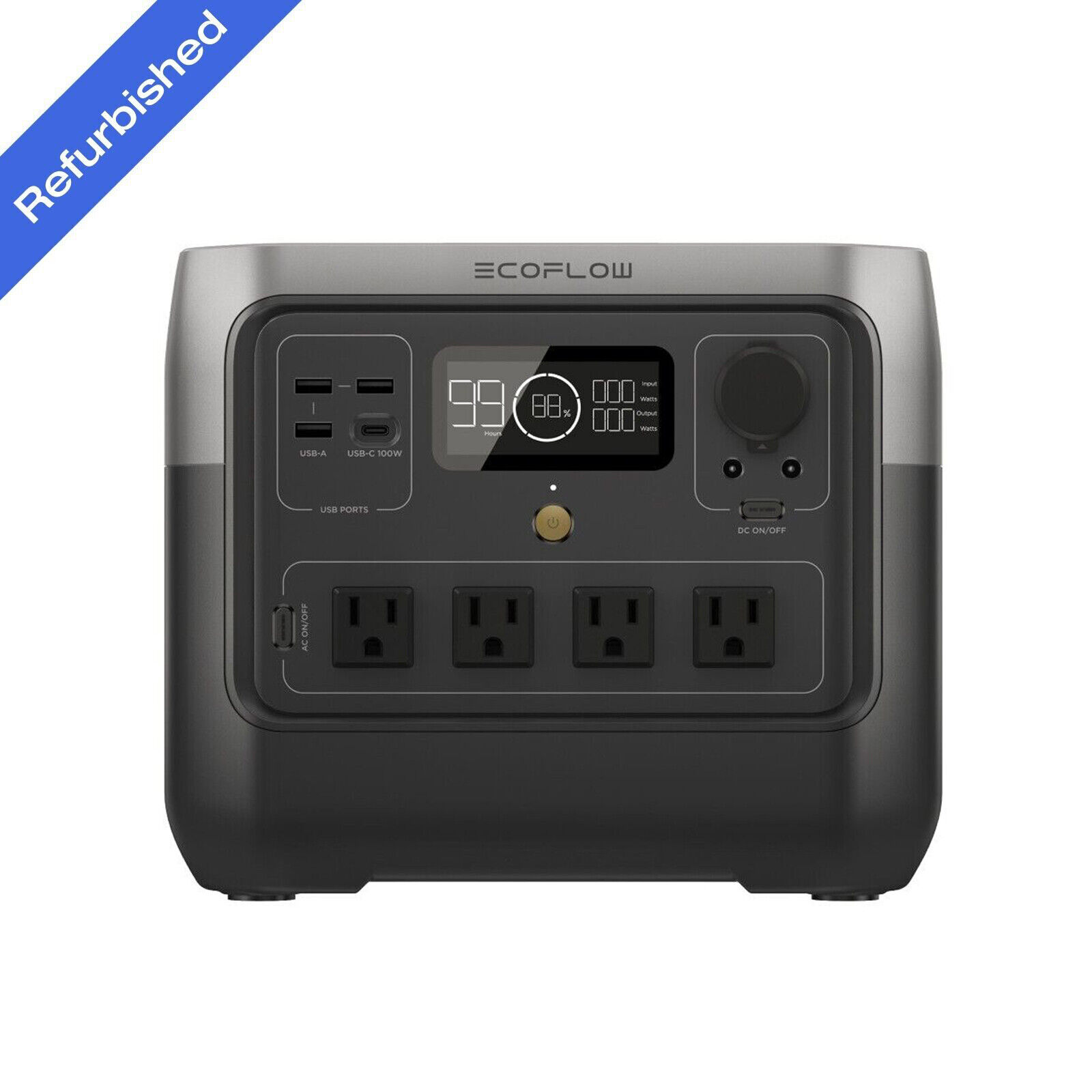
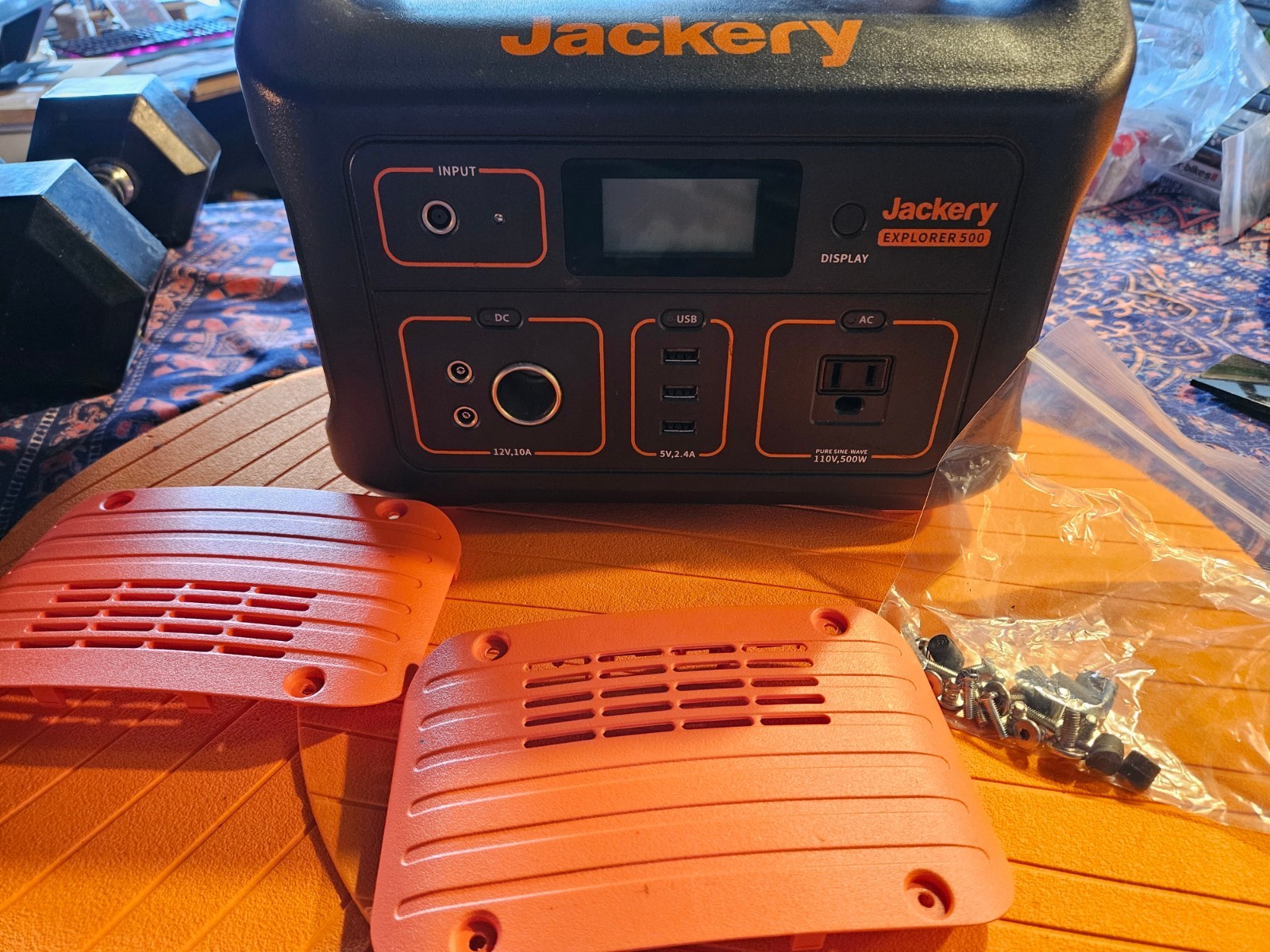
While the state’s massive investments in industrial-scale batteries and hardened infrastructure have turned the tide for the Texas power grid winter storm 2026 response, individual preparedness remains the final line of defense for every household. Systemic success at the ERCOT level is a triumph of engineering, yet local disruptions from ice-laden branches or neighborhood transformer failures can still leave a home in the dark. In these moments, having a personal layer of energy security is no longer a luxury but a fundamental necessity for modern Texas living.
The transition toward decentralized power isn’t just happening at the utility level; it is happening in our pantries and garages through advanced, compact energy technology. As we look at the “Future of Texas Energy,” the ability to keep your essential devices running, your medical equipment powered, and your communication lines open during a local outage is the ultimate peace of mind. Investing in a reliable backup solution ensures that even if the neighborhood grid takes a temporary hit, your family’s comfort remains uninterrupted.
We’ve curated a selection of top-tier energy solutions that align with this new era of resilience to help you stay ahead of the next cold front. We invite you to join the conversation in the comments below to share your own winter storm survival tips and subscribe to the NewsBurrow newsletter for the latest updates on grid technology and home safety. Explore our highly recommended options below to secure your own personal power reserve today.
Shop Products On Amazon
Shop Products on Ebay




Trending Similar Stories in the News
How solar and batteries help keep lights on during Texas winter storms Canary Media...
Texas grid weathers weekend storm thanks to new generation The Texas Tribune...
Trending Videos of Texas Power Grid Winter Storm 2026



GIPHY App Key not set. Please check settings