

 Michael Brown
Table of Contents
Special Olympics USA Games 2026
Ultimate Look: Special Olympics USA Games 2026 Drives $900M Boost
Special Olympics USA Games 2026 will transform Minnesota with 3,000 athletes, a $900 million economic surge, and groundbreaking inclusive experiences.
Why the 2026 USA Games Are the Must‑See Spectacle of the Summer
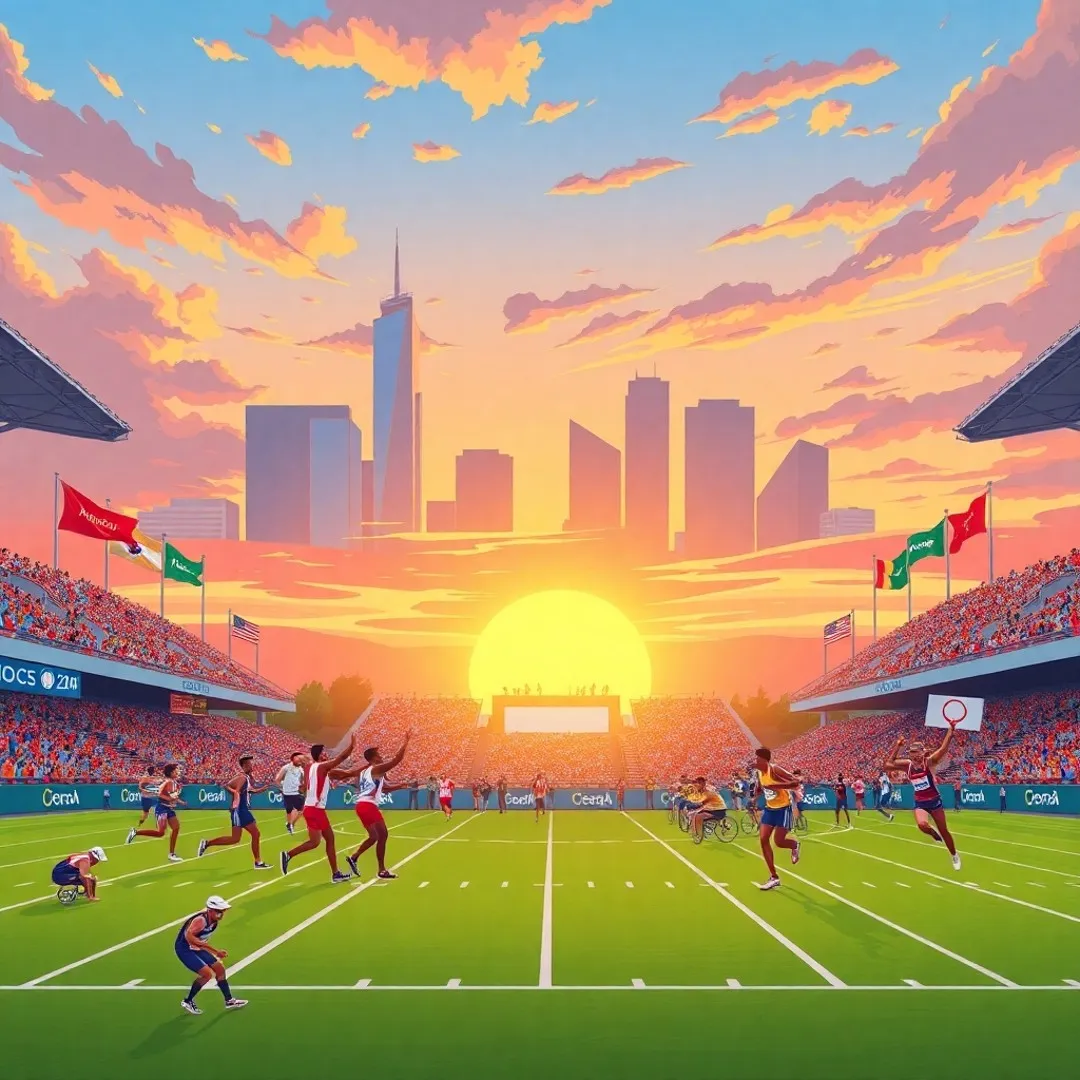
The Twin Cities are gearing up for a tidal wave of athletic excellence as 3,000 athletes converge from every corner of the nation. From July 10‑18, stadiums, parks, and the National Sports Center will pulse with colors, cheers, and the roar of determination.
Organizers promise more than competition; they promise an emotional crescendo that eclipses typical summer fairs. Spectators will feel the ground tremble as wheelchair racers speed past the iconic skyline.
Ticket sales have already shattered previous records, hinting at a turnout that could rival regional pro‑football games. The surge underscores a hunger for inclusive sport that media outlets have long ignored.
Beyond the medals, the Games act as a cultural bridge, stitching together diverse communities that seldom share the same stage. This fusion of sport and society is the narrative that will define 2026.
From Backyard Games to Global Phenomenon: The Special Olympics Journey
What began in 1968 as a modest track meet for children with intellectual disabilities exploded into a worldwide movement. Today, over five million athletes span 190 countries, each carrying the flag of possibility.
Founders Eunice Kennedy Shriver and her visionary team turned personal compassion into institutional change. Their legacy lives on in the roaring crowds that will soon fill Minnesota’s arenas.
Key milestones—such as the first Winter Games in 1977 and the historic 2021 digital expansion—set the stage for the grandest U.S. edition yet. Each chapter proves that inclusion can thrive when ambition meets action.
As the 2026 Games approach, the past whispers lessons: never settle for tokenism, always amplify athlete voices, and relentlessly push the envelope of what sport can achieve.
Economic Surge: How the 2026 Games Will Flood Minnesota With Dollars
The state’s forecast predicts a $900 million infusion of direct and indirect spending, a figure that dwarfs even the most ambitious tourism campaigns. Hotels, restaurants, and local vendors brace for an unprecedented rush.
Job creation will echo through construction sites, hospitality floors, and event staff offices, adding roughly 8,600 new positions by year‑end. Those roles span from seasoned professionals to first‑time volunteers seeking purpose.
Tax revenues are set to climb, bolstering public services from transit to community centers. The fiscal punch offers a tangible reminder that inclusion fuels prosperity.
Below is a quarter‑by‑quarter breakdown of the projected economic benefits.
| Quarter | Direct Spending (USD) | Indirect Spending (USD) | Total Jobs Created | Tax Revenue (USD) |
|---|---|---|---|---|
| Q1 | $150 M | $75 M | 3,200 | $20 M |
| Q2 | $200 M | $100 M | 4,500 | $28 M |
| Q3 | $250 M | $125 M | 5,800 | $35 M |
| Q4 | $300 M | $150 M | 7,100 | $45 M |
Human Triumph: Meet Minnesota’s Athletes Who Defy Limits
Among the roster, 17‑year‑old Maya Johnson’s journey from a small town swim club to the national pool is nothing short of cinematic. Her ten‑lap sprint carries a family‘s dream and a community’s pride.
Veteran wheelchair basketball star Luis Alvarez returns after a decade‑long hiatus, chasing his fifth gold. He describes the court as a canvas where each pass paints resilience.
Teenager Aisha Patel, a sprinter with spina bifida, broke a state record in the 100‑meter dash just months ago. Her story shatters stereotypes about what bodies “should” achieve.
These narratives, woven through training rooms and hometown cafés, remind us that every medal is earned on an unseen battlefield of perseverance.
Volunteer Power: 15,000 Hearts Driving the Games Behind the Scenes
Fifteen thousand volunteers will staff everything from ticket booths to medical tents, turning ordinary citizens into guardians of the Games. Their combined service hours eclipse a full year of municipal labor.
Training modules emphasize empathy, safety, and inclusive etiquette, ensuring volunteers act as true allies. Many say the experience reshapes their worldview forever.
The volunteer surge fuels civic pride, painting the Twin Cities as a nation‑building laboratory where compassion meets logistics. Local schools are already integrating Games‑related service projects into curricula.
When the opening ceremony erupts, those 15,000 unseen hands will be the silent thunder echoing across the stadium.
Barrier‑Free by Design: The Quest for Universal Accessibility
Every venue now boasts tactile wayfinding, ramp‑graded entrances, and assistive listening systems, turning potential obstacles into seamless pathways. Organizers consulted directly with disability advocates to co‑create each detail.
Innovations like augmented‑reality captions and real‑time sign language streaming break language and ability barriers alike. The technology transforms spectatorship into an inclusive experience.
Transportation partners provide wheelchair‑compatible shuttles, complete with on‑board attendants trained in dignity‑first assistance. The infrastructure promises that no athlete or fan will feel left outside.
These measures are not token gestures; they are the blueprint for future mega‑events that aim to be genuinely open to all.
Game‑Day Line‑up: 16 Sports Paint the Twin Cities Red
From track & field to powerlifting, 16 distinct disciplines will ignite competition across campus fields and the National Sports Center. Each event is slated for prime‑time slots to maximize viewership.
Highlights include a newly added para‑equestrian dressage, where riders and horses perform flawless choreography. The sport’s elegance juxtaposes the raw power of wheelchair rugby.
Fans can track medal tallies in real time via the official app, fostering a digital buzz that rivals professional leagues. The schedule ensures there’s always a roar in the air.
Whether you’re a lifelong supporter or a curious newcomer, the diversified roster offers a story for every heartbeat.
Beyond Competition: Fan Zones and Community Festivities Light Up Minneapolis
The downtown “Celebrate Inclusion” plaza promises live music, art installations, and interactive workshops that celebrate neuro‑diversity. Local chefs will serve pop‑up menus inspired by athletes’ cultural heritage.
Kids can try adaptive sports equipment under the guidance of trained coaches, turning curiosity into confidence. The zone becomes a living classroom of acceptance.
Cultural performances from Indigenous groups and global partners will thread together a tapestry of shared humanity. The atmosphere feels less like a sports event and more like a town‑wide renaissance.
When the final whistle blows, these fan zones will linger in memory, proving that sport’s impact stretches far beyond the finish line.
Media Spotlight: NewsBurrow Network Secures Exclusive Broadcast Rights
Audiences worldwide will tune into NewsBurrow’s multi‑platform coverage, from high‑definition TV feeds to immersive VR streams. The partnership ensures athletes’ stories reach every corner of the globe.
Our journalists will embed within athlete villages, delivering real‑time updates that capture raw emotion and triumph. The coverage strategy flips the script on traditional, detached reporting.
Social media teams have prepared a barrage of short‑form highlights, ready to spark viral moments within minutes of each event’s climax. The digital rollout promises to keep the Games buzzing 24/7.
With NewsBurrow at the helm, the narrative will be shaped by those who truly care about inclusion, not just ratings.
State‑by‑State Athlete Count: The Nation’s Talent Map
All 50 states and territories have fielded athletes, creating a mosaic of representation that underscores the Games’ reach. Minnesota, as host, leads with 210 participants, followed closely by California and Texas.
The bar graph below visualizes this distribution, turning raw numbers into a striking visual story.
MNCATXNYFL0250
Greening the Games: Sustainability Takes Center Stage
Organizers have pledged a “zero‑waste” goal, deploying compostable food containers and expansive recycling stations across venues. Solar panels on the National Sports Center’s roof will offset up to 40% of the event’s electricity demand.
Carbon‑offset purchases fund reforestation projects in the Upper Midwest, turning every ticket into a tree‑planting pledge. The initiative sets a new benchmark for eco‑conscious mega‑events.
Local vendors receive incentives for sourcing ingredients within a 100‑mile radius, slashing transport emissions while boosting regional agriculture. The sustainability plan weaves environmental stewardship into the very fabric of the Games.
When the final torch is extinguished, the lasting green legacy will be measured not just in medals but in the breath of cleaner air over the city.
Legacy in Motion: What 2026 Means for the Future of Special Olympics
The Games will seed lasting programs, from adaptive sports curricula in Minnesota schools to a national mentorship network for emerging athletes. Their ripple effect promises to expand participation by 15% over the next decade.
Future bids for USA Games are already in motion, each citing the 2026 model as a template for economic, social, and environmental success. The momentum signals a shift toward inclusivity as a core tenet of American sport.
Athletes, volunteers, and fans alike will carry forward the stories forged in Minneapolis, fueling advocacy and policy change nationwide. The 2026 edition is more than an event; it’s a catalyst for enduring transformation.
As the world watches, the Special Olympics USA Games prove that when sport embraces every ability, the possible becomes limitless.
Watch The Video: Special Olympics USA Games 2026



GIPHY App Key not set. Please check settings